


Study identifies molecular pathway that may restore bone strength
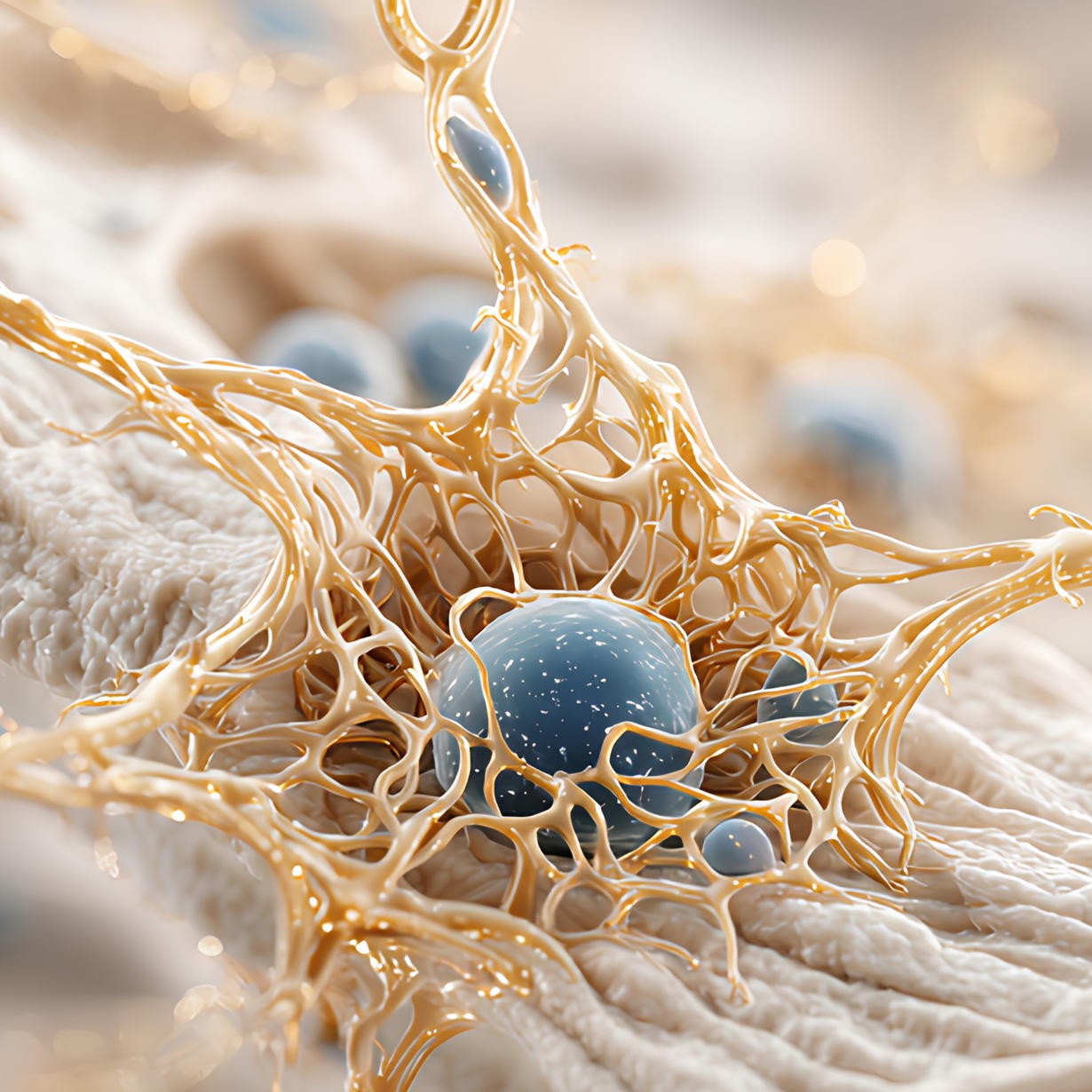
It’s well known that prolonged bed rest, inactivity, or exposure to anti-gravity leads to bone loss; however, scientists in the Yang Lab at Harvard School of Dental Medicine (HSDM) wanted to learn more about the mechanism behind it. They studied the sprawling network of sensor cells that constantly detect physical forces and help keep the skeleton strong. Their new study published in Nature Communications uncovers how that sensing system develops, and reveals a surprising molecular pathway that may someday help treat bone loss caused by aging, disuse, or even spaceflight.
The research centers on osteocytes, long-lived cells embedded deep within bone. Equipped with thin, branching projections similar to cellular antennae, these osteocytes detect stress and strain as we walk, run, or lift, then tell other bone cells when to reinforce or remodel skeletal tissue. Maintaining those antennae is essential for bone health, but until now scientists haven’t fully understood how they form or are maintained.
“The most surprising finding is that mechanical stimulation of the early osteocyte progenitors is required for them to mature and form the structures that allow them to better sense and respond to mechanical forces. This is a previously unknown feed-forward mechanism,” said Dr. Yingzi Yang, professor of Developmental Biology at HSDM and co-author of the study.
Yang and her team identified a key player: a mechanosensitive ion channel called Piezo1. When activated by physical forces, Piezo1 launches a biochemical chain reaction that ultimately allows osteocytes to grow and maintain their intricate dendritic network. When researchers genetically deleted Piezo1 in mice, the osteocyte branches failed to fully develop—and the animals showed weakened, poorly structured bones.
Digging deeper, the team found that Piezo1 activates YAP, a gene regulator that turns on signals promoting dendrite formation. Among those downstream signals are two secreted proteins, CCN1 and CCN2, which act like molecular messengers. They bind to receptors on nearby cells, activating an intracellular signaling pathway to reinforce a feedback loop that helps osteocytes extend their projections and connect to one another.
In an unexpected finding, the researchers discovered that delivering CCN1 and CCN2 from outside the bone could partially repair the defects caused by Piezo1 loss. By engineering the liver to produce extra CCN proteins, allowing them to circulate through the bloodstream, the team restored much of the lost dendrite network and improved bone quality in mice lacking Piezo1.
“The secreted factors (CCN1 and CCN2) we identified can be tested as potential therapeutic agents to improve bone health by reducing bone loss and increasing bone gain,” said Yang.
This development could lead to future therapies that strengthen bone not by directly applying mechanical load, but by mimicking the internal molecular signals normally triggered by movement and physical exercise. This could benefit a wide range of individuals, from older adults with osteoporosis to patients immobilized after injury, or astronauts experiencing bone loss during space missions.
Source: https://www.hsdm.harvard.edu/
 Related articles
News 11 June 2026
New research suggests a common facial treatment given before jaw surgery could ease postsurgical discomfort and lessen the need for opioids during recovery.

New partnership will expand clinician access to practical AI education designed to help practices improve care delivery, patient communication, operational efficiency, and financia
News 30 April 2026

HuFriedyGroup, a global leader in dental instrument manufacturing, infection prevention, and education solutions, is proud to announce a new strategic partnership with Seattle Stud
News 28 April 2026
Study enrollment completion marks critical milestone in advancing bone regeneration for dental reconstruction using Theradaptive’s targeted therapeutic platform
Read more
Products 20 October 2026

News 20 October 2026

In recognition of National Dental Hygiene Month, Delta Dental highlights key findings from its 2026 State of America’s Oral Health and Wellness Report , a nationwide analysis of co
News 20 October 2026

Abra Health Group has launched The Dental Bank, a new community impact initiative designed to make essential oral health resources more accessible to individuals and families throu
Editorials 20 October 2026
Woman’s skull likely proof of ancient nose amputation, says College of Dentistry professor
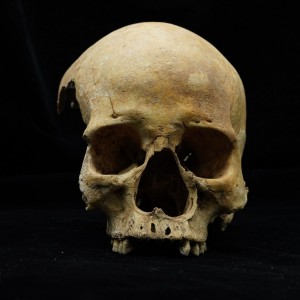
Qian Wang, professor in biomedical sciences at Texas A&M College of Dentistry in Dallas, identified what he and other researchers believe is likely one of the first examples of an
Endodontics 20 October 2026
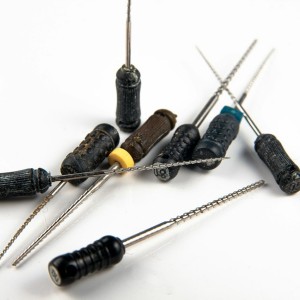
This peer-reviewed endodontics article summarizes clinical evidence from Clinical oral investigations (2026). It focuses on findings that may help dental professionals evaluate treatment decisions,...



Copyright © 2026 - All Rights Reserved
ISSN 2767-1178