


AI, Dentistry, and Ethics: Prioritizing Transparency and Equitable Access

Artificial Intelligence (AI) and machine learning tools have begun changing the course of dental medicine, helping providers identify patients at heightened risk of oral disease, diagnose and treat oral health problems sooner, and virtually expand their reach to patients living in dental deserts or facing other dental access challenges. Many researchers, developers, and oral health care providers are optimistic that AI-backed tools will ultimately make dental medicine more equitable and accessible for patients.
Yet they also acknowledge issues of fairness and bias—which have broadly plagued AI and machine learning models developed for a variety of applications— need to be addressed before AI can truly benefit dentistry. (ChatGPT, for example, often gives different answers to similar queries based on the assumed or learned gender, race, and socioeconomic profile of its users.)
“The first rule is to do no harm,” said Hawazin Elani, MMSc15, assistant professor of Oral Health Policy and Epidemiology at Harvard School of Dental Medicine (HSDM), speaking to attendees at HSDM’s Global Symposium on AI in Dentistry. “If we as a profession don’t consider algorithmic bias and fairness, we will cause unintentional harm.”
The problem of algorithmic fairness in AI systems
At Harvard, Elani and collaborators are studying methods to improve algorithmic fairness and transparency of machine learning and AI for oral health applications. By reviewing existing literature, Elani has discovered hundreds of studies on the intersection of AI and dentistry, but the majority of peer-reviewed papers focus on predictive algorithms related to periodontal disease, treatment, and prevention. Only two papers have looked at issues of fairness and disparities in oral healthcare. And she’s found evidence that some AI tools provide more accurate diagnoses for white patients than non-white.
“The logical progression of our field is that most of these prediction algorithms will be deployed and implemented [into practice],” Elani said. Her fear is that algorithms will be put into practice before enough work has been done to combat algorithmic bias.
“AI systems can have a biased medical point of view,” said Fernanda Viégas of Harvard and Google, a keynote speaker at the symposium. “And that may be okay, because doctors know other doctors can have biases, too…. Everything doesn’t have to be perfect, but it does have to be transparent.”
Viégas said many AI systems today don’t specifically disclose their origins in terms of what data they’ve been fed and which people helped label the contents of those datasets to establish algorithmic “ground truths.”
AI-assisted diagnostic systems, however, do have a potential advantage as a second or third opinion when compared to human healthcare providers. “Deep learning systems [don’t have to be] black boxes—unlike [human] brains, we can open them up. I can peek inside, do interventions, and understand what’s happening inside,” Viégas said.
The U.S. Food and Drug Administration (FDA) is still catching up with the pace of technology, and currently lacks strict guidelines for how closely AI predictions should match real-world data. “There’s not much consistency in how the ‘ground truth’ [of dental AI] is being done,” said Adam Foresman, MSc, MBA, director of quality and regulatory affairs at VideaHealth, a dental imaging startup launched from AI research conducted at Harvard and MIT.
Foresman urged dental care providers to get “under the hood” and look at what drives decision making in AI tools before implementing them into clinical practice, imploring that they seek out tools trained on methodically collected—rather than “cherry-picked”—data.
Extending oral healthcare’s reach through AI, VR, and more
The symposium also explored how AI and other new technologies can make dentistry more accessible to patients near and far, and even mobilize dental expertise to reach remote geographic areas.
Kim Harding, founder and president of Monarch Innovation Partners, said an open data and open science approach is critical to ensure transparency and fairness, but so is empowering patients to have direct access and equitable control over their own oral health data. She and her team, motivated to address racial health disparities facing Black women and other minority groups in the U.S., are developing a smartphone app to put AI-driven healthcare into patients’ hands.
“Our goal is to create a conceptual platform [to integrate] medical and dental information, empowering the patient with unbiased, actionable AI insights,” Harding said at HSDM’s symposium. She is especially interested in how AI tools could start to bridge the gap between dental and medical data, educating patients on how their oral health impacts their cardiovascular system, risk for depression, and more.
Experts at the symposium said that other populations of underserved patients, including those that live in areas without nearby dental clinics or in areas impacted by natural disasters, could also benefit from new AI-backed tools, especially in combination with virtual reality (VR) or other remote-access technologies.
Within so-called dental deserts, where dental access is scarce, “how can AI serve as an oasis?” asked Cindy Roark, SM15, a dentist and chief clinical officer at Sage Dental. During a symposium workshop dedicated to the intersection of AI and VR, she described how many rural communities in Florida—where Roark practices—have struggled to recruit dental specialists like endodontists, who treat the nerves and blood vessels within teeth.
With the assistance of VR and AI imaging screening, however, Roark is hopeful that specialists based in major hubs will soon be available to consult with and diagnose patients in remote areas. “I can bring on a VR consultant to solve an amazing problem,” she said.
Author: Kat J. McAlpine
Source: https://hsdm.harvard.edu/
 Related articles
News 21 October 2026

(Nasdaq: HSIC) announced today that Emmanuel Caprais, former Senior Vice President and Chief Financial Officer of ITT, Inc.
News 07 October 2026

Smile Train invites New York City to share moments of joy and raise awareness for people affected by cleft at Grand Central Terminal.
News 06 October 2026
America’s ToothFairy Launches 2026 My Smile Matters Campaign
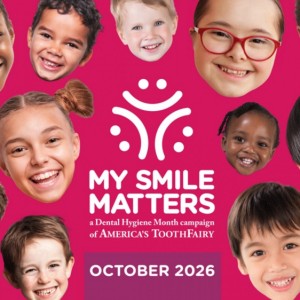
Dental Hygiene Month campaign invites dental professionals and community advocates to celebrate dental hygienists, recognize outstanding service, and help children build healthier
News 01 October 2026
Henry Schein to Present at Baird Global Healthcare Conference

Henry Schein, Inc., the world’s largest provider of healthcare solutions to office-based dental and medical practitioners, announced today that the Company will present at the foll
News 29 September 2026
Eterna Regeneratives Raises Funding for Tooth Enamel Regeneration
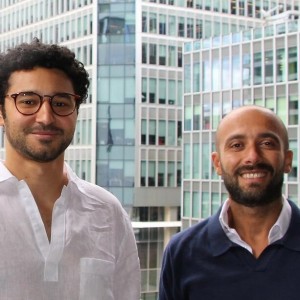
UK startup Eterna Regeneratives has closed a seed investment round led by Hoxton Ventures and The Venture Collective (TVC) to build its regenerative biomaterial platform spanning e
Read more
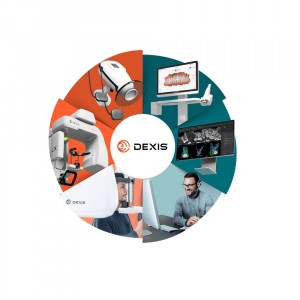
Continuous innovation across the DEXIS ecosystem helps clinicians work with greater clarity, confidence, and efficiency
News 23 October 2026

CrownPoint Partners announced the successful closing of a $9.2 million, five-property dental sale-leaseback portfolio located throughout Michigan.
News 23 October 2026
Dentsply Sirona, Midwest Dental Expand Technology Relationship
Beginning November 1, Dentsply Sirona will expand its long-standing relationship with Midwest Dental Equipment & Supply beyond consumables to include its complete technology portfo
Editorials 23 October 2026
Honoring Excellence: Graduation Awards for CU Anschutz Dental Students and Faculty

As the University of Colorado Anschutz School of Dental Medicine celebrates the graduating DDS Class of 2025, we are proud to recognize the students and faculty members whose excep
Implantology 23 October 2026
This peer-reviewed implantology article summarizes clinical evidence from Clinical oral implants research (2026). It focuses on findings that may help dental professionals evaluate treatment...


Copyright © 2026 - All Rights Reserved
ISSN 2767-1178