


What are the real applications of blockchain?
Luigi Campopiano
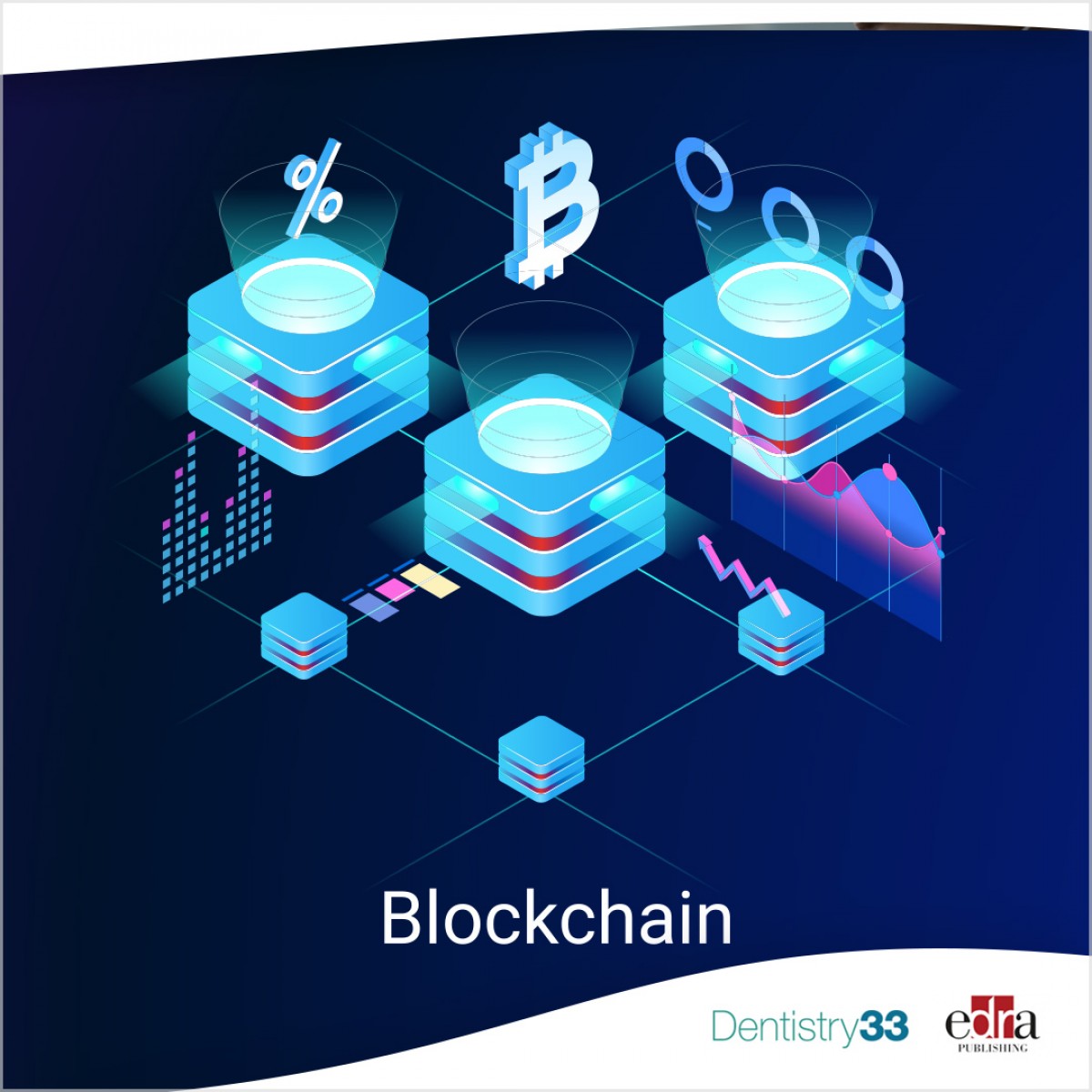
The technology behind the blockchain is appealing. It exploits the characteristics of a computer network of nodes to manage a ledger that collects data without requiring a central control or verification.
Everyone can access the registry, but each node on the network has its own version of the registry. The network of nodes exchanges information, writing or transferring it to the ledger. Through sophisticated mechanisms, the nodes take note of the last version of the register, tracking all transactions and exchanges of information that take place.
The primary areas of practical application of the blockchain include:
- The use of the immutability of the register to record some characteristics on the blockchain of data or documents and make them accessible and verifiable by other actors in the ecosystem or third-party actors.
- Smart contracts, a set of computer instructions that allow you to conduct activities automatically. This existed well before the blockchain but has been strengthened by it.
- Tokens, digital assets that travel on blockchain and allow the exchange of information among all the actors of the overall network.
- Cryptocurrencies, tokens but with a monetary value.
Internationally there are thousands of applications for the technology that can be divided into three groups:
- Internet of value, related to the exchange of cryptocurrencies, stablecoins or central bank digital currency.
- Blockchain for business, which uses a distributed ledger to provide certifications, registration of data or to write small smart contracts that can be visible to all.
- Decentralized web, which will lead to the so-called Web3, the new paradigm of the web in which the distributed ledger is the basis of information management.
Investors in these technologies are primarily in the banking and financial sector and traditionally, the world of logistics and agrifood. According to recent surveys, the early years of the COVID-19 pandemic slowed down more innovative investments for some companies. There is still a lot to explore on that front.
Among the main blockchain platforms are Bitcoin, Algorand, Ethereum, Cardano, Eos, Cryptobase, Zcash and Monero. We are starting to see a wider diffusion of cryptocurrencies: about 12% of Italians claim to own or have owned cryptocurrencies and 17% to want to possess it soon.
In the U.S., the Motley Fool reported in 2022 that 56% of American adults, or 145 million people, say they own or have previously owned cryptocurrency. Some 74% or 107 million Americans, invested in crypto for the first time in the last two years.
In addition, 41% of Americans who have never owned crypto or about 46.5 million Americans said they were likely to buy crypto in the next year.
Blockchain could change the way we make payments or manage digital assets. The potential is manifold and, since the technology is a little more behind the scenes, we may not see the repercussions directly. But it will potentially affect our daily lives.
 Related articles

The trend of increasing integration and hybridization between public and private markets will continue at an incessant pace.

The trend of the future that no one will be able to do without could have arrived, and the protagonist could be the metaverse. This is a term used to indicate parallel and completely virtual...
News 20 August 2025

Trust AI, the “ChatGPT” for dentists, has raised $6 million—the largest seed round ever for a dental technology startup. The emerging platform has attracted over 3,000 dentists in just weeks.
Products 26 February 2025
Millennium Dental Technologies Secures New U.S. Patent for Laser Periodontal Treatment

Millennium Dental Technologies, Inc. announced today that it has been awarded a new U.S. Patent (#12,011,326) for laser-assisted periodontal procedures associated with its LANAP protocol using the...
Editorials 23 January 2025
Mapping dental deserts in the U.S.: New HSDM research reveals widespread lack of access to care

Imagine having to travel for hours to receive routine oral health care, such as a dental cleaning, or waiting in agony for days to get treatment for a painful toothache.
Read more
Products 14 October 2026
Royal Philips (NYSE: PHG, AEX: PHIA) announced that the Philips Sonicare Next-Generation DiamondClean 9900 Prestige, its most advanced and intelligent toothbrush to date, is now av
Key transaction by Heartland Dental and its supported practices expands opportunities for supported doctors, teams, and practices while strengthening Heartland Dental’s supported f
News 14 October 2026
Henry Schein Cares Celebrates 25 Years of Corporate Citizenship

Henry Schein Cares, Henry Schein, Inc.’s global corporate citizenship program, is celebrating a quarter century of bringing together Team Schein Members, customers, supplier partne
Editorials 14 October 2026

Scholarship at the CU Anschutz School of Dental Medicine reflects the collective contributions of our faculty, staff, residents and students.
Oral Hygiene & Prevention 14 October 2026
Propolis-containing formulations in caries prevention - a systematic review and meta-analysis.
This peer-reviewed oral hygiene & prevention article summarizes clinical evidence from Clinical oral investigations (2026). It focuses on findings that may help dental professionals evaluate...



Copyright © 2026 - All Rights Reserved
ISSN 2767-1178