


Dentistry: the value proposition
By Dr. Lindsey Robinson, associate editor, Journal of the California Dental Association
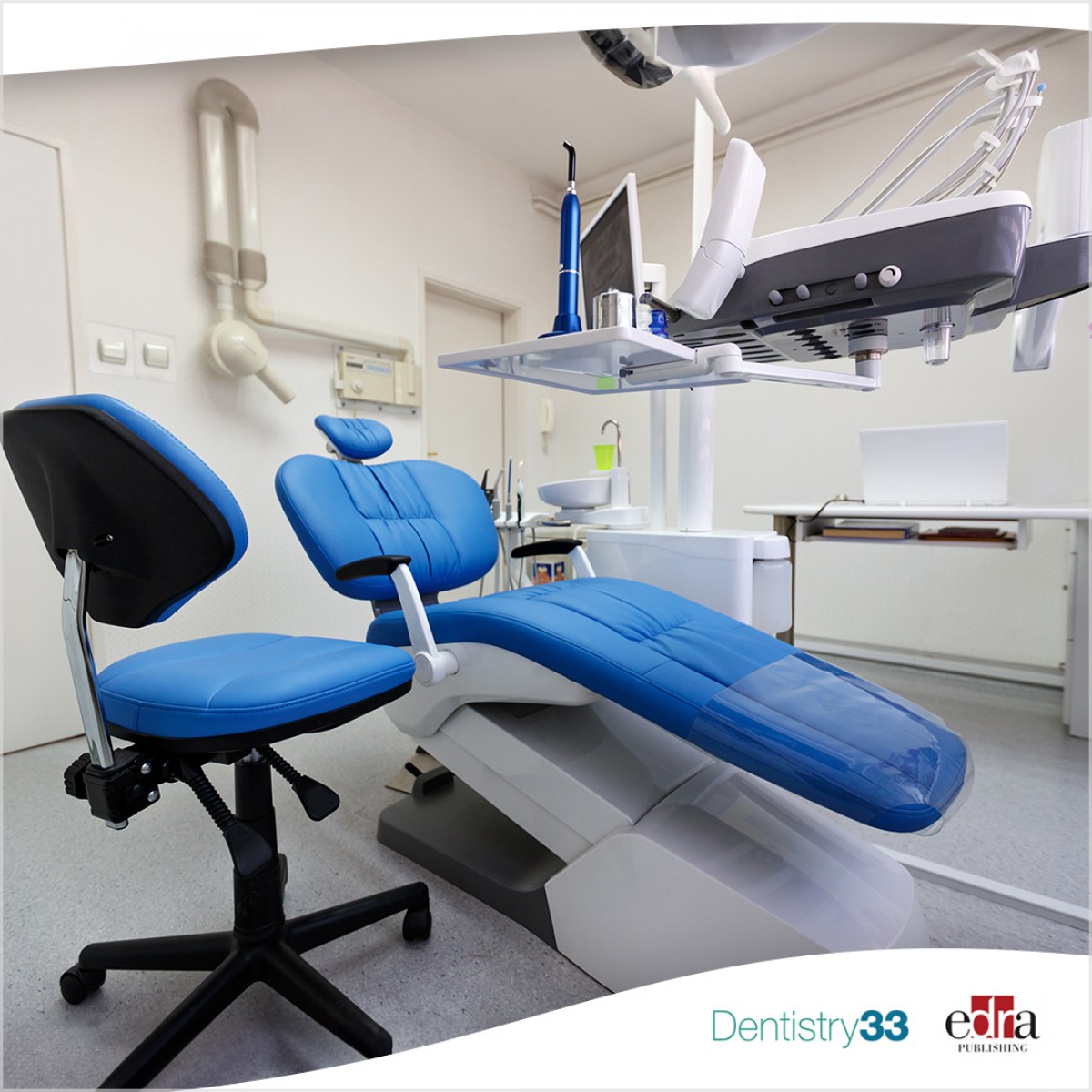
In this editorial published July 5, 2023, in the Journal of the California Dental Association, Dr. Lindsey Robinson discusses the major forces driving change in the health care system today.
Lindsey said that these forces are a result of the increasing cost of health care, variability in quality produced by a fragmented health care system, and health disparities among different populations of people. The pandemic exacerbated and accelerated these conditions.
According to the Commonwealth Fund, the U.S. health care system is the most expensive in the world, accounting for nearly 18% of the 2022 gross domestic product. At the same time, the country has worse health outcomes on many important health measures than other countries spending less. Our country has the lowest life expectancy and highest rates of avoidable deaths among high-income countries.
Simply put, Lindsey said the U.S. is not receiving enough value for health care dollars spent. There is one thing all policy makers and politicians can agree on – the U.S. health care system as it currently is, cannot be sustained. Many experts believe these issues are a result of limited use of low-cost preventive measures, lack of primary care coordination, and financial incentives that promote volume of procedures over value to the patient.
From its roots, dentistry as a discipline mostly evolved and has existed in its own silo isolated from the general health care system. To this day, dental education, accreditation, regulation, practice and insurance coverage largely remain separated. In 1965, dentistry was deliberately left out of Medicare when the large government program was created.
It is now well recognized that oral health is critical for not only general health, but for overall well-being. There is promising research demonstrating lower health care costs associated with managing chronic diseases like diabetes and improved health outcomes when patients can access oral health care.
Lindsey noted that there is great interest among eldercare advocates to lobby for federally guaranteed dental benefits added to Medicare. In fact, beginning in 2023, The Centers for Medicare and Medicaid Services expanded coverage for dental services considered medically necessary in the Medicare program.
The desire for greater value and cost savings is moving medicine and dentistry closer together toward a more coordinated, interdisciplinary team approach to health care delivery, especially in the primary care environment.
There are health systems like Permanente Dental Group in the Pacific Northwest and Health Partners in Minnesota who already provide dental care as an integrated component of services for patients. Health records can be shared across the system to identify missed vaccines or routine preventive care, and to manage chronic conditions.
Federal initiatives and programs are prioritizing a movement to overcome the great divide between medical and dental delivery systems to promote improved health outcomes and access to care. Many Federally Qualified Health Centers co-locate medical and dental services in the same building.
A dental support organization based in California is piloting a new concept by adding a health care provider such as a nurse practitioner to a dental office who can provide a cadre of primary care services – so the dental office would be a one stop shop for all the primary care a person might need.
Read the rest of the editorial on the journal's site.
Lindsey Robinson (2023), "Dentistry . . . The Value Proposition," Journal of the California Dental Association, 51:1, DOI: 10.1080/19424396.2023.2230626
 Related articles
Editorials 19 November 2026
Twenty Florida high school students recently visited the UF College of Dentistry, or UFCD, for a day of programming designed to help them explore potential careers in dentistry.
Editorials 21 April 2026
NYU Dentistry Receives $5M to Expand Oral Health Care for Children with Disabilities

State funding will create dedicated space for pediatric and adolescent care and improve access for people with disabilities across the lifespan
Editorials 18 March 2026
Legislation by Rep. Harder would preserve federal loans for health care graduate students

New legislation by U.S. Rep. Josh Harder would preserve critical federal loans for many students pursuing careers as doctors, dentists, pharmacists, nurses and other health care professionals.

Access to affordable healthcare is a major concern across the U.S. Rising costs and insurance gaps are forcing many people to delay or skip care, including dental care.
Editorials 16 February 2026

Rutgers School of Dental Medicine (RSDM) has teamed up with Crossroads, a public school for children with autism spectrum disorder, to remove barriers to oral healthcare for students with high...
Read more
Products 23 November 2026

In this episode of Speaking of Dentistry… The Editor’s Cut with Stan Goff, Stan Goff, Managing Editor of Dentistry Today , speaks with Saro Hatzakortzian, CEO of Alien Milling Tech
News 23 November 2026
NIH-funded research expands evaluation of company’s technology into a significant new indication involving bone loss around dental implants.
News 23 November 2026

Growth leader joins as Curve advances its $200 million R&D commitment and builds the platform dental practices won’t outgrow.
Editorials 23 November 2026
Honoring Achievement, Embracing Service: School of Dentistry Commencement 2026

Surrounded by family and friends, the UCSF School of Dentistry Class of 2026 came together at the Palace of Fine Arts Theatre on May 28, 2026, to celebrate their graduation and mar
Oral Hygiene & Prevention 23 November 2026

This peer-reviewed oral hygiene & prevention article summarizes clinical evidence from BMC oral health (2026). It focuses on findings that may help dental professionals evaluate treatment...


Copyright © 2026 - All Rights Reserved
ISSN 2767-1178