


Sugar-free chewing gum market to reach $27B

The global sugar-free chewing gum market size is expected to reach nearly $27 billion by 2032, according to an analysis by Research and Markets. The new report gives detailed insight into current market dynamics and provides analysis on future market growth.
According to a news release, the gum market has expanded rapidly in recent years. The growing wellness industry, as well as increased incidences of dental decay caused by excessive sugar consumption, have raised the interest in sugar-free chewing gum.
Other factors projected to promote the growth of the worldwide sugar-free chewing gum industry include regular product improvements, such as the launch of novel flavors, and a thriving organized retail sector. Unique advertising strategies are also boosting industry growth.
Most of the products are sold in convenience stores followed by hyper- and supermarkets. However, sugar-free chewing gum sales in traditional stores are likely to stay flat due to increased online purchases.
Asia-Pacific is the most profitable market for makers of sugar-free chewing gum. Rising consumer awareness of the advantages of such gum, as well as increased investment by manufacturers in the region's emerging nations, are a few of the factors fueling the expansion of the region. With easy product availability for consumers, the growing organized retail sector is contributing to market growth.
Chewing gum has several benefits ranging from breath freshening to consuming vitamins and medication. To increase these chewing gum functionalities, however, a better comprehension of chewing gum components and processes is essential.
Learn more about the report, companies working in this realm and related reports at: https://www.researchandmarkets.com/reports/5734702/sugar-free-chewing-gum-market#tag-pos-2
 Related articles
Products 24 November 2026
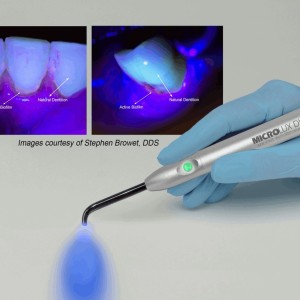
Microlux DW Illuminator Helps Detect Caries, Cracks, and Biofilm
Editorials 27 September 2026
Dentistry33 survey highlights replacement care, deep caries and evolving restorative workflows
Reader survey finds direct composites remain dominant, secondary caries is the leading reason for restoration replacement, and clinicians want more training in pulp preservation
Reader survey finds direct composites remain dominant, secondary caries is the leading reason for restoration replacement, and clinicians want more training in pulp preservation
Dental decay is the most common chronic disease of children and it disproportionately affects those living in poverty, but the reasons for this are not clear. Passive smoking may be a modifiable risk...
Oral Hygiene & Prevention 20 August 2025
Personal oral hygiene and dental caries: A systematic review of randomised controlled trials

To conduct a systematic review of randomised trials assessing the association between personal oral hygiene and dental caries in the absence of the confounding effects of fluoride.

The new CaviSense Toothpick helps detect signs of early-stage cavities and has proven useful in traditional dental clinics as well as mobile operations as both a screening tool used during non-x-ray...
Read more
Products 26 November 2026
Kairos Health Helps Dental Practices Turn Patient Follow-Ups Into Scheduled Appointments

Kairos Health, a Y Combinator-backed company, offers AI voice agents that help dental practices follow up with patients, manage incoming calls, and fill their schedules.
News 26 November 2026

News 26 November 2026

More than 6,000 doctors and team members at Aspen Dental-branded practices cared for veterans on Nov.
Editorials 26 November 2026
Learning Through Service: The Impact of UCSF Dentistry's Community Externships

For more than 20 years, the UCSF School of Dentistry has sent predoctoral students to community clinics across the Bay Area and beyond through its Community-Based Clinical Educatio
Periodontology 26 November 2026
This peer-reviewed periodontology article summarizes clinical evidence from Journal of clinical periodontology (2026). It focuses on findings that may help dental professionals evaluate treatment...



Copyright © 2026 - All Rights Reserved
ISSN 2767-1178