


New Report: People with Disabilities Face Major Barriers to Accessing Oral Health Care
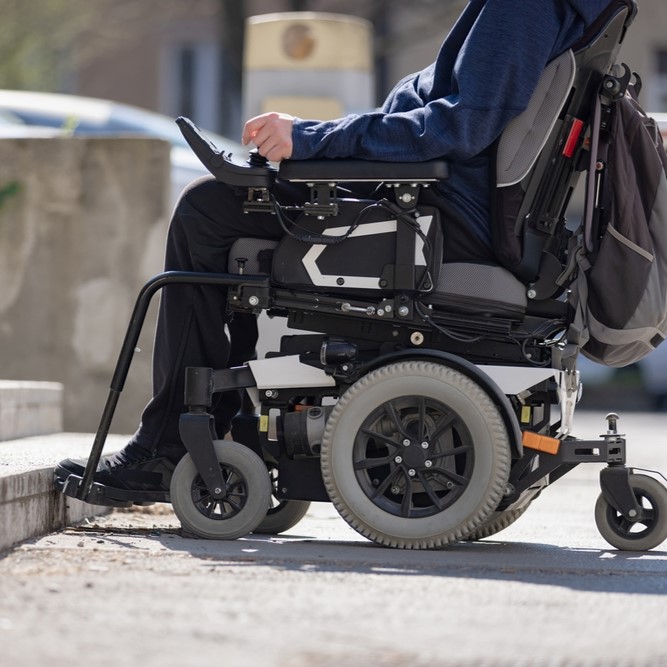
This data comes from the annual State of Oral Health Equity in America (SOHEA) survey—the largest nationally representative survey focused on adults’ attitudes, experiences, and behaviors related to oral health.
Findings from the report show that for adults reporting at least one disability, factors including income, education, and having dental insurance are often linked to oral health outcomes such as self-rated oral health, recency of the last dental visit, having a dental home, and visiting an emergency department (ED) for dental care.
“People with disabilities deserve the basic right to access the care they need, yet they continue to face significant obstacles in receiving adequate dental care,” said Melissa Burroughs, director of public policy at CareQuest Institute for Oral Health. “This report gives us actionable insights to help guide our efforts to reduce inequities and improve the quality of life for individuals with disabilities.”
The results of the report reveal the following:
- Fewer adults with a disability reported a dental visit in the past 12 months (56%) compared to those without a disability (70%).
- Nearly a third of adults with a disability say their dental office doesn’t provide special help and/or accommodations for their dental visit.
- Adults with a disability are less likely to have dental insurance (66%) than those without one (76%).
- One-quarter of adults with a disability (25%) said they delayed care, missed an appointment, or were unable to obtain needed health care, including oral health care.
- Adults with a disability have significantly higher odds of reporting fair/poor oral health compared to adults without a disability.
- More adults with a disability have visited an emergency department for dental care than adults without one.
To improve access to oral health care for people with disabilities, the report recommends enhancing Medicare and Medicaid coverage for adult dental care, providing additional training for providers on treating people with disabilities, and integrating medical and dental care with specialty oral health care.
Source: https://www.carequest.org/
 Related articles
.png)
Oral health plays a critical role in a person’s overall health and well-being, yet many New Yorkers face limited access to the oral health services they need. Identifying where these needs are most...

This report provides insight into Cigna Group’s tech activities, including its digital transformation strategies, innovation programs, technology initiatives, estimated ICT budget, and major ICT...
Products 03 July 2024
New Report: Lower-Income Families Spend 7 Times More on Dental Care Than Wealthier Families
Revealing deep health disparities based on income, a new CareQuest Institute for Oral Health report shows that poorer families paid 7.4 times more in out-of-pocket expenditures for dental care...

According to a newly released report from the National Institutes of Health, good oral health is important for the overall health and well-being of individuals of all ages, their families,...
Market 05 June 2023

For the first time since 2009, Minnesota's most vulnerable residents, including low-income individuals, people with disabilities, and seniors, will have comprehensive dental benefits. All Medicaid...
Read more
Asia&Oceania 25 October 2026
Australian Dental Congress 2027: Event Preview and Professional Highlights

The Australian Dental Congress 2027 will take place from May 20, 2027 to May 23, 2027 in TBD, Australia, offering dental professionals a focused environment for continuing education, clinical updates...
Edra Professional Books 24 October 2026
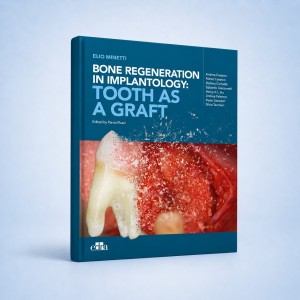
Bone regeneration in implantology: tooth as a graft is an Edra professional dentistry reference focused on clinical practice, education and treatment planning.
Continuous innovation across the DEXIS ecosystem helps clinicians work with greater clarity, confidence, and efficiency
News 23 October 2026
CrownPoint Partners announced the successful closing of a $9.2 million, five-property dental sale-leaseback portfolio located throughout Michigan.
News 23 October 2026
Dentsply Sirona, Midwest Dental Expand Technology Relationship
Beginning November 1, Dentsply Sirona will expand its long-standing relationship with Midwest Dental Equipment & Supply beyond consumables to include its complete technology portfo


Copyright © 2026 - All Rights Reserved
ISSN 2767-1178