


Posterior dental restoration material choices in privately insured people in the U.S.
Background
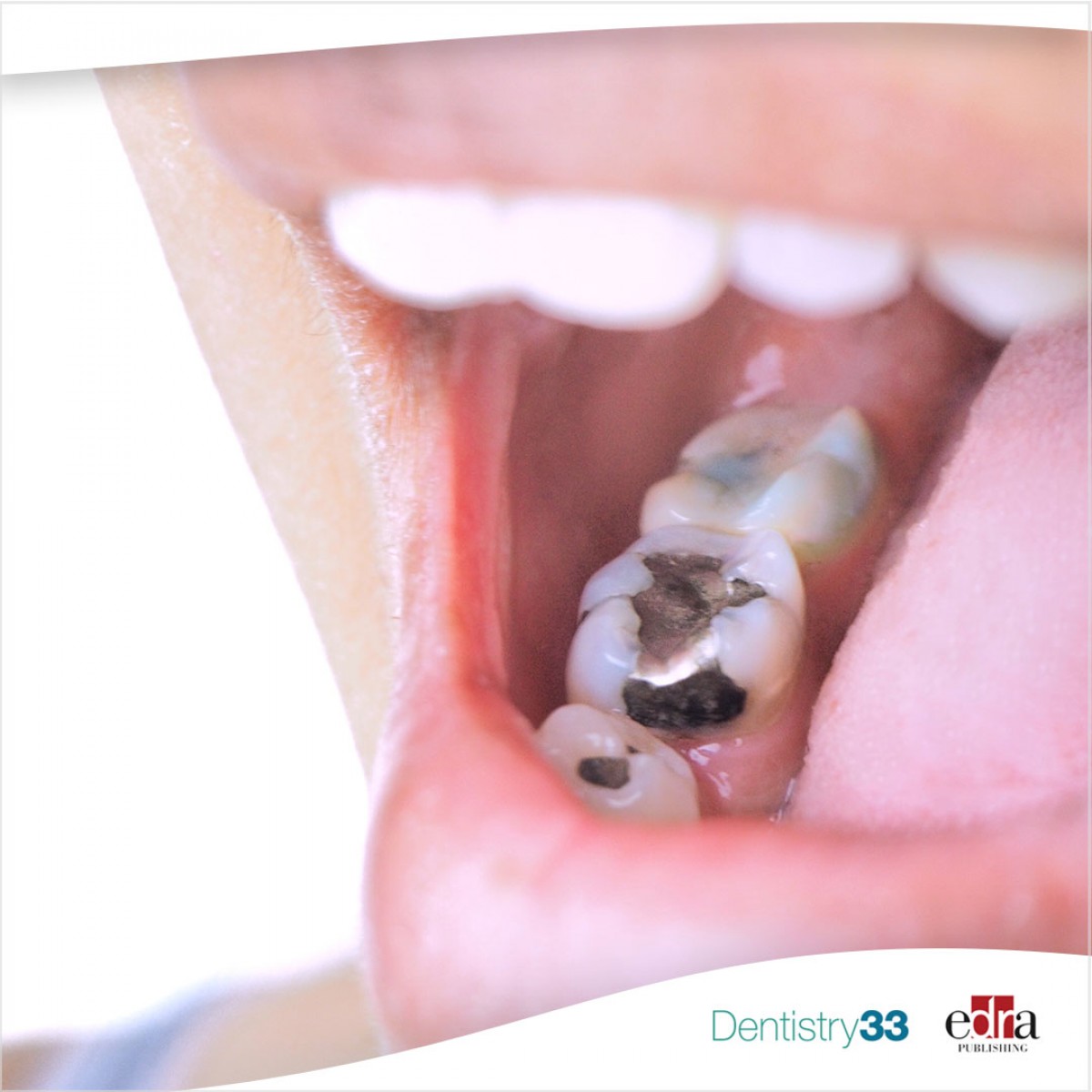
In the context of evolving dental materials and techniques and a national agenda to phasedown use of dental amalgam, estimates of dental amalgam placement are necessary for monitoring purposes.
In the U.S., disparities in caries prevalence by sociodemographic characteristics are well documented. Caries is more prevalent in non-Hispanic Black and Hispanic children and adults than non-Hispanic White or Asian children and adults, rural than urban, lower income than higher income, and less educational attainment than more educational attainment.
Physical factors such as oral hygiene, diet, tobacco use, fluoride intake, and genetics as well as health conditions affect risk of caries. Sociocultural factors such as acculturation, dental anxiety, language proficiency, and health-seeking norms can also affect caries management.
Neighborhood characteristics may affect people’s oral health as well. One such characteristic is fluoridated water. Community water fluoridation varies by geographic area, and as of 2018, only 63.4% of the US population received fluoridated water. Another factor is the type and location of grocery stores, which influence sugar consumption and caries rates. A third factor is access to care; there is significant geographic variation in dental care providers, with shortages particularly common in rural areas and in neighborhoods with high percentages of Black residents.
Methods
Numbers of amalgam and composite posterior restorations from 2017 through 2019 were calculated using retrospective dental claims analysis of privately insured patients. Kruskal-Wallis and multilevel, multivariable negative binomial regression models were used to test for differences in rates of amalgam and composite restoration placement by age group, sex, urban or rural area, and percentage race and ethnicity area distribution. Statistical significance was set at 0.05, with Benjamini-Hochberg correction for false discovery rate.
Results
The rate of amalgam restorations declined over time from a mean of 6.29 per 100 patients in 2017 to 4.78 per 100 patients in 2019, whereas the composite restoration rate increased from 27.6 per 100 patients in 2017 to 28.8 per 100 in 2019. The mean number of amalgam restorations placed per person were lowest in females compared with males, in urban areas compared with rural areas, and in areas with more than 75% non-Hispanic White residents.
Conclusions
Amalgam restoration placements in privately insured people in the United States declined from 2017 through 2019. Amalgam restoration placements may be unevenly distributed by location.
Practical implications
Achieving further declines of dental amalgam use may require changes to insurance coverage, incentives, and provider training as well as augmented disease prevention and health promotion efforts. These efforts should focus particularly on groups with high caries risk or higher rates of amalgam placement.
Cameron G. Estrich et al. "Posterior dental restoration material choices in privately insured people in the United States, 2017 through 2019." JADA. 30 March 2023. DOI: https://doi.org/10.1016/j.adaj.2023.02.005.
 Related articles
Pediatric dentistry 17 August 2023

Advancements in dental materials and changing parental preferences are modifying the frequency of use of restorative materials. This insurance claims analysis examined the trends in the use of...
Restorative dentistry 11 April 2023
Posterior dental restoration material choices in privately insured people in the U.S.

Numbers of amalgam and composite posterior restorations from 2017 through 2019 were calculated using retrospective dental claims analysis of privately insured patients.
Editorials 27 September 2026
Dentistry33 survey highlights replacement care, deep caries and evolving restorative workflows
Reader survey finds direct composites remain dominant, secondary caries is the leading reason for restoration replacement, and clinicians want more training in pulp preservation
Reader survey finds direct composites remain dominant, secondary caries is the leading reason for restoration replacement, and clinicians want more training in pulp preservation
News 09 June 2025
The “Innovations in Restorative Dentistry” report has been added to ResearchAndMarkets.com’s offering.
Restorative dentistry 17 May 2024

Advancements in manufacturing technologies have revolutionized the fabrication of dental restorations and prostheses, allowing for enhanced material manipulation and improved geometric precision. In...
Read more
Products 14 October 2026
Royal Philips (NYSE: PHG, AEX: PHIA) announced that the Philips Sonicare Next-Generation DiamondClean 9900 Prestige, its most advanced and intelligent toothbrush to date, is now av

Key transaction by Heartland Dental and its supported practices expands opportunities for supported doctors, teams, and practices while strengthening Heartland Dental’s supported f
News 14 October 2026
Henry Schein Cares Celebrates 25 Years of Corporate Citizenship

Henry Schein Cares, Henry Schein, Inc.’s global corporate citizenship program, is celebrating a quarter century of bringing together Team Schein Members, customers, supplier partne
Editorials 14 October 2026

Scholarship at the CU Anschutz School of Dental Medicine reflects the collective contributions of our faculty, staff, residents and students.
Oral Hygiene & Prevention 14 October 2026
Propolis-containing formulations in caries prevention - a systematic review and meta-analysis.
This peer-reviewed oral hygiene & prevention article summarizes clinical evidence from Clinical oral investigations (2026). It focuses on findings that may help dental professionals evaluate...



Copyright © 2026 - All Rights Reserved
ISSN 2767-1178