


Use of the root canal post for the restoration of the endodontically treated tooth: is it always necessary?
Simona Chirico

The clinical performance and longevity of restorations in endodontically treated teeth may vary depending on the material and operator experience and skill. The best protocol to rehabilitate endodontically treated teeth is still not well understood, as there are many factors to consider, including:
- the real need for an endocanal post,
- the type of coronal restoration,
- the amount of coronal structure remaining, and
- the type of fastening material.
However, practitioner-related factors may also influence decision-making, especially clinical experience and postgraduate training. Dentists' preferences should be considered regarding treatment options to provide reliable scientific evidence.
Materials and methods
In a systematic review conducted by Dr. Luiza Paloma Girotto and her team, researchers evaluated the restorative preferences for endodontically treated teeth of dentists and dental students. The study was published in October 2021 in The Journal of Prosthetic Dentistry.
The authors conducted a literature search of survey studies in English among dentists and dental students that evaluated the use of root canal posts and other restorative options for endodontically treated teeth. Searches were performed through the PubMed and SCOPUS databases with no time restriction. Screening and data extraction were performed by two examiners independently.
A standardized schema was used to extract the data and the risk of bias was assessed. A descriptive analysis of the information collected was carried out.
Results
Researchers included 25 articles in the study. Most dentists who responded to the surveys reported that they graduated within one to 20 years in 40% of cases and 44% were found to be residents. The most reported choices regarding the type of posts used were:
- prefabricated posts in 45.8%,
- cast metal posts in 16.7%
- both posts in 16.7%.
Cast metal posts were cited most frequently in surveys published between 1994 and 2010, while prefabricated posts, both metal and carbon or glass fiber posts were cited between 2006 and 2019.
The preferred fixation material for intracanal posts was found to be resin-based (47%).
These choices appear to be influenced by time and level of postgraduate education.
Conclusions
From the data of this review, the researchers concluded that:
- Root canal post rehabilitation preferences have changed over time and appear to be influenced by experience and postgraduate education.
- The results should be interpreted with caution because most of the studies included in this review were judged "not clear” due to missing data, which could introduce biases in the results and compromise the reliability of the data.
Luiza Paloma S. Girotto, Lara Dotto, Gabriel K. Rocha Pereira, Ataís Bacchi, Rafael Sarkis-Onofre, "Restorative preferences and choices of dentists and students for restoring endodontically treated teeth: A systematic review of survey studies," The Journal of Prosthetic Dentistry, Volume 126, Issue 4, 2021, Pages 489-489.e5, ISSN 0022-3913, https://doi.org/10.1016/j.prosdent.2020.07.005.
 Related articles
News 23 September 2026

Growing national network helps patients find local dentists trained to provide oral appliance therapy for obstructive sleep apnea.
News 10 April 2026

The Academy of General Dentistry (AGD) recently announced its 2026 “10 Dentists to Watch.”
Editorials 24 March 2026

This is the first in a series of articles about the future of dentistry in Texas and the nation. It shares stories about Texas A&M College of Dentistry's students, faculty, staff and alumni. New...
Pediatric dentistry 10 February 2026
Pediatric Dentists' Approaches to Dental Treatment of Children with Dental Fear and Anxiety

Dental fear and anxiety (DFA) are important facets of pediatric dental treatment and may cause oral health neglect and dental treatment evasion.
News 15 December 2025

For Dr. Rini Bavishi, dentistry is about more than perfect smiles—it’s about building a foundation of trust, one patient at a time.
Read more
Products 25 September 2026
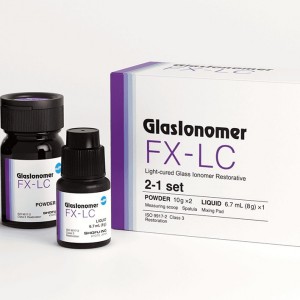
Shofu Dental’s line of dental restorative materials now includes FX-LC, a next-generation, light-cure, resin-reinforced glass ionomer formulated to deliver high strength, efficient 4
News 25 September 2026

The scholarships are part of an ongoing workforce solutions strategy to help address the need for skilled dental hygienists
News 25 September 2026

Michael Riccobene celebrates teamwork, community and more than 25 years of growth as one of sports’ most iconic trophies makes a special stop in Garner.
Editorials 25 September 2026

Oral surgery 25 September 2026
This peer-reviewed oral surgery article summarizes clinical evidence from International journal of oral and maxillofacial surgery (2026). It focuses on findings that may help dental professionals...



Copyright © 2026 - All Rights Reserved
ISSN 2767-1178