


Margin designs influence enamel, dentin removal during partial indirect preparations
By Lorenzo Breschi and Claudia Mazzitelli
Lorenzo Breschi
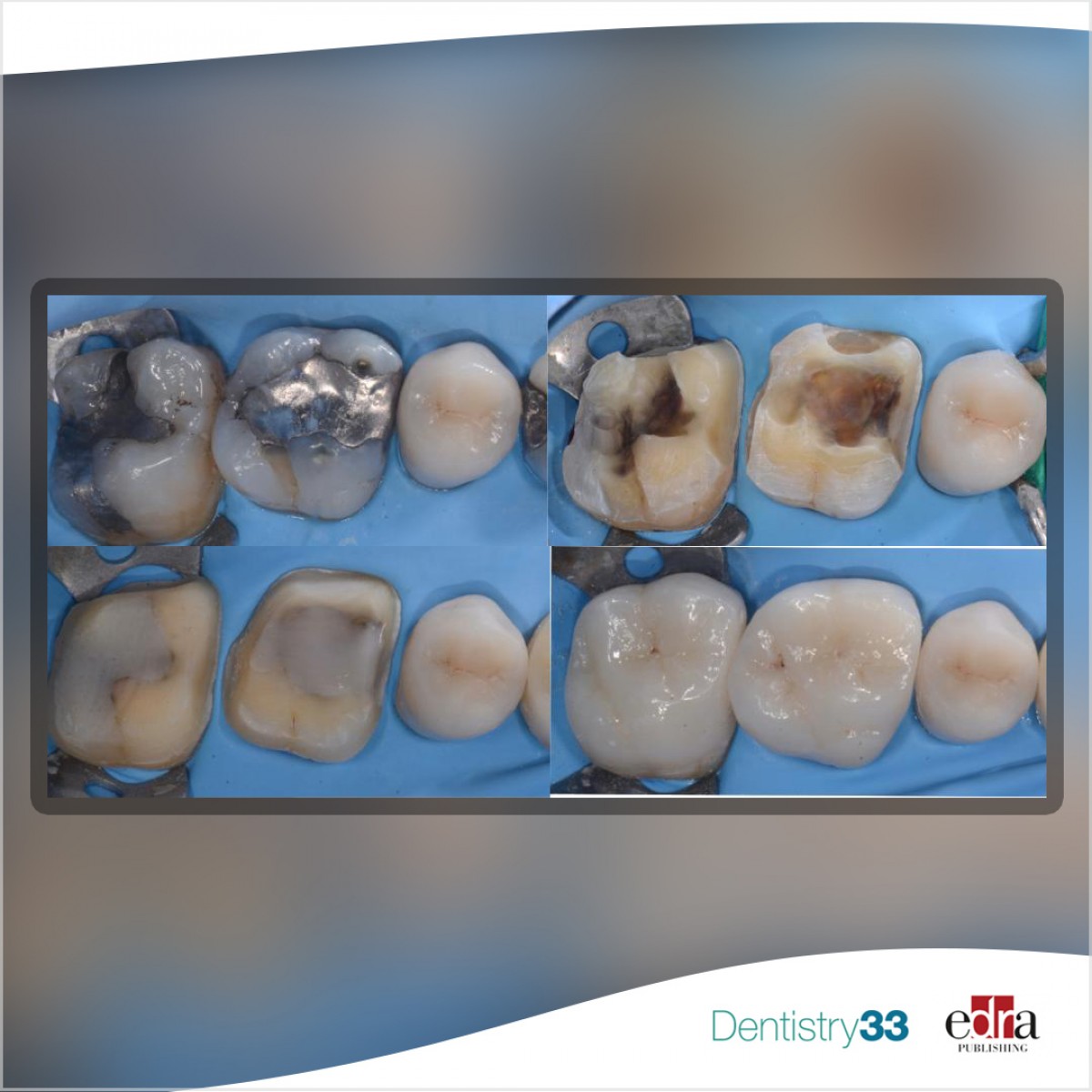
Increasingly performant materials and advanced techniques have enabled the preservation of healthy tooth structure. As a consequence, it has been possible to perform more conservative treatments also in presence of extensive dental cavities, limiting more aggressive interventions such as full-crown rehabilitations. Nowadays, indirect partial restorations (IPR) are preferable to fulfill the principles of minimal invasive dentistry.
During tooth preparation for IPR, dentists can choose between different margin designs and finishing lines. However, no clear indication for the most conservative preparation design is present in literature. In a recent laboratory study, Mancuso et al. aimed to quantitatively evaluate the volumetric enamel and dentin tissue removal and the residual adhesion surface area after different preparations for IPR of a posterior tooth
Materials, methods
A micro-CT scan of a sound human molar was used to obtain STL files to print 50 tooth replicas with a 3D-printer. Teeth were prepared with the following margin designs (n=10): circumferential rounded shoulder above the dental equator, circumferential hollow chamfer above the dental equator, butt joint above the dental equator, circumferential rounded shoulder below the dental equator and circumferential hollow chamfer below the dental equator.
After preparations, a second scan was taken and the two STL files were aligned to calculate the volume of the enamel and dentin removal and the residual adhesion surface area. The data were acquired with a quality inspection software and were statistically analyzed.
Results
Differences in dental tissue reductions were related to the margin location. No differences existed above the equator between circumferential rounded shoulder, circumferential hollow chamfer and butt joint (p=0.05). Instead, below the dental equator, the chamfer preparation resulted in a more conservative approach with the highest enamel surface area available for adhesion than the shoulder design (p>0.05). The butt joint resulted in a superior exposure of dentin.
Conclusions
Dental preparations with flat designs performed above the dental equator expose much more dentin, reducing the adhesive surface in enamel. Below the dental equator, when possible, a chamfer preparation provides a shoulder design that enables a more conservative approach.
Mancuso E, Mazzitelli C, Maravic T, Pitta J, Mengozzi A, Comba A, Baldi A, Scotti N, Mazzoni A, Fehmer V, Sailer I, Breschi L. "The influence of finishing lines and margin location on enamel and dentin removal for indirect partial restorations: A micro-CT quantitative evaluation." J Dent 2022, 127: 104334. https://doi.org/10.1016/j.jdent.2022.104334
 Related articles
News 29 September 2026
Eterna Regeneratives Raises Funding for Tooth Enamel Regeneration
UK startup Eterna Regeneratives has closed a seed investment round led by Hoxton Ventures and The Venture Collective (TVC) to build its regenerative biomaterial platform spanning e
News 25 August 2026
First-of-its-kind product delivers daily enamel care via one of the fastest-growing consumer product formats, oral pouches
Products 21 August 2026
today announced the positioning of its BasicBites ® oral-care soft chews as Daily Enamel Nutrition™, a microbiome-based approach to everyday oral-care support.
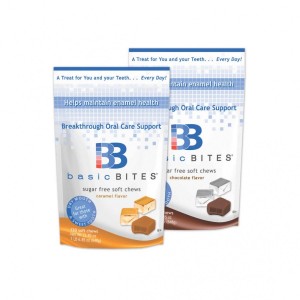
today announced the positioning of its BasicBites ® oral-care soft chews as Daily Enamel Nutrition™, a microbiome-based approach to everyday oral-care support.
News 12 September 2023

Designed by dentist Dr. Chrystle Cu, Cocoshine is a 4-in-1 powerhouse for your pearly whites that's packed with nano-hydroxyapatite (n-HA), a fluoride alternative.
Read more
Products 20 October 2026
News 20 October 2026

In recognition of National Dental Hygiene Month, Delta Dental highlights key findings from its 2026 State of America’s Oral Health and Wellness Report , a nationwide analysis of co
News 20 October 2026
Abra Health Group has launched The Dental Bank, a new community impact initiative designed to make essential oral health resources more accessible to individuals and families throu
Editorials 20 October 2026
Woman’s skull likely proof of ancient nose amputation, says College of Dentistry professor
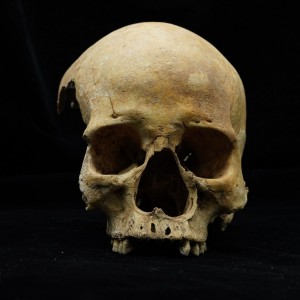
Qian Wang, professor in biomedical sciences at Texas A&M College of Dentistry in Dallas, identified what he and other researchers believe is likely one of the first examples of an
Endodontics 20 October 2026
This peer-reviewed endodontics article summarizes clinical evidence from Clinical oral investigations (2026). It focuses on findings that may help dental professionals evaluate treatment decisions,...



Copyright © 2026 - All Rights Reserved
ISSN 2767-1178