


Aesthetic implantoprosthetic rehabilitation of a fractured central incisor
Authors: M. Caberlotto, M. Gobbo
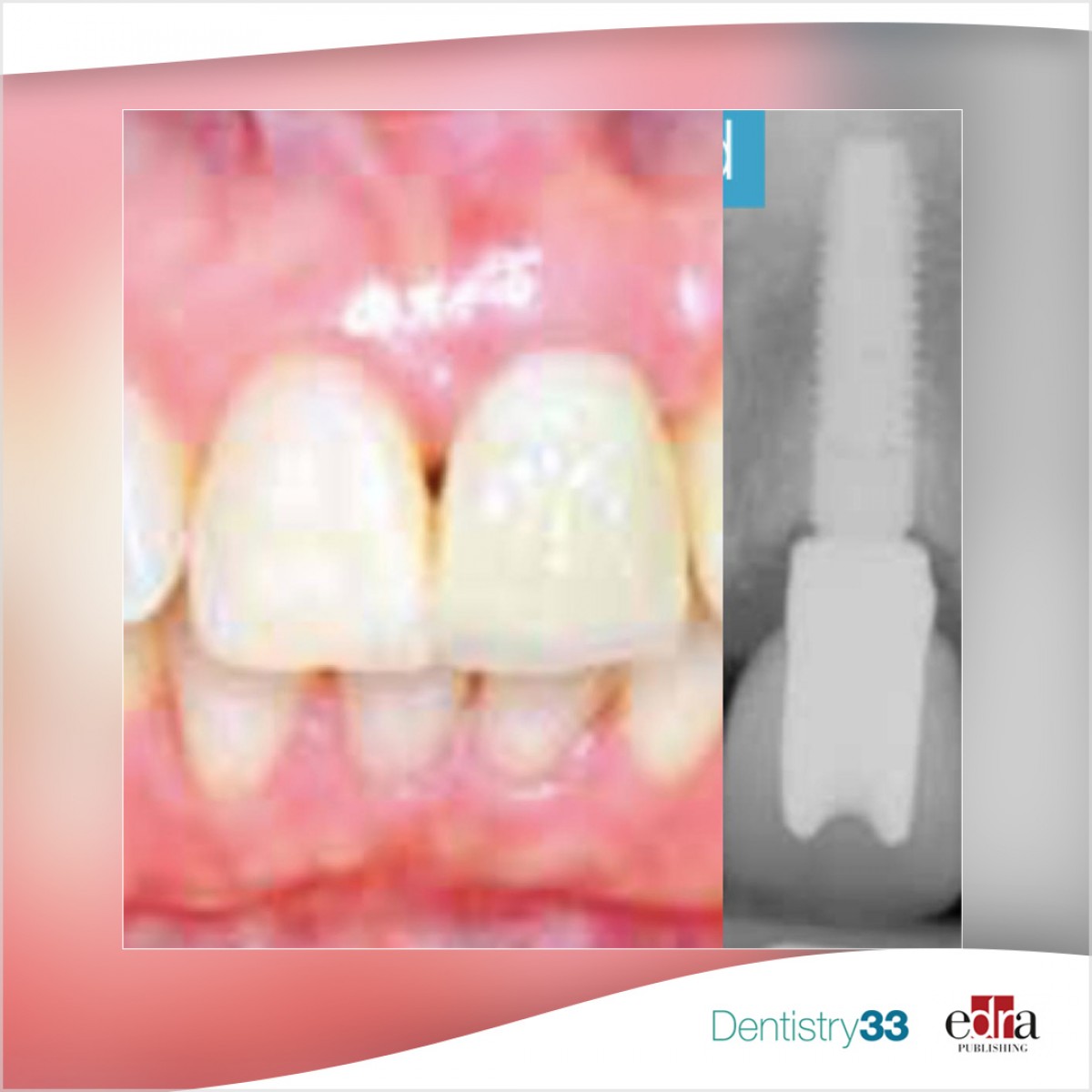
Single tooth replacement in an aesthetic region still represents one of the most challenging tasks for the dentist. In re- cent years, the use of bone and soft tis- sue volume preservation and augmentation techniques increased the prognosis and aesthetic of successful implanto-prosthetic treatments. In particular, the use of alveolar and delayed implant placement techniques seems to ensure greater long-term success.The present clinical study reports a case of traumatic fracture of tooth 2.1.
MATERIALS & METHODS
A 56-year-old patient came to our attention for accidental fracture of element 2.1. During objective examination, the element was in place, de- spite the apparent mobility of the coronal fragment. After clinical and radiographic evaluation, the definitive diagnosis was “coronary-Radically uncomplicated”. Due to the clinical situation, it was considered appropriate to extract the fractured root. Among the available treatment the au- thors decided for the use of implantoprotesic therapy, in combination with the alveolar preservation procedure and subsequently for mucogengival surgery to increase the thickness of the perimplant gingival tissues.
The extraction was carried out with atrau- matic technique in order to preserve the vestibular cortical and increase the probability of obtaining sufficient primary stability after implant insertion. At the same time, a socket preservation was performed with anorganic bovine origin (Endo- bone Xenograft Granules, Biomet 3i, Palm Beach Gardens, FL, USA) and collagen resorbable membrane (OsseoGuard® Membrane, Biomet 3i). After 6 months, an implant was inserted in region 2.1 (Astra Osseo Speed, Dentsply Italia Srl, Roma) using a two-stage technique. When im- plant osseointegration was achieved, the site 2.1 was re-opened associating a mucogingival graft with roll-flap technique to increase the thickness of perimplant soft tissues.
Simultaneously, an impression was ta- ken to fabricate a zirconia abutment and a resin temporary crown that has been progressively modified to allow a better healing of the perimplant soft tissues. Finally, a lithium disilicate crown was customized.
RESULTS AND CONCLUSIONS
Socket preservation is a simple, predictable and effective surgical technique which helps to counteract the normal bone remodeling. The literature confirms that, if compared to a natural healing, the use of bone substitutes increases the likelihood of pre- serving the alveolar volume. Moreover, the perimplant soft tissue management greatly affects the final aesthetic result. Progressive customization of the temporary resin crown, according to the principles of Biologically Oriented Preparation Technique (BOPT), allows not only to change the emergency profile of the crown but also to recreate an harmonious pattern of the perimplant mucosa compared to the adjacent teeth, including the height and width of the papilla, the location of the zenith of the gingival parabola and the contact area.
CLINICAL SIGNIFICANCE
As single tooth replacement in an aesthetic region is still a challenging tasks, the present study shows that the use of socket- preservation technique combined with appropriate bone filling materials allows achieving excellent clinical outcome preserving soft and hard tissues volume.
 Tag
Tag
Related articles
Oral surgery 20 December 2021

Tooth extraction causes vertical and horizontal alveolar bone resorption with a spontaneous volumetric hard and soft tissue remodeling. This unfavourable...
Read more
Products 23 September 2026
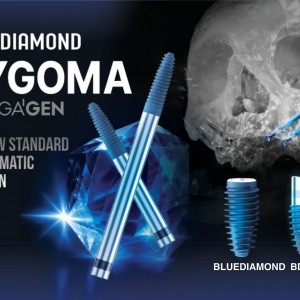
New zygomatic implant system brings MegaGen’s BLUEDIAMOND engineering, XPEED® surface technology, and flexible prosthetic solutions to complex full-arch rehabilitation.
News 23 September 2026

Inaugural GPO Partners include Unified Smiles, the Dentist Entrepreneur Organization (DEO), and Dental Purchasing Partners (DPP)
News 23 September 2026
Growing national network helps patients find local dentists trained to provide oral appliance therapy for obstructive sleep apnea.
Editorials 23 September 2026
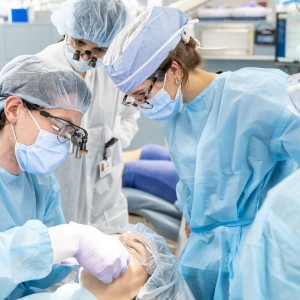
Students recently headed back to class for the current academic year, but Texas A&M College of Dentistry is looking ahead as deadlines approach for the dental Class of 2031 and the
Oral Hygiene & Prevention 23 September 2026
Propolis-containing formulations in caries prevention - a systematic review and meta-analysis.
This peer-reviewed oral hygiene & prevention article summarizes clinical evidence from Clinical oral investigations (2026). It focuses on findings that may help dental professionals evaluate...


Copyright © 2026 - All Rights Reserved
ISSN 2767-1178