


Longitudinal clinical and radiographic evaluation of severely intruded permanent incisors in a pediatric population

Intrusion is defined as the axial dislodgment of the tooth into its socket and is considered one of the most severe types of dental trauma. This longitudinal outcome study was undertaken to evaluate clinically and radiographically severely intruded permanent incisors in a population of children and adolescents. All cases were treated between September 2003 and February 2008 in a dental trauma service. Clinical and radiographic data were collected from 12 patients (eight males and four females) that represented 15 permanent maxillary incisors. Mean age at the time of injury was 8 years and 9 months (range 7–14 years and 8 months).
Mean time elapsed to follow-up was 26.6 months (range 10–51 months). The analysis of data showed that tooth intrusion was twice as frequent in males. The maxillary central incisors were the most commonly intruded teeth (93.3%), and falling at home was the main etiologic factor (60%). More than half of the cases (53.3%) were multiple intrusions, 73.3% of the intruded teeth had incomplete root formation and 66.6% of the teeth suffered other injuries concomitant to intrusion. Immediate surgical repositioning was the treatment of choice in 66.7% of the cases, while watchful waiting for the tooth to return to its pre-injury position was adopted in 33.3% of the cases. The teeth that suffered additional injuries to the intrusive luxation presented a fivefold increased relative risk of developing pulp necrosis. The immature teeth had six times more chances of presenting pulp canal obliteration that the mature teeth and a lower risk of developing root resorption.
The most frequent post-injury complications were pulp necrosis (73.3%), marginal bone loss (60%), inflammatory root resorption (40%), pulp canal obliteration (26.7%) and replacement root resorption (20%). From the results of this study, it was not possible to determine whether the type immediate treatment had any influence on the appearance of sequelae like pulp necrosis and root resorption after intrusive luxation, but the existence of additional injuries and the stage of root development influenced the clinical case outcome in a negative and positive manner, respectively.
Authors: José Jeová Siebra Moreira Neto, Juliana Oliveira Gondim, Fernanda Matias De Carvalho, Elisa Maria Aparecida Giro
Source: https://onlinelibrary.wiley.com/
 Related articles
Oral Hygiene & Prevention 19 February 2026

This study evaluated the strength of the association between three widely used clinical indexes considered as distal behavioural indicators of attitude-related oral status and secondary implant...

This longitudinal study examined if cognitive decline varies by birth cohort, and edentulism and nonuse of dental care predict cognitive decline.
Oral Hygiene & Prevention 15 March 2023
Prevalence over time and determinants of dental care visits among Tennessee seniors

Increased dental visits help detect and treat dental disease and offer opportunities for preventive care. This longitudinal study aimed to examine the prevalence and determinants of dental care...
Restorative dentistry 03 November 2022
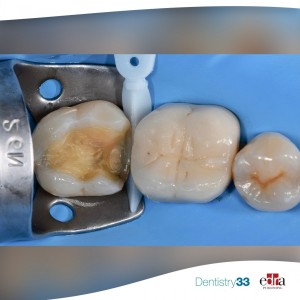
Dental cracks always represent a problem that is difficult to manage and diagnose by the dentist.
Oral pathology 02 August 2021
Longitudinal epidemiologic analysis of three decades of TMD populations
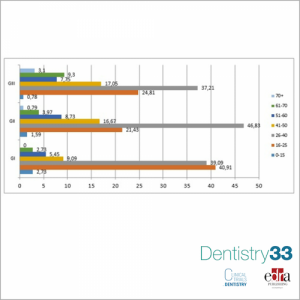
Authors: Emanuela Serritella, Paola Di Giacomo, Chiara Vompi, Gianni Falisi, Carlo Di Paolo
Aim: This study aims to compare the epidemiological data of three cohorts of dysfunctional patients attending to the Clinical Gnathology Service of “Policlinico Umberto I University Hospital...
Read more
Europe 11 October 2026 - 30 November -0001
Scandinavian Dental Fair 2026: Event Preview and Professional Highlights

The Scandinavian Dental Fair 2026 will take place from November 11, 2026 to November 13, 2026 in TBD, Sweden/Denmark, offering dental professionals a focused environment for continuing education,...
Edra Professional Books 10 October 2026
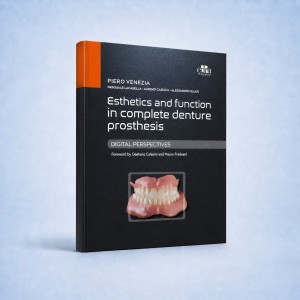
Esthetics and function in complete denture prosthesis is an Edra professional dentistry reference focused on clinical practice, education and treatment planning.
Products 09 October 2026
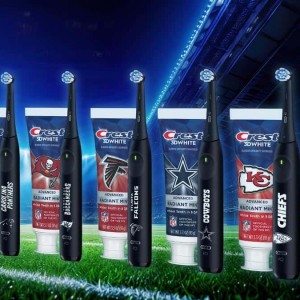
Oral-B and Crest, Official Oral Care Partners of the NFL, recently announced the launch of new special-edition products, giving fans even more ways to celebrate their love of the g
News 09 October 2026
Apex Dental Partners, a dental partnership organization supporting dentists and affiliated practices, has been named No.
News 09 October 2026

New education website and fully funded Swiss fellowship program debut at the 2026 Orthopaedic Trauma Association Annual Meeting in Nashville



Copyright © 2026 - All Rights Reserved
ISSN 2767-1178