


The best agents to prevent early childhood caries
Data sources
A comprehensive search strategy was planned and, accordingly, researchers analyzed three electronic databases including Medline, Embase, and Cochrane CENTRAL with no language and time restrictions to find the relevant literature. The team also conducted hand searches of the relevant articles to retrieve other possible studies.
Study selection
Both parallel and split-mouth RCTs with a minimum follow-up period of two years were included. Non-randomized studies were also selected.
Data extraction and synthesis
Data about study characteristics, demographic and clinical parameters, assessed outcome, outcome assessment methods etc. were retrieved by two independent authors. Network meta-analysis (NMA) was carried for two different outcomes viz caries increment and caries incidence. For the purpose of NMA, standardized mean difference (SMD) was calculated for analyzing the continuous outcome (caries increment) while Odds ratio was used for dichotomous outcome (caries incidence at individual level).
Results
A total of 3,807 publication were retrieved and after sifting 33 RCTs and other quasi-randomized/ non-randomized studies were selected for this NMA. Network diagrams were created and two NMAs were carried; one for caries increment and another for caries incidence.
A total of 18 preventive agents were explored for caries increment and amongst these, only fluoride-foam and fluoride-salt exhibited significant better prevention than the control; with SMD and confidence interval values of 0.69 (0.32–1.06) and 0.66 (0.13–1.20) respectively.
While for caries incidence outcome 11 preventive agents could be included out of which, probiotic-milk + LowF toothpaste, fluoride-foam, fluoride-varnish, and FV + HFTP exhibited significant higher odds of caries prevention; and the odds ratio with 95% confidence intervals were 0.34 (CI = 0.15–0.77), 0.48 (CI = 0.37–0.63), 0.63 (CI = 0.48–0.81), and 0.73 (CI = 0.57–0.93) respectively. SUCRA rankings were also obtained for both the outcomes.
Conclusions
Fluoride preparations, namely fluoride-foam (FF), fluoride-salt (FS) and probiotic milk+ low-F toothpaste (PMLFTP), fluoride-varnish (FV) and fluoride-varnish+ high-F toothpaste (FVHFTP) were found to be effective in preventing early childhood caries.
Gugnani, N., Gugnani, S. "Which of the preventive agents perform best for prevention of early childhood caries?" Evid Based Dent 24, 61–63 (2023). https://doi.org/10.1038/s41432-023-00882-8
 Related articles
Products 29 July 2026
Opalescence™ whitening, the #1-selling professional teeth whitening brand, is announcing two new additions to its Opalescence™ whitening toothpaste lineup: Opalescence™ Complete Wh
Clinical portfolio for the brand shows TheraBreath™ Healthy Gums Toothpaste significantly outperforms Crest Regular across gingival inflammation, plaque prevention, bleeding reduct
SuperMouth, the dentist-founded brand known for its advanced oral care solutions for all ages, is bringing indulgence to the bathroom sink with its new, limited-edition Dubai Choco
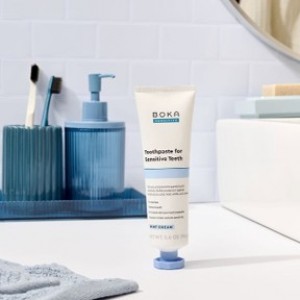
The clinically backed formula combines 5% potassium nitrate and nano-hydroxyapatite in a Mint Cream flavor formulated to reduce and prevent painful tooth sensitivity.
Products 09 March 2026
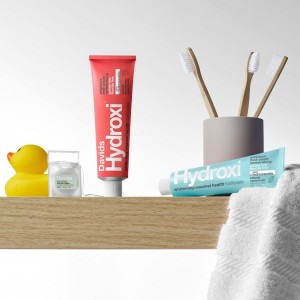
Davids Health Sciences, Inc., a leader in premium and naturally derived oral care, today announced two new additions to its proprietary Hydroxi™ nano-hydroxyapatite (nHA) toothpaste collection:...
Read more
Products 22 October 2026
News 22 October 2026

Royal Philips (NYSE: PHG, AEX: PHIA), a global leader in oral healthcare, today announced the formation of the Philips Sonicare Global Clinical Advisory Board, a group of external
News 22 October 2026
Opalescence Launches Limited-Edition Teeth Whitening Flavors
Opalescence whitening , the #1-selling professional teeth whitening brand, is introducing two limited-edition flavors, available only while supplies last: Pumpkin Spice and Birthda
Editorials 22 October 2026
2025 in Review: Highlights from the CU Anschutz School of Dental Medicine
From collaborative research to exceptional patient care and education , 2025 was a year of innovation and impact at the University of Colorado Anschutz School of Dental Medicine.
Implantology 22 October 2026

This peer-reviewed implantology article summarizes clinical evidence from Clinical oral implants research (2026). It focuses on findings that may help dental professionals evaluate treatment...



Copyright © 2026 - All Rights Reserved
ISSN 2767-1178