


Pediatric endodontics: a biologic alternative to pulpectomy
Simona Chirico
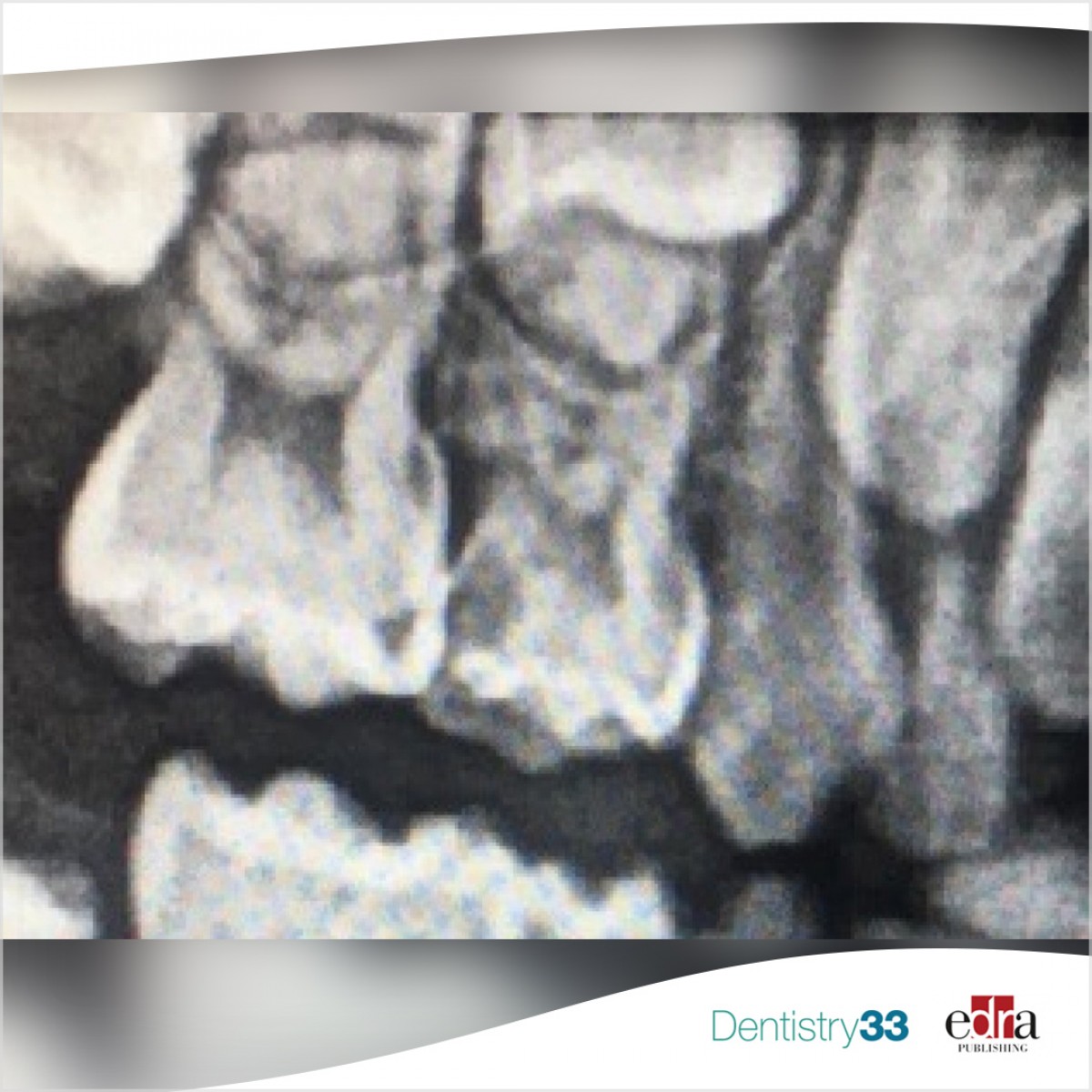
Endodontics is a very common treatment in the pediatric dental practice and dental caries with infected root canals is an everyday problem in primary dentition. For such situations pulpectomy is the therapy. This treatment aims to remove infected pulp by mechanical instrumentation and irrigation and to obturate endodontic space with proper material. The success of the therapy consists in disappearance of signs and symptoms and in regular exfoliation of the tooth, but not always it is guaranteed and the treatment may be long and complicated.
A relatively new approach is represented by lesion sterilization and tissue repair therapy. LSTR therapy is a biologic treatment for carious lesions with or without involvement of pulp using a mix of three different antibiotics (3Mix): metronidazole, ciprofloxacin, and minocycline. 3Mix aims to sterilize necrotic pulps and infected root dentine of primary teeth. The mixture has been then modified for a better clinical result using cefaclor in place of minocycline and ornidazole in place of metronidazole. This therapy showed good clinical results but on the other hand controversial radiographic data.
This study published on J Indian Soc Pedod Prev Dent wants to evaluate clinical and radiographic success of three different LSTR techniques in primary molars.
Materials and Methods:
Fifty children aged between 4-8 years old were selected for this study. Analysed teeth were sixty-three first and second primary molars showing caries with involvement of pulp.
Clinical and radiographic data were recorded before treatment by an operator. Teeth were then randomly split into three groups by envelope draw method. All treatments were performed by the same operator. Each group received different treatments.
- Group I: removal of coronal pulp and medication of pulp chamber with modified 3Mix antibiotic paste, sealed with glass ionomer cement (20 teeth)
- Group II: removal of both coronal and accessible radicular pulp and medication of pulp chamber with modified 3Mix antibiotic paste, sealed with GIC (21 teeth)
- Group III: removal of coronal pulp and medication of pulp chamber with were treated with Chloramphenicol, tetracycline and zinc oxide eugeno (CTZ) paste, sealed with GIC (22 teeth).
Results
Children were clinically examined for follow-up at one, six, and twelve months whereas radiographically at six and twelve months.
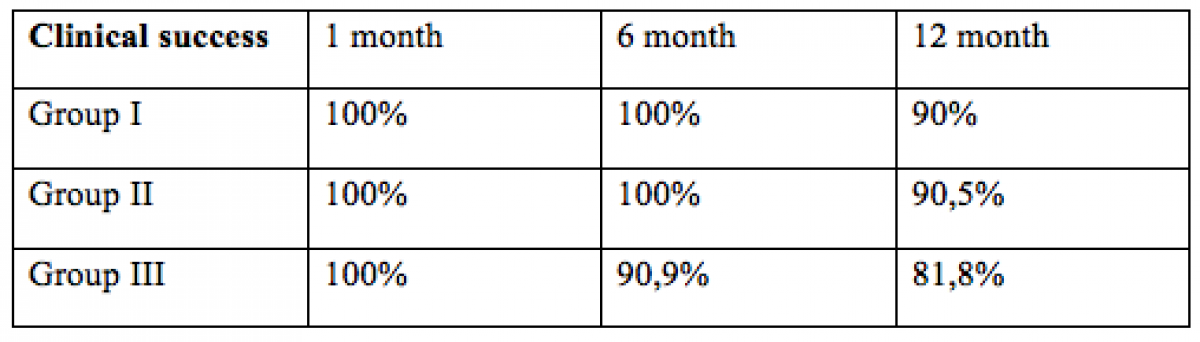
No statistically significant difference between the three groups was observed for the clinical success at 1, 6 and 12 months respectively.
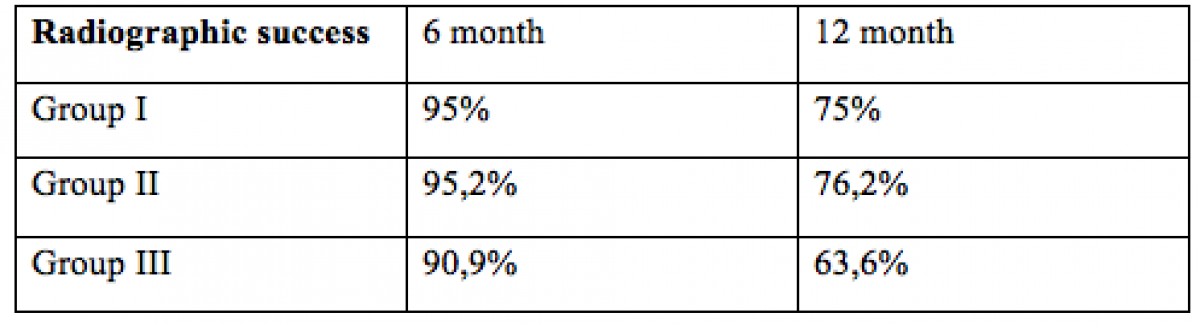
No statistically significant difference between the three groups was observed for the radiographic success at 6 and 12 months respectively.
Conclusion
On the basis of the overall success rates, it’s possible to conclude that all the tree different techniques were effective in the therapy of infected pulp and each of them can represent an alternative to pulpotomy in primary teeth. However more efficacy was obtained by the 3Mix antibiotic past with or without removal of radicular pulp.
For additional informations: Comparative evaluation of clinical and radiographic success of three different lesion sterilization and tissue repair techniques as treatment options in primary molars requiring pulpectomy: An in vivo study
 Read more
Products 22 October 2026
News 22 October 2026

Royal Philips (NYSE: PHG, AEX: PHIA), a global leader in oral healthcare, today announced the formation of the Philips Sonicare Global Clinical Advisory Board, a group of external
News 22 October 2026
Opalescence Launches Limited-Edition Teeth Whitening Flavors
Opalescence whitening , the #1-selling professional teeth whitening brand, is introducing two limited-edition flavors, available only while supplies last: Pumpkin Spice and Birthda
Editorials 22 October 2026
2025 in Review: Highlights from the CU Anschutz School of Dental Medicine
From collaborative research to exceptional patient care and education , 2025 was a year of innovation and impact at the University of Colorado Anschutz School of Dental Medicine.
Implantology 22 October 2026
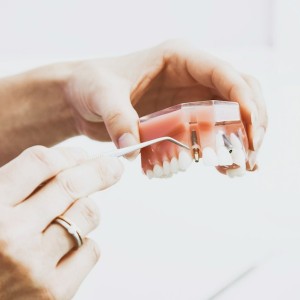
This peer-reviewed implantology article summarizes clinical evidence from Clinical oral implants research (2026). It focuses on findings that may help dental professionals evaluate treatment...



Copyright © 2026 - All Rights Reserved
ISSN 2767-1178