


The management of orthodontic reteiners and the role of the general dentist
Lara Figini
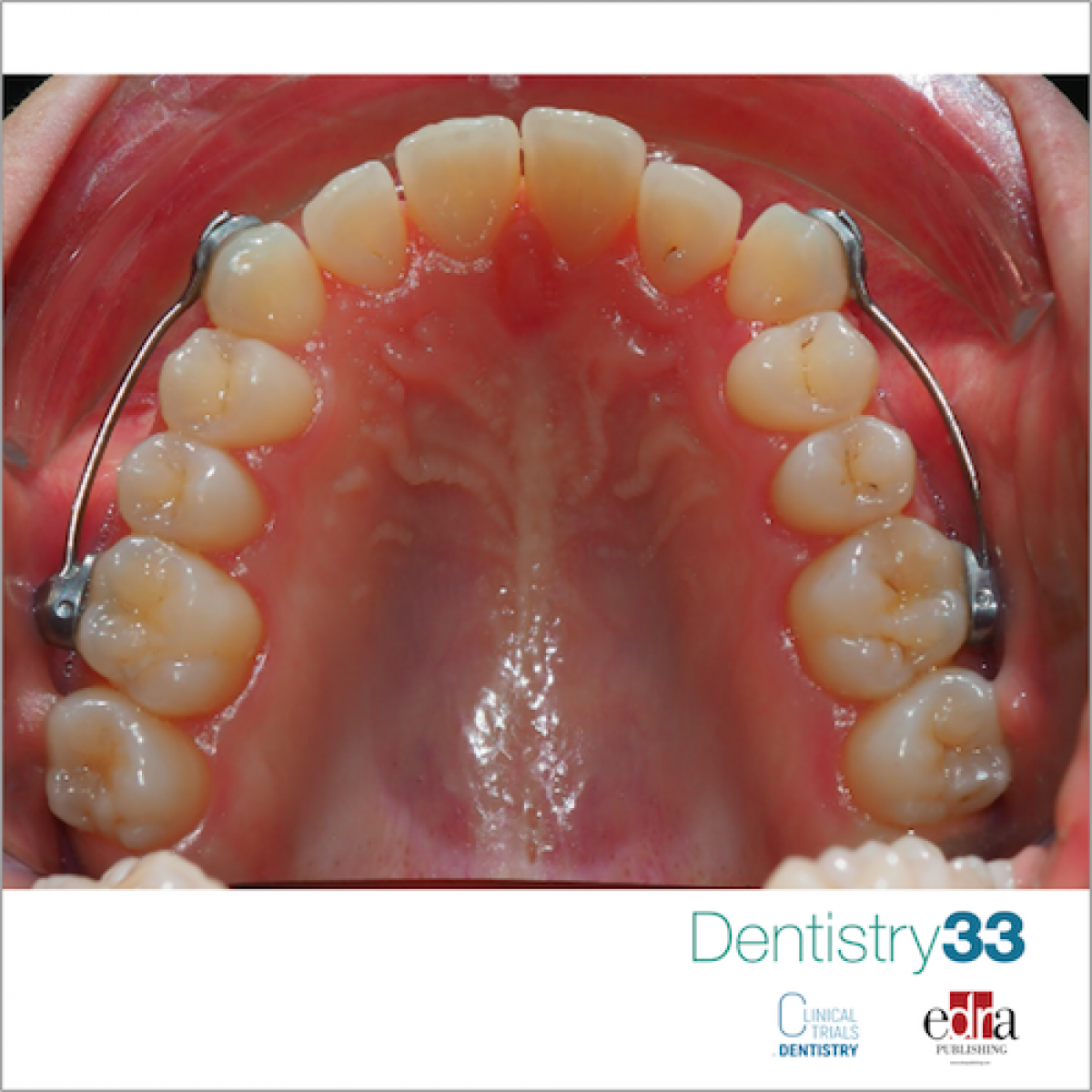
After correction of a malocclusion, there is a risk of recurrence both because unstable tooth movements have been made as part of orthodontic treatment, and because of other uncontrollable factors such as facial growth. Continued facial growth is part of the normal aging process and is known to occur well into middle age. It is therefore now widely accepted that most orthodontic patients require long-term fixed or mobile restraint to achieve ultimate orthodontic success. But once fixed or mobile restraint has been achieved, is it controlled in the long term? Does the general dentist check the orthodontic nets in his patients or does he forget about them? And above all in the face of the fracture or the need to carry out maintenance of the restraints, how does the general dentist (GDP) behave?
Materials and methods
In a study, published in the British Dental Journal in June 2021, the authors described how long-term orthodontic restraint is managed by general dentists (GDPs) in the UK. General dentists were asked to complete a short, 11-question online survey on how they manage long-term orthodontic retention, a questionnaire received via a notice published in the British Dental Journal and an email sent directly to members of a company. local dental clinic.
Results
Fifty-six GDPs completed the online survey. Overall, the results highlighted poor levels of communication between orthodontists and GDPs, who in summary take responsibility for the management of long-term orthodontic restraint.
In particular:
- Only 7.1% of general dentists said they "always" receive correspondence from the orthodontist to monitor orthodontic restraint devices at the end of treatment, while 44.6% answered "never".
- 62% of GDPs said they "never" receive specific information / guides from the orthodontist on how to monitor and manage fixed or mobile restraint equipment
- only 21.4% of GDPs answered "always" to the question whether they regularly check or inspect the restraint devices of their patients during their routine general dental check-ups and only 31.4% of these "always" register results in the medical record.
- 46.4% of general dentists said their patients "rarely" wear their removable restraints for examination during their routine general dental check-ups
- if the removable retention device was fractured, 25% of GDPs would refer the patient to an orthodontist as well as in the case of a fixed retainer detached from one or more teeth, while in the case of a fractured fixed mesh, 60.6% stated that he would refer the patient to an orthodontist
- 60% of GDPs stated that they would be comfortable applying a fixed lingual mesh in well aligned teeth
- 72% stated that it is the orthodontist's job to carry out orthodontic restraints.
Conclusions
From the data of this study, which must be confirmed in other similar studies, it can be concluded that with regard to the management of both fixed and mobile long-term orthodontic restraints, very little communication is between the general dentist and orthodontist, so they often fail. the controls over time of these equipment.
For additional information: Orthodontic retention and the role of the general dental practitioner
 Related articles

After correction of a malocclusion, there is a risk of recurrence both because unstable tooth movements have been made as part of orthodontic treatment, and because of other uncontrollable factors...
Read more

Continuous innovation across the DEXIS ecosystem helps clinicians work with greater clarity, confidence, and efficiency
News 23 October 2026

CrownPoint Partners announced the successful closing of a $9.2 million, five-property dental sale-leaseback portfolio located throughout Michigan.
News 23 October 2026
Dentsply Sirona, Midwest Dental Expand Technology Relationship

Beginning November 1, Dentsply Sirona will expand its long-standing relationship with Midwest Dental Equipment & Supply beyond consumables to include its complete technology portfo
Editorials 23 October 2026
Honoring Excellence: Graduation Awards for CU Anschutz Dental Students and Faculty

As the University of Colorado Anschutz School of Dental Medicine celebrates the graduating DDS Class of 2025, we are proud to recognize the students and faculty members whose excep
Implantology 23 October 2026
This peer-reviewed implantology article summarizes clinical evidence from Clinical oral implants research (2026). It focuses on findings that may help dental professionals evaluate treatment...



Copyright © 2026 - All Rights Reserved
ISSN 2767-1178