


Aligners Vs fixed devices : What influence do they have on periodontal health?
Luca Levrini

In the August 2018 issue of the journal JADA (Journal of the American Dental Association) a meta-analysis was published concerning the comparison of periodontal health in patients undergoing orthodontic treatment with orthodontic aligners compared to those undergoing treatment with fixed appliances.
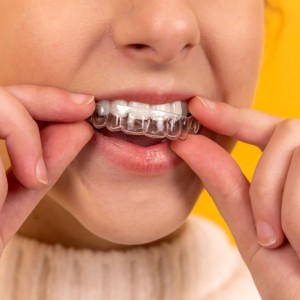
Fixed orthodontic appliances can facilitate plaque build-up and compromise gum health as bindings, wires and ligatures hinder brushing and reduce natural saliva cleansing.If patients fail to maintain good oral hygiene, the accumulated plaque could cause enamel demineralization and gingivitis. In contrast, orthodontic aligners can be removed from the mouth for proper tooth brushing and prophylaxis techniques, to the extent that they are associated with a reduced risk of caries and gingivitis. Not only therefore the possibility of cleaning teeth without impediments for those who use orthodontic aligners, but also the "automatic" need to wash teeth every time they are worn during the day, three or five times.
The published study arises from the collaboration between an Italian group (prof. Luca Levrini and Gian Marco Abbate) and a Chinese group from the University of Nanjing. This publication represents the conclusion of a series of investigations started thanks to a scholarship awarded by Align Technology in 2011 that allowed the development of the first researches of weaving and value in the relationship between gingivitis health and the application of orthodontic aligners.
MATERIALS AND METHODS
The authors systematically consulted conventional sources (PubMed, Web of Science, Cochrane Library and Embase) to collect studies related to this topic. After extracting the data and evaluating the quality of the research, they performed a meta-analysis and a trial sequential analysis. In particular, the authors used the Grading of Recommendations Assessment, Development and Evaluation system to evaluate the quality of the tests.
RESULTS
Nine studies have been included in the analysis. The results showed that orthodontic aligners are more suitable for periodontal health, including plaque index (mean difference [MD] 0.53, 95% confidence interval [CI] from 0.85 to 0.20, P 1/4 0.001), the gingival index (MD 0.27; 95% CI, 0.37 to 0.17; P <0.001) and probing depth (MD 0.35; 95% CI, from 0.67 to 0.03; P 1/4 .03), compared to fixed orthodontic devices.However, the outcome of the trial sequential analysis indicated a falsely positive meta-analysis result for probing depth. For these reasons the authors lowered the level of the tests due to the risk of prejudices and inconsistencies.
CONCLUSIONS
Within the limits of this systematic review, orthodontic aligners are better for periodontal health than fixed appliances, but with a medium quality of evidence. For this reason, high quality RCTs are required to produce a conclusive clinical recommendation. This consideration is important because it allows orthodontic aligners to be offered to patients with an important added value, not only efficiency of the occlusal result but also health and protection of hard tissues and tooth support.
For additional informations:
Periodontal health during orthodontic treatment with clear aligners and fixed appliances.
 Related articles
Orthodontics 21 August 2026
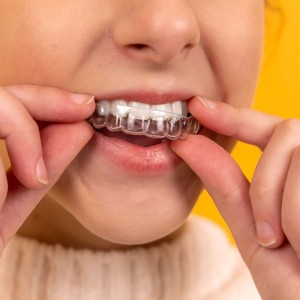
This peer-reviewed orthodontics article summarizes clinical evidence from Dental press journal of orthodontics (2026). It focuses on findings that may help dental professionals evaluate treatment...
Products 07 August 2026
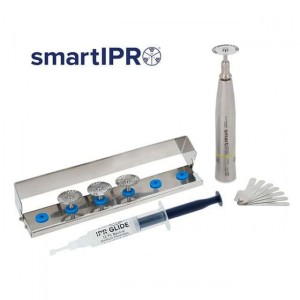
Partnership with Eversmile makes o scillating s ystem available through HSO in the United States.
Orthodontics 07 August 2026
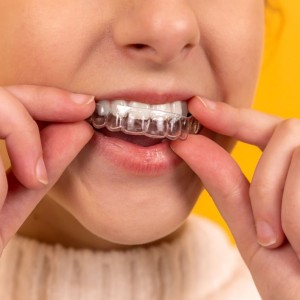
This peer-reviewed orthodontics article summarizes clinical evidence from Dental press journal of orthodontics (2026). It focuses on findings that may help dental professionals evaluate treatment...
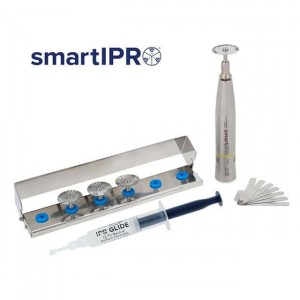
Partnership with Eversmile makes o scillating s ystem available through HSO in the United States.
Orthodontics 25 June 2026
This peer-reviewed orthodontics article summarizes clinical evidence from PloS one (2026). It focuses on findings that may help dental professionals evaluate treatment decisions, patient outcomes, or...
Read more

Jen Kim Field, chief sustainability officer at Henry Schein and president of the Henry Schein Cares Foundation, answers questions for Dentistry Today about the group’s achievements
News 12 October 2026
The education-first program offered learning for the entire dental practice, with practical insights spanning the full patient journey and focused on improving workflows, collabora
News 12 October 2026
AAO and Stand for the Silent Unite Communities This Month to Shine a Light on Bullying Prevention
Editorials 12 October 2026
Expanded coverage: Texas A&M’s Plemons named 2026 Texas Dentist of the Year

Sometimes a small act of generosity can make a tremendous impression, especially on a 7-year-old.
Endodontics 12 October 2026
This peer-reviewed endodontics article summarizes clinical evidence from Journal of dentistry (2026). It focuses on findings that may help dental professionals evaluate treatment decisions, patient...


Copyright © 2026 - All Rights Reserved
ISSN 2767-1178