


Suture materials: which one to choose?
Giulia Palandrani

Sutures are the most frequently used medical device for wound closure. Similarly to other materials being implanted in the human body, suture materials are also considered to be a foreign body and factor contributing to a larger incidence of infections due to its microbial adherence.
A study, published on Clinical Oral Investigations, compare four different suture materials used in oral surgery in terms of their biocompatibility, degree of bacterial colonization and inflammatory reaction, influence on wound healing, and basic clinical parameters.
MATERIALS AND METHODS
A total of 32 healthy patients indicated for surgical extraction of four totally impacted wisdom teeth were included in the study. Unilateral upper and lower wisdom teeth have been extracted at the same time. In the mandible envelope design for mucoperiosteal flap was used, and in the maxilla standard triangular flap was performed. Several interrupted sutures were placed in order to obtain primary wound healing.
After a period of 4–5 weeks, impacted molars from the other side were extracted with the same procedure.
Each wound was closed with a different suture material. Stitches were removed 7 days postoperatively.
Patients were given uniform postoperative instructions: Amoxicillin 500 mg and chlorhexidine solution 0.2%, three times a day for 7 days; Ibuprofen 400 mg four times a day for the first 2 days
Suture materials:
- Sofsilk® (non-absorbable natural multifilament wax coated silk; NA-Multi);
- Surgipro® (non-absorbable synthetic monofilament polypropylene; NA-Mono);
- Polysorb® (absorbable multifilament co-polymer of glicolide and lactide 9:1
- Lactomer® coated with Ca-stearate and Ε-caprolactone; A-Multi);
- Caprosyn® (absorbable monofilament co-polymer of E-caprolactone, glicolide, trimethylen carbonate, lactide 6:2:2:1
- Polyglytone 6221®; A-Mono).
RESULTS
All suture threads were analyzed using scanning electron microscopy (SEM), and substantially more amount of dental plaque was found on multifilament sutures. After the microscopic analysis the highest number of inflammatory cells was found around NA-Multi (Sofsilk®) and the smallest number around NA-Mono (Surgipro®). A total of 128 suture samples were examined for microbial adherence, and significantly lower amount of microbial load was found on monofilament compared to multifilament sutures with the least bacterial load registered on polypropylene (NA-Mono Surgipro®) suture. This is mainly due to its impeccably smooth surface. Study’s findings showed better healing around all synthetic materials NA-Mono (Surgipro®), A-Mono (Caprosyn®), and A-Multi (Polysorb®) compared to natural multifilament NA-Multi (Sofsilk®). NA-Mono (Surgipro®) caused the greatest discomfort to patients among all suture types and exhibited the least postoperative amount of slack. In this study the incidence of postoperative delayed infection was registered in 10 out of 128 wounds and 7 out of those 10 infected sites were in the group of multifilament sutures. It appears that physical configuration of the threads rather than its chemical composition plays a role in inflammatory reaction.
CONCLUSIONS
Minimal tissue-drag, easiness during knot tying, and a structure that is not affected by saliva and blood are the main reasons why the polypropylene suture (NA-Mono Surgipro®) was better than the alternative ones in this study. Very close to polypropylene suture was the A-Mono (Caprosyn®) which is the monofilament suture with exceptional pliability and ease of intraoperative handling. According to these results, whenever it is possible, it is strongly preferable to use synthetic monofilament sutures in order to obtain the best soft tissue healing, reduce the risk of postoperative infection, and alleviate the suturing after oral surgery procedures.
For additional informations:
Comparison of four different suture materials in respect to oral wound healing, microbial colonization, tissue reaction and clinical features-randomized clinical study.
 Related articles
Oral surgery 07 October 2026
This peer-reviewed oral surgery article summarizes clinical evidence from International journal of oral and maxillofacial surgery (2026). It focuses on findings that may help dental professionals...
Oral surgery 25 September 2026
This peer-reviewed oral surgery article summarizes clinical evidence from International journal of oral and maxillofacial surgery (2026). It focuses on findings that may help dental professionals...
Oral surgery 18 September 2026
This peer-reviewed oral surgery article summarizes clinical evidence from International journal of oral and maxillofacial surgery (2025). It focuses on findings that may help dental professionals...
Oral surgery 11 September 2026

This peer-reviewed oral surgery article summarizes clinical evidence from International journal of oral and maxillofacial surgery (2026). It focuses on findings that may help dental professionals...
Oral surgery 03 September 2026
This peer-reviewed oral surgery article summarizes clinical evidence from International journal of oral and maxillofacial surgery (2025). It focuses on findings that may help dental professionals...
Read more
Europe 11 October 2026 - 30 November -0001
Scandinavian Dental Fair 2026: Event Preview and Professional Highlights

The Scandinavian Dental Fair 2026 will take place from November 11, 2026 to November 13, 2026 in TBD, Sweden/Denmark, offering dental professionals a focused environment for continuing education,...
Edra Professional Books 10 October 2026
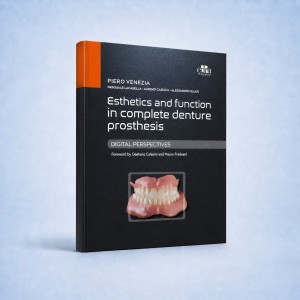
Esthetics and function in complete denture prosthesis is an Edra professional dentistry reference focused on clinical practice, education and treatment planning.
Products 09 October 2026
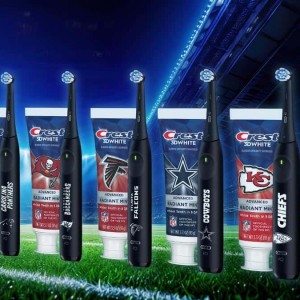
Oral-B and Crest, Official Oral Care Partners of the NFL, recently announced the launch of new special-edition products, giving fans even more ways to celebrate their love of the g
News 09 October 2026
Apex Dental Partners, a dental partnership organization supporting dentists and affiliated practices, has been named No.
News 09 October 2026

New education website and fully funded Swiss fellowship program debut at the 2026 Orthopaedic Trauma Association Annual Meeting in Nashville


Copyright © 2026 - All Rights Reserved
ISSN 2767-1178