


Upper lip neoformation – a clinical case
Co-authors: M. Mandaglio, D. Costa, E. Baruzzi, E.M. Varoni, S. Decani
Giovanni Lodi

A patient of 41 years comes to our observation, for special consultation regarding the neoformation at the level of the upper lip. The patient, non-smoker, follows a natural diet with daily consumption of fruit and vegetables. Medical history: allergy to dust mites and type 2 diabetes, in medical therapy with metformin. The patient reports the appearance of about asymptomatic neoformation at the level of the upper lip for about 3 months. At the intraoral objective examination there is a slight swelling in correspondence with the upper labial mucosa (Fig. 1), which becomes more evident following the eversion of the affected area (Fig. 2).

Fig. 1: Intraoral aspect: slight swelling of the right portion of the upper labial mucosa (highlighted by a circle and arrow)

Fig. 2: Tumefaction made more evident by exerting pressure on the skin
At palpation a new stretch of tensile-elastic consistency, about 5-6 mm diameter, is contained in depth in the thickness of the upper lip and movable with respect to the underlying and overlying surfaces. The lining mucosa does not show signs of pathological significance and the remaining mucous membranes of the oral cavity appear free of lesions. At extraoral level, the skin surface corresponding to the neoformation has a physiological appearance. On the basis of the clinical features of the lesion, the mucocele, the carcinoma tumors of the minor salivary glands and those of mesenchymal origin are placed in differential diagnosis.After obtaining the informed consent of the patient and after peer-reviewed anesthesia with a local anesthetic with a vasoconstrictor, the incision of the mucous tissues is carried out using the "cold" layer, a procedure that allows to highlight a whitish neoplasm, capsulated and easily cleaved from the surrounding tissues, with a diameter greater than about 5 mm (Fig. 3).

Fig. 3: Roundish whitish neoformation, axis greater than about 5 mm, of stretched-elastic consistency
Histopathological examination confirms the diagnosis of pleomorphic adenoma of the minor cell-type salivary glands. In the case discussed, the decision to perform an excisional biopsy was dictated by the characteristics of well-being of the neoformation itself and by the clear separation, observable intra-operatively, of the lesion from the surrounding healthy tissue, by interposition of the pseudocapsula.
Pleomorphic adenoma or mixed tumor is the most common benign tumor of salivary glands. It occurs more frequently in the parotid glands, approximately in 80% of cases, while the minor salivary glands are affected only in 7% of cases. Inside the oral cavity the most common site isconsisting of the palate (42.8-68.8%), followed by the upper lip (10.1%) and the genome mucosa (5.5%).The pleomorphic adenoma shows a slight predilection for the female sex, with a peak of prevalence between the fourth and the sixth decade of life. Clinically, it appears as a slow-growing, asymptomatic compact mass, generally delimited by a connective tissue pseudo-capsule and dominated by an integral and physiological appearance. The pleomorphic adenoma is logically characterized by the presence of both epithelial and mesenchymal elements. The elective therapy for pleomorphic adenomas of the minor salivary glands is represented by surgical excision.
 Related articles
Oral pathology 22 September 2026
This peer-reviewed oral pathology article summarizes clinical evidence from Oral oncology (2026). It focuses on findings that may help dental professionals evaluate treatment decisions, patient...
Oral pathology 17 September 2026
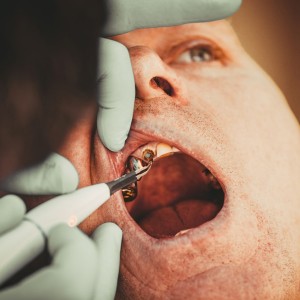
This peer-reviewed oral pathology article summarizes clinical evidence from BMC oral health (2024). It focuses on findings that may help dental professionals evaluate treatment decisions, patient...
Oral pathology 15 September 2026
This peer-reviewed oral pathology article summarizes clinical evidence from Oral oncology (2026). It focuses on findings that may help dental professionals evaluate treatment decisions, patient...
Oral pathology 08 September 2026
This peer-reviewed oral pathology article summarizes clinical evidence from Oral oncology (2026). It focuses on findings that may help dental professionals evaluate treatment decisions, patient...
Oral pathology 02 September 2026
This peer-reviewed oral pathology article summarizes clinical evidence from BMC oral health (2024). It focuses on findings that may help dental professionals evaluate treatment decisions, patient...
Read more
Europe 27 September 2026 - 30 November -0001
Digital Dentistry Society Global Congress 2026: Event Preview and Professional Highlights

The Digital Dentistry Society Global Congress 2026 will take place from October 22, 2026 to October 24, 2026 in TBD, Rotating Europe, offering dental professionals a focused environment for...
Editorials 27 September 2026
Dentistry33 survey highlights replacement care, deep caries and evolving restorative workflows
Reader survey finds direct composites remain dominant, secondary caries is the leading reason for restoration replacement, and clinicians want more training in pulp preservation
Reader survey finds direct composites remain dominant, secondary caries is the leading reason for restoration replacement, and clinicians want more training in pulp preservation
Edra Professional Books 26 September 2026
Manual of oral surgery: A Practical Reference for Dental Professionals

Manual of oral surgery is an Edra professional dentistry reference focused on clinical practice, education and treatment planning.
Products 25 September 2026
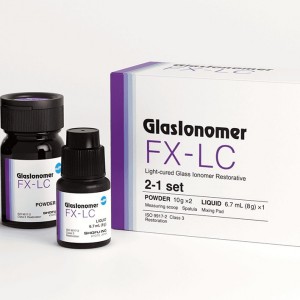
Shofu Dental’s line of dental restorative materials now includes FX-LC, a next-generation, light-cure, resin-reinforced glass ionomer formulated to deliver high strength, efficient 4
News 25 September 2026

The scholarships are part of an ongoing workforce solutions strategy to help address the need for skilled dental hygienists



Copyright © 2026 - All Rights Reserved
ISSN 2767-1178