


The effects of menopause on saliva and oral health status
Lara Figini
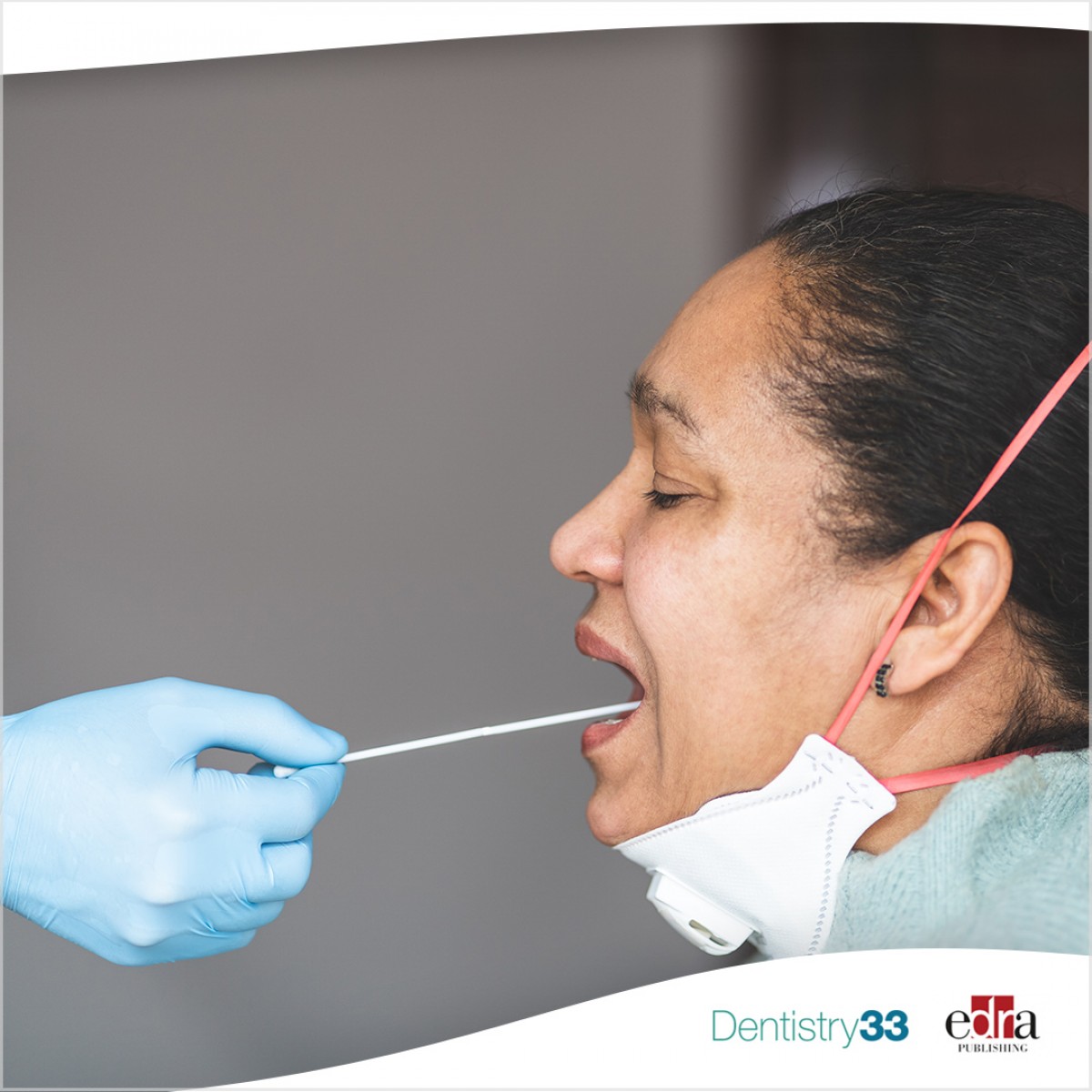
During approximately the fifth decade of a woman's life, a physiological process of menopause occurs which involves the permanent cessation of menstruation. These physiological changes occur due to the decreased production of estrogen by the ovaries in women as they progress to menopause.
There are several disorders that arise related to menopause including osteoporosis and a predisposition to heart disease. In menopause, women can also frequently develop various disorders of the oral mucosa.
Burning mouth syndrome, for example, is considered a frequent problem for women. Xerostomia, or dry mouth, is also a common finding among postmenopausal women.
Other less common symptoms associated with menopause include altered or bad taste, viscous saliva and mucosal disorders such as lichen planus, benign mucosal pemphigoid and Sjogren's syndrome.
These oral changes that occur during menopause can be caused by calcium and vitamin deficiencies, endocrine disorders and psychological factors.
Materials and methods
In a study by Mishra et. al published in the Journal of Pharmacy & BioAllied Sciences in November 2021, the authors evaluated the effects of menopause on saliva and oral health.
Eighty women were screened in the study, including 40 postmenopausal (Group I) and 40 non menopausal (Group II, control) women.
All study participants were screened using the Simplified Oral Hygiene Index (OHIS), the Decayed, Missing and Filled Teeth (DMFT) index and the Community Periodontal Index (CPI). Patients also received a loss assessment and periodontal attachment (LOA) and researchers assessed salivary pH and measurement of salivary flow.
Results
Oral symptoms were normal in 22 women in Group I and 40 women in Group II. Xerostomia was reported by 18 women in Group I and 0 women in Group II.
Salivary pH was normal in 20 women (Group I) and 40 women (Group II), and more acidic in 20 women in Group I. Salivary flow was normal in 21 (Group I) and 40 (Group II) women.
Hyposalivation occurred in 19 women in Group I. The OHI-S was good in 4 (Group I) and 25 (Group II) women, fair in 6 (Group I) and 10 (Group II), poor in 30 (Group I) and 5 (Group II).
The DMFT index was 1.42 (Group I) and 0.65 (Group II) for the presence of caries, 2.84 (Group I) and 0.26 (Group II) for missing teeth and 1.06 (Group I) and 0.52 (Group II) for filled teeth.
The average value of the CPI index was found to be 3.26 in Group I and 1.02 in Group II and the average LOA, respectively, was 1.42 and 0.46 in Groups I and II.
Conclusions
From the study findings, it can be concluded that in the postmenopausal period there is a decrease in salivary pH and salivary flow in women with consequent worsening of the following indices: OHIS, DMFT, CPI and LOA.
Clinical implications
Dentist should warn patients that changes in oral health may occur in the postmenopausal period, mainly due to salivary flow and saliva pH, factors that predispose patients to major gum, periodontal and other dental problems.
"Assessment of Effect of Menopause on Saliva and Oral Health Status." Richa Mishra et al. J Pharm Bioallied Sci. 2021 Nov; 13(Suppl 2): S1535–S1537. Published online 2021 Nov 10. doi: 10.4103/jpbs.jpbs_276_21
 Related articles
Products 22 October 2026
Products 06 October 2026
News 02 October 2026
PDS Health and United Concordia Launch Saliva Screening Pilot
United Concordia Dental and PDS Health®, leaders in oral health and dental-medical integration, respectively, launched a saliva screening pilot in Southern California earlier this
News 15 September 2026
PDS Health and United Concordia Launch Saliva Screening Pilot
United Concordia Dental and PDS Health®, leaders in oral health and dental-medical integration, respectively, launched a saliva screening pilot in Southern California earlier this
Products 24 August 2026

In this inaugural episode of Speaking of Dentistry , host Stan Goff, managing editor of Dentistry Today , sits down with Shannon Nanne, RDH—dental hygienist, educator, author, and
Read more
Products 26 November 2026
Kairos Health Helps Dental Practices Turn Patient Follow-Ups Into Scheduled Appointments

Kairos Health, a Y Combinator-backed company, offers AI voice agents that help dental practices follow up with patients, manage incoming calls, and fill their schedules.
News 26 November 2026
News 26 November 2026
More than 6,000 doctors and team members at Aspen Dental-branded practices cared for veterans on Nov.
Editorials 26 November 2026
Learning Through Service: The Impact of UCSF Dentistry's Community Externships
For more than 20 years, the UCSF School of Dentistry has sent predoctoral students to community clinics across the Bay Area and beyond through its Community-Based Clinical Educatio
Periodontology 26 November 2026
This peer-reviewed periodontology article summarizes clinical evidence from Journal of clinical periodontology (2026). It focuses on findings that may help dental professionals evaluate treatment...


Copyright © 2026 - All Rights Reserved
ISSN 2767-1178