


Covid-19: recommendations to be adopted in dental practices and university dental schools
Authors: S. Chirico, L. Breschi
Simona Chirico
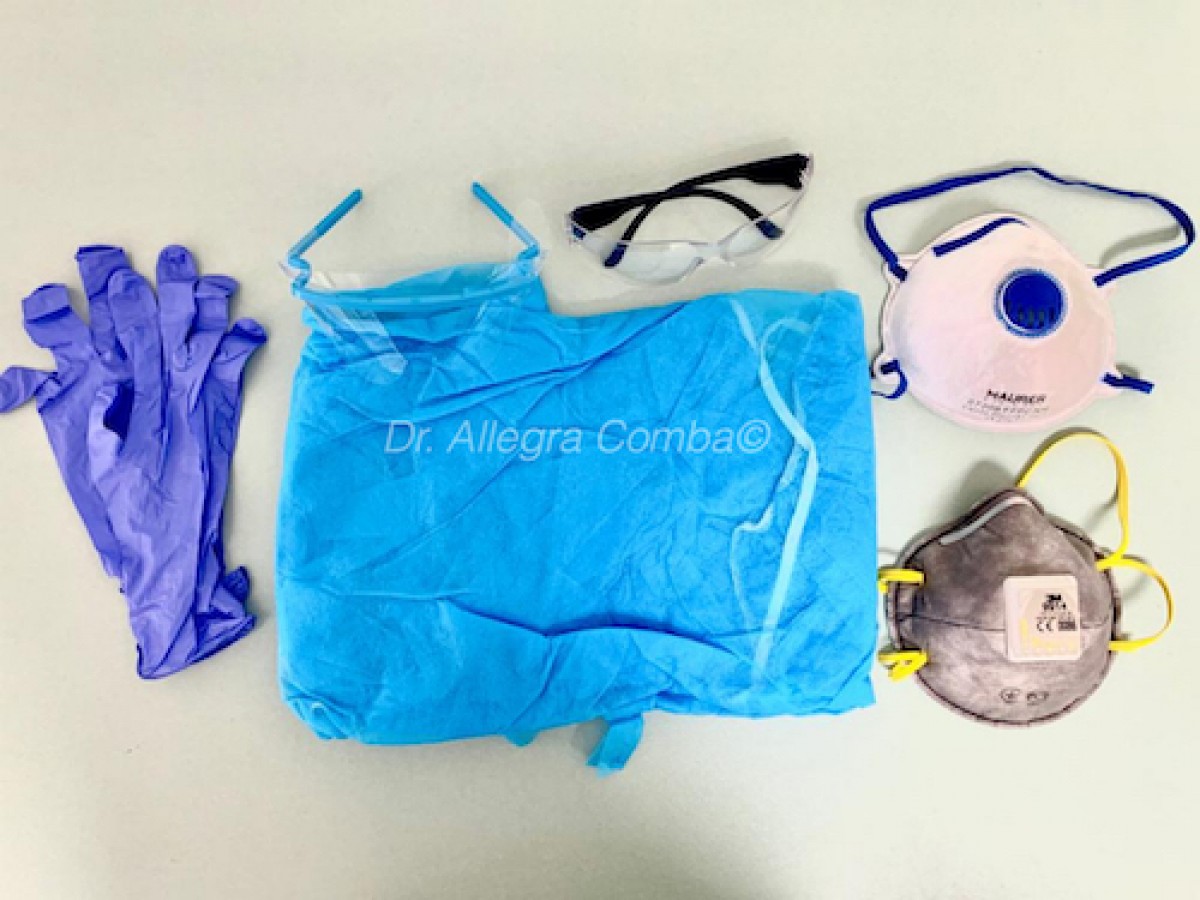
In these days of emergency, in which the epidemic of Coronavirus disease has dramatically affected not only Italy (the country in which we live), but the whole world, Prof. Breschi and I have decided to summarize the guidelines provided by the studies published in the International Scientific Journals in these last weeks, for dental practices and for University dental schools.
We know that Covid-19 virus can persist on surfaces from a few hours up to several days and that the main routes of transmission are: respiratory droplets, contact transmission and oral-fecal transmission.
To avoid the risk of transmission, these are the recommendations to be adopted in dental practices :
- limit the interventions to urgent cases only: to establish this, call the patient by telephone and investigate the present problem. If confirmed, investigate his general health and contacts in the last 14 days: fever >37.3 ° C, coughs, breathing difficulties, muscle pains, headaches in the last 14 days.
- hand hygiene: wash your hands frequently with an alcohol-based hand rub or wash them with soap and water.
- disinfection of all surfaces and clinical settings
- mouth rinse: 1% hydrogen peroxide or 0.2% povidone is recommended, for the purpose of reducing the salivary load of oral microbes, including potential Covid-2019 carriage.
- use rubber dam: the use of rubber dams can significantly minimize the production of saliva- and blood-contaminated aerosol or spatter. When rubber dam is applied, extra high-volume suction for aerosol and spatter should be used during the procedures along with regular suction
- personal protective devices: wearing disposable doctor cap, protective goggles, face shield, working clothes (white coat) with disposable isolation clothing or surgical clothes outside, disposable gloves and FFP2-standard masks set by the European Union.
Recommendations for dental schools :
- online lectures,
- online case studies,
- problem-based learning (PBL) online tutorials .
In conclusion, Prof. Breschi and I strongly believe that in this period of emergency, all of us, as dentists, must contribute to reduce the risk of Covid-19 infection, safeguarding the health of our patients, our collaborators and ourselves, respecting the rules that are given to us and staying at home.
For additional information:
- Transmission routes of 2019-nCoV and controls in dental practice
- Coronavirus Disease 2019 (COVID-19): Emerging and Future Challenges for Dental and Oral Medicine
 Tag
Tag
Related articles
Digital Dentistry 17 June 2025
Clinical relevance of digital dentistry during COVID-19 outbreak: a scoped review

o perform a scoped literature review on advantages of digital workflows in dentistry that could be widely adopted to address safety issues raised during the coronavirus (COVID-19) pandemic.
Oral pathology 23 December 2024
Oral Pathology in COVID-19 and SARS-CoV-2 Infection—Molecular Aspects

This review article was designed to evaluate the existing evidence related to the molecular processes of SARS-CoV-2 infection in the oral cavity.
Oral Hygiene & Prevention 07 August 2024
Dental Patient Management in the Context of the COVID-19 Pandemic: Current Literature Mini-Review

Considering dental data gain associated with COVID-19 in the last few months of 2020, it is highly important to provide an assertive critical literature review with the categorization and...
News 19 September 2023
Dentists report insurance reimbursement rates decreased: ADA research

Dentists report that dental insurance reimbursement rates have decreased over a span of 12 months, according to the August Economic Outlook and Emerging Issues in Dentistry poll from the ADA Health...
News 15 September 2023
Procter & Gamble, Colgate, GSK drive strong growth in oral care market: report
The global oral care market has experienced substantial growth, with an impressive increase to $45 billion in 2023.
Read more
Products 13 October 2026


New Resources Help Dental Exhibitors Evaluate Their Investment and Explore the Personify ShowFlow™ Trade Show Success System
News 13 October 2026

New patient apps extend The Aspen Group’s mission to remove barriers to care, giving patients greater visibility, convenience, and control from booking through treatment
Editorials 13 October 2026

The forerunner of what’s now Texas A&M College of Dentistry opened 120 years ago in Dallas with the mission of educating dentists to provide quality care to patients in North Texas
Oral pathology 13 October 2026
This peer-reviewed oral pathology article summarizes clinical evidence from Oral oncology (2026). It focuses on findings that may help dental professionals evaluate treatment decisions, patient...



Copyright © 2026 - All Rights Reserved
ISSN 2767-1178