


Impact of COVID-19 on patients with intellectual and developmental disabilities, implications for future practice
Background
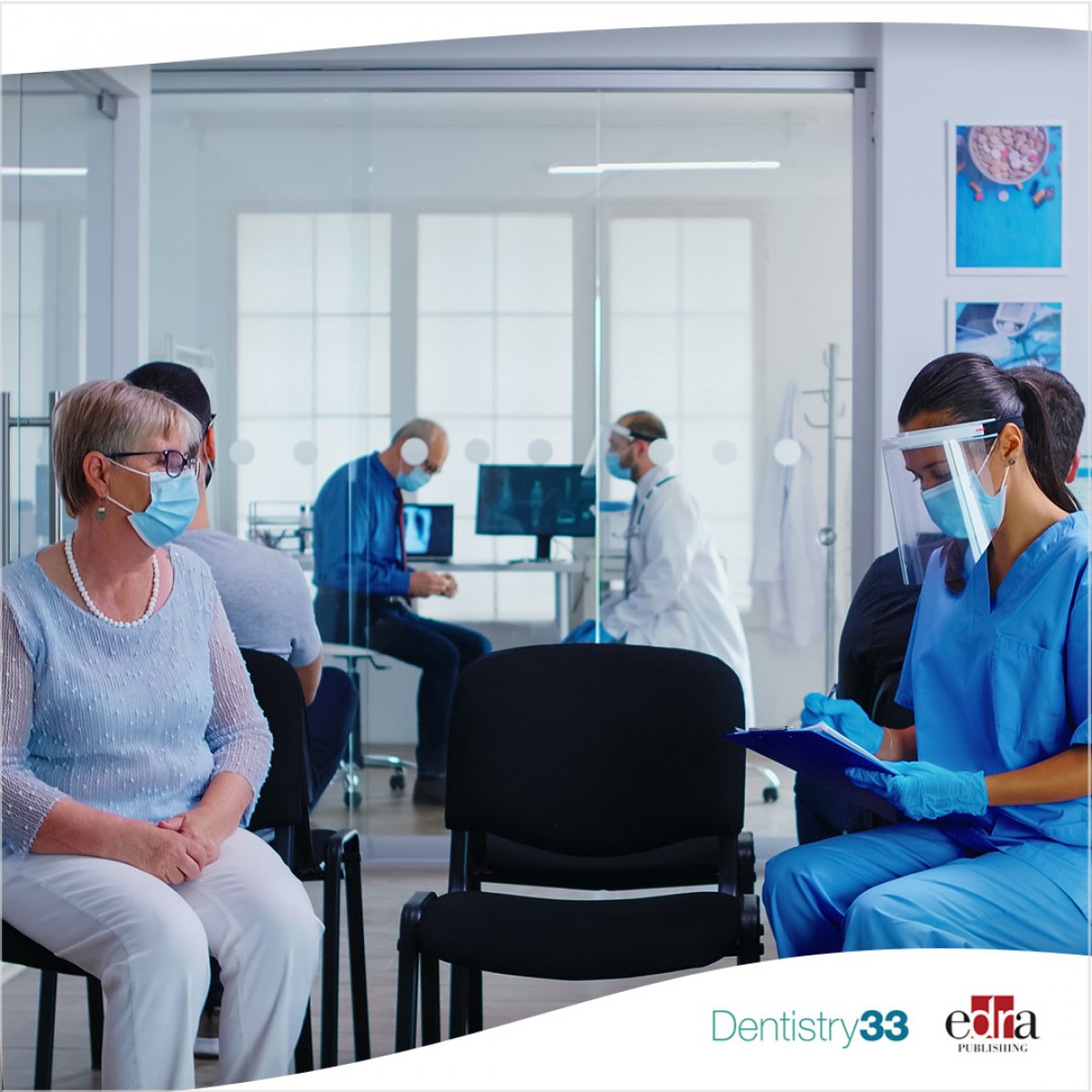
This article addresses the impact of the novel SARS-CoV-2 virus (COVID-19) on dental care for patients with intellectual and developmental disabilities (IDD).
In 2020, the novel SARS-CoV-2 virus (COVID-19) spread rapidly across the globe, uprooting the health-care system. COVID-19 is spread person to person via respiratory droplets, making the dental office a high-risk location due to the generation of aerosols during various procedures.
In March 2020, during the initial rise of COVID-19 cases in the U.S., the American Dental Association (ADA) aligned with the World Health Organization (WHO) recommendation to postpone routine dental care and to perform only emergency or urgent dental care to minimize the risk of spreading the virus.
Because of the increased understanding of personal protective equipment (PPE) and clinical strategies to reduce the spread, the ADA recommendations reintroduced routine dental care by August 2020. Consequently, nonemergent dental care was delayed by almost 6 months.
Public health issues
The authors discuss public health issues affected, including the limited number of providers and the decreased access to hospital operating rooms that resulted in a backlog of patients needing care.
People with IDD are a subset of those with special health care needs who have limitations in physical, behavioral, and cognitive abilities. This specific population was included with data evaluating patients with special health care needs in the 2020 Health Resources and Service Administration’s (HRSA) Maternal and Child Bureau’s (MCHB) National Survey of Children’s Health (NSCH).
According to the NSCH, 19.4% of children in the U.S. had a special health care need and addressed unmet health care needs It highlighted that children with special health care needs were four times as likely to have unmet health care needs, including needs across medical, dental, vision, hearing, and mental health care.
The limitations of providers who are comfortable and willing to provide treatment for patients with IDD are a multifaceted issue. The reasons range from dental professionals who have insufficient training and do not feel comfortable treating to those who prefer not to treat because of the additional time required to treat people with IDD. While federally qualified health centers (FQHC) and pediatric dentistry training programs are the main providers for pediatric patients with special needs, including IDD, these same patients may experience a lack of dental services as they transition into adulthood.
Practical implications
Recommendations are presented for continuity of care during a pandemic in traditional clinical care settings and, if needed, with general anesthesia. Desensitization, noninvasive and minimally invasive techniques are discussed as methods to support continuity of care.
The COVID-19 pandemic positioned dentists in a supportive role for first responders. It is vital to keep current with the COVID-19 pandemic and educate patients, including those with IDD and their families, outside their oral health to continue addressing public health issues during a pandemic and beyond.
The first responder's supportive role as a vaccination educator and administrator is also addressed as an opportunity to increase access to care for those with IDD.
Krystle P. Rapisura, Michael Y. Alanes, Megan N. Maher & Sarah Y. Lu (2023) "Impact of COVID-19 on Patients with Intellectual and Developmental Disabilities and Implications for Future Practice," Journal of the California Dental Association, 51:1, DOI: 10.1080/19424396.2023.2173879
 Related articles
Digital Dentistry 17 June 2025
Clinical relevance of digital dentistry during COVID-19 outbreak: a scoped review

o perform a scoped literature review on advantages of digital workflows in dentistry that could be widely adopted to address safety issues raised during the coronavirus (COVID-19) pandemic.
Oral pathology 23 December 2024
Oral Pathology in COVID-19 and SARS-CoV-2 Infection—Molecular Aspects

This review article was designed to evaluate the existing evidence related to the molecular processes of SARS-CoV-2 infection in the oral cavity.
Oral Hygiene & Prevention 07 August 2024
Dental Patient Management in the Context of the COVID-19 Pandemic: Current Literature Mini-Review

Considering dental data gain associated with COVID-19 in the last few months of 2020, it is highly important to provide an assertive critical literature review with the categorization and...
News 19 September 2023
Dentists report insurance reimbursement rates decreased: ADA research

Dentists report that dental insurance reimbursement rates have decreased over a span of 12 months, according to the August Economic Outlook and Emerging Issues in Dentistry poll from the ADA Health...
News 15 September 2023
Procter & Gamble, Colgate, GSK drive strong growth in oral care market: report
The global oral care market has experienced substantial growth, with an impressive increase to $45 billion in 2023.
Read more
Europe 27 September 2026 - 30 November -0001
Digital Dentistry Society Global Congress 2026: Event Preview and Professional Highlights

The Digital Dentistry Society Global Congress 2026 will take place from October 22, 2026 to October 24, 2026 in TBD, Rotating Europe, offering dental professionals a focused environment for...
Editorials 27 September 2026
Dentistry33 survey highlights replacement care, deep caries and evolving restorative workflows
Reader survey finds direct composites remain dominant, secondary caries is the leading reason for restoration replacement, and clinicians want more training in pulp preservation
Reader survey finds direct composites remain dominant, secondary caries is the leading reason for restoration replacement, and clinicians want more training in pulp preservation
Edra Professional Books 26 September 2026
Manual of oral surgery: A Practical Reference for Dental Professionals
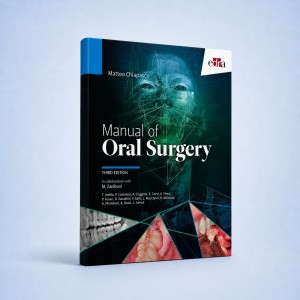
Manual of oral surgery is an Edra professional dentistry reference focused on clinical practice, education and treatment planning.
Products 25 September 2026
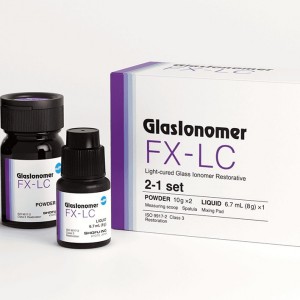
Shofu Dental’s line of dental restorative materials now includes FX-LC, a next-generation, light-cure, resin-reinforced glass ionomer formulated to deliver high strength, efficient 4
News 25 September 2026

The scholarships are part of an ongoing workforce solutions strategy to help address the need for skilled dental hygienists



Copyright © 2026 - All Rights Reserved
ISSN 2767-1178