


Coronectomy of mandibular third molars: systematic review.
Authors: Giuseppe Monaco, Michele Silecchia, Maria Rosaria Gatto, Elisabetta Vignudelli, Claudio Marchetti

Aims: The extraction of third mandibular molars is the most common surgical procedure performed in the oral cavity, but it is not lack of postoperative complications like iatrogenic nerve injuries. Coronectomy is a surgical procedure recommended by many authors to prevent damage to the inferior alveolar nerve during surgical extraction of lower third molars. The aim of this systematic and metanalysis review is to evaluate the incidence of neurological complications and post-operative infection following coronectomy of the mandibular third molars analyzing the results of the studies published from 2004 to 2019. These data will be compared to complete extractions, regarding neurological lesions and post-operative infection using the most recent scientific revisions.
Material and Methods
This study followed the guidelines of the PRISMA Statement andthe systematic review was conducted according to the PICO-based format, analyzing clinical studies involving patients undergoing coronectomy. The clinical question was: "Does the type of intervention (coronectomy or extraction) influence the incidence of post-operative infection and neurological complications?"
The systematic review with meta-analysis was performed on the basis of a PUBMED database research including the articles published from 2004 to 2019. The type of studies analyzed was: randomized clinical trials (RCTs), controlled clinical trials (CCTs); prospective cohort studies (PCSs) and retrospective studies (RSs) with or without control group and Case Series. After the application of inclusion and exclusion criteria, a total of 12 articles were included in the study. The following variables were assessed: lower alveolar nerve injury, lingual nerve injury, post-operative infection. The comparison of lesions and infections between extraction and coronectomy was performed using Fisher's exact test and chi-square test. The alpha significance level was a priori set at 0.05.
Results
A total of 12 articles were included in the study. Coronectomy results in significantly lesser loss of sensitivity of the inferior alveolar nerve and lingual nerve compared to complete surgical extraction. No differences were detected regarding the occurrence of post-operative infection between coronectomy and complete surgical extraction.
Conclusions
Coronectomy is a safety surgical option for the treatment of third mandibular molars in close proximity to the mandibular canal in order to reduce iatrogenic nerve injuries. In addition the risk of post-operative infections of this technique is similar to complete extraction.
 Related articles

Surgical extraction of impacted mandibular third molar is a common treatment performed with a therapeutic or prophylactic aim. Complications associated with this practice are various; nonetheless,...
Oral surgery 26 November 2021
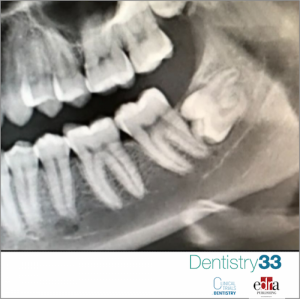
Impacted mandibular third molars (MTM) or in disodontiasis often cause various pathologies, such as pericoronitis, infections, caries of adjacent teeth, periodontitis, external root resorption and...
Oral surgery 07 October 2026
This peer-reviewed oral surgery article summarizes clinical evidence from International journal of oral and maxillofacial surgery (2026). It focuses on findings that may help dental professionals...
Oral surgery 25 September 2026
This peer-reviewed oral surgery article summarizes clinical evidence from International journal of oral and maxillofacial surgery (2026). It focuses on findings that may help dental professionals...
Oral surgery 18 September 2026
This peer-reviewed oral surgery article summarizes clinical evidence from International journal of oral and maxillofacial surgery (2025). It focuses on findings that may help dental professionals...
Read more
Products 14 October 2026
Royal Philips (NYSE: PHG, AEX: PHIA) announced that the Philips Sonicare Next-Generation DiamondClean 9900 Prestige, its most advanced and intelligent toothbrush to date, is now av

Key transaction by Heartland Dental and its supported practices expands opportunities for supported doctors, teams, and practices while strengthening Heartland Dental’s supported f
News 14 October 2026
Henry Schein Cares Celebrates 25 Years of Corporate Citizenship

Henry Schein Cares, Henry Schein, Inc.’s global corporate citizenship program, is celebrating a quarter century of bringing together Team Schein Members, customers, supplier partne
Editorials 14 October 2026
Scholarship at the CU Anschutz School of Dental Medicine reflects the collective contributions of our faculty, staff, residents and students.
Oral Hygiene & Prevention 14 October 2026
Propolis-containing formulations in caries prevention - a systematic review and meta-analysis.

This peer-reviewed oral hygiene & prevention article summarizes clinical evidence from Clinical oral investigations (2026). It focuses on findings that may help dental professionals evaluate...



Copyright © 2026 - All Rights Reserved
ISSN 2767-1178