


Dental implants with internal versus external connections: 10-year post-loading results of a pragmatic multicentre randomized controlled trial
Authors: Marco Esposito, Hassan Maghaireh, Roberto Pistilli, Maria Gabriella Grusovin, Sang Taek Lee, Federico Gualini, Jacopo Buti

PURPOSE. To compare the effectiveness of identical implants with internal or external connections.
MATERIALS AND METHODS. One hundred and twenty patients with any type of edentulism (single tooth, partial or total edentulism) requiring one implant-supported prosthesis were randomly allocated at four centres to two equal groups to receive either implants with external connection (EC) or implants of the same type but with internal connection (IC) (EZ Plus, MegaGen Implant, Gyeongbuk, South Korea). Due to slight differences in implant design/components, IC implants were platform-switched while ECs were not. Patients were followed up for 10 years after initial loading. Outcome measures were: any prosthesis/implant failures, complications, and marginal bone level changes, as assessed by blinded outcome assessors whenever possible.
RESULTS. Sixty patients received 96 EC implants and 60 patients 107 IC implants. Eight patients from the EC group and nine from the IC group dropped out, but all remaining patients were followed up to 10 years post-loading. Two EC patients experienced implant and prosthesis failures versus three IC patients (P = 0.631, diff = 0.02, 95% CI: -0.07 to 0.11). Fifteen complications occurred in 13 EC patients versus 13 complications in 11 IC patients (P = 0.720, diff. = -0.03, 95% CI: -0.19 to 0.13). There were no statistically significant differences in either prosthesis or implant failures or complications between the different connection types. Ten years after loading, both groups had lost a significant amount of bone (1.01 mm at EC implants and 1.27 mm at IC implants), but there was no statistically significant difference in estimated marginal bone levels between the two groups (diff. = 0.07 mm, 95% CI: -0.41 to 0.54 mm, P (ANCOVA) = 0.782).
CONCLUSIONS. Acknowledging the difference between EC and IC implants in terms of neck design and platform-switching, 10-year post-loading data revealed no statistically significant differences between the two connection types, and clinicians can therefore choose which they prefer.
 Related articles
Implantology 02 August 2021

Authors: Marco Esposito, Hassan Maghaireh, Roberto Pistilli, Maria Gabriella Grusovin, Sang Taek Lee, Federico Gualini, Jacopo Buti
PURPOSE. To compare the effectiveness of identical implants with internal or external connections.MATERIALS AND METHODS. One hundred and twenty patients with any type of edentulism (single tooth,...
Endodontics 02 February 2026
Implantology 20 January 2026
Smoking as a risk factor for dental implants and implant-related surgery

Cigarette smoking is known to adversely affect wound healing, and thus may jeopardize the success of dental implantation and implant-related oral surgery.
Products 27 November 2025
Neocis Unveils Next-Generation AI-Powered Robotic System for Dental Implants

Neocis, the pioneer behind the first and only U.S. FDA-cleared robotic system for dental implant surgery, today announced the launch and FDA approval of its next-generation robotic platform: Yomi...
Read more
Products 14 October 2026
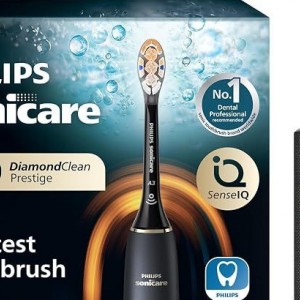
Royal Philips (NYSE: PHG, AEX: PHIA) announced that the Philips Sonicare Next-Generation DiamondClean 9900 Prestige, its most advanced and intelligent toothbrush to date, is now av

Key transaction by Heartland Dental and its supported practices expands opportunities for supported doctors, teams, and practices while strengthening Heartland Dental’s supported f
News 14 October 2026
Henry Schein Cares Celebrates 25 Years of Corporate Citizenship

Henry Schein Cares, Henry Schein, Inc.’s global corporate citizenship program, is celebrating a quarter century of bringing together Team Schein Members, customers, supplier partne
Editorials 14 October 2026
Scholarship at the CU Anschutz School of Dental Medicine reflects the collective contributions of our faculty, staff, residents and students.
Oral Hygiene & Prevention 14 October 2026
Propolis-containing formulations in caries prevention - a systematic review and meta-analysis.
This peer-reviewed oral hygiene & prevention article summarizes clinical evidence from Clinical oral investigations (2026). It focuses on findings that may help dental professionals evaluate...



Copyright © 2026 - All Rights Reserved
ISSN 2767-1178