


Tooth- and implant-related prognostic factors in treatment planning
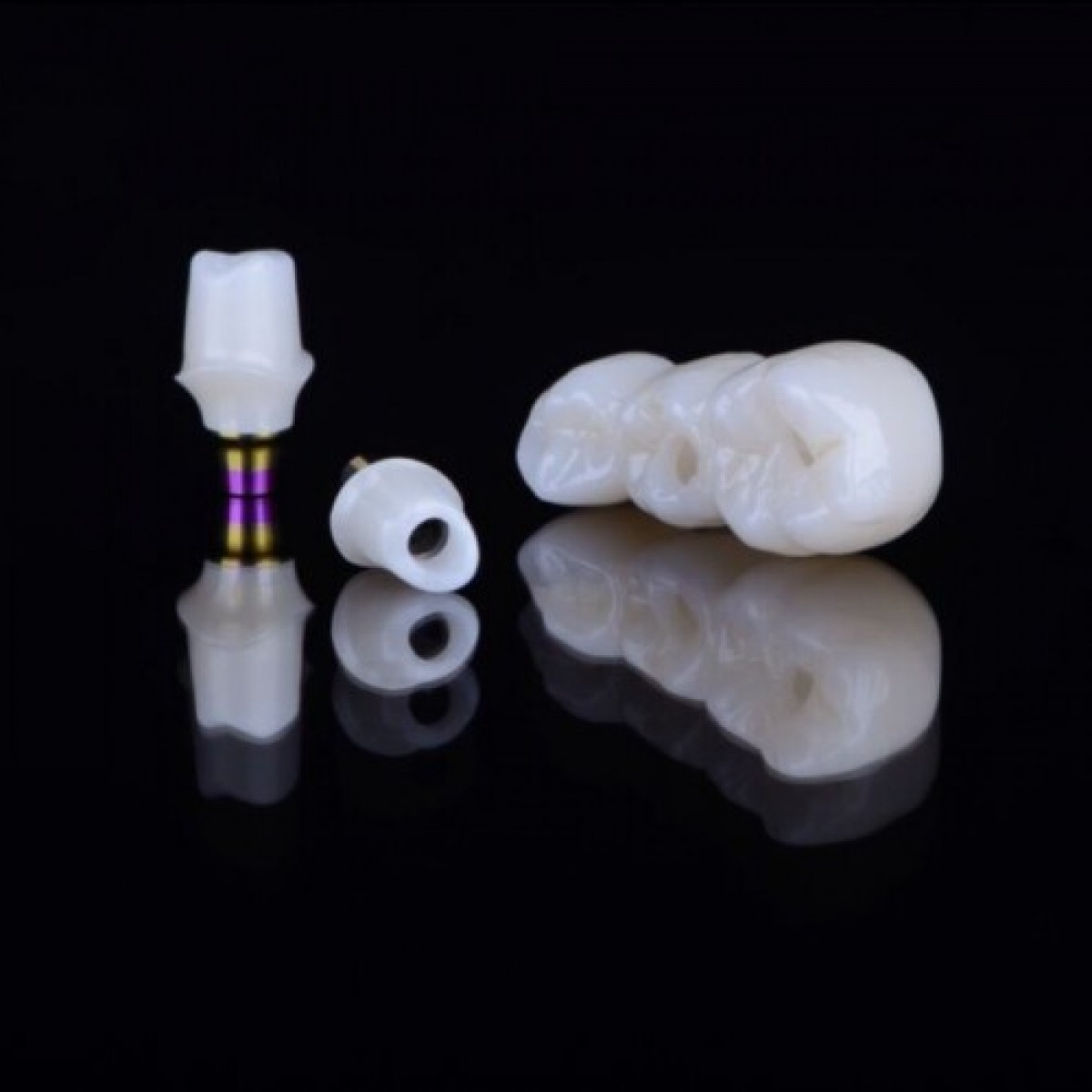
Following a comprehensive patient examination, including the assessment of periodontal and peri-implant diseases as well as considering the patient's needs, a pretherapeutic prognosis for each tooth and implant is given.
Teeth and implants with a secure pretherapeutic prognosis require simple procedures and may be regarded as secure abutments for function and with a doubtful pretherapeutic prognosis usually need a comprehensive therapy. Such teeth and implants must be brought into the category with a secure prognosis by means of additional therapy such as endodontic, restorative, and surgical procedures.
Teeth and implants with a hopeless pretherapeutic prognosis should be extracted/explanted during the initial phase of cause-related therapy (i.e., infection control). For example, teeth with vertical root fracture or unrestorable caries and implants with mobility or unrestorable malposition fall into the category of hopeless units. The primary goal of periodontal and peri-implant therapy should be to arrest disease progression. The latest consensus statement highlights that periodontitis can be successfully controlled and treated teeth can be retained for life.
Nevertheless, for patients with uncontrolled contributing factors, the endpoints might not always be achievable, and low disease activity may be an acceptable therapeutic goal. Similarly, the management of peri-implantitis frequently requires surgical intervention following nonsurgical therapy due to incomplete treatment outcomes.
Different surgical modalities can be effective and lead to significant improvement; however, achieving complete resolution of peri-implantitis is challenging, not always predictable, and can depend on multiple baseline factors. Therefore, this review aims at summarising available evidence on the rationale for incorporating systemic, lifestyle-related, clinical, and radiographic prognostic factors into treatment planning of patients diagnosed with periodontal and peri-implant diseases.
Authors: Anastasiya Orishko, Jean-Claude Imber, Andrea Roccuzzo, Alexandra Stähli, Giovanni E. Salvi
Source: https://onlinelibrary.wiley.com/
 Related articles
News 06 October 2026
America’s ToothFairy Launches 2026 My Smile Matters Campaign
Dental Hygiene Month campaign invites dental professionals and community advocates to celebrate dental hygienists, recognize outstanding service, and help children build healthier
News 29 September 2026
Eterna Regeneratives Raises Funding for Tooth Enamel Regeneration
UK startup Eterna Regeneratives has closed a seed investment round led by Hoxton Ventures and The Venture Collective (TVC) to build its regenerative biomaterial platform spanning e
Editorials 22 September 2026
Tooth travelers: Students sharpen their skills on dental mission trips over the summer breaks
A busy dental student scheduled to graduate next May, few would fault Mackenzie “Kenzie” Bankes for heading to Jamaica for a few lazy days to enjoy sandy beaches and misty mountain
Editorials 14 September 2026
Tooth travelers: Students sharpen their skills on dental mission trips over the summer breaks
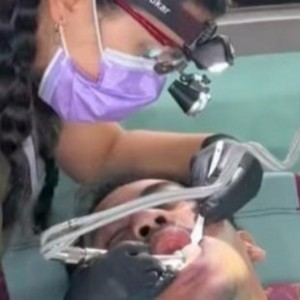
A busy dental student scheduled to graduate next May, few would fault Mackenzie “Kenzie” Bankes for heading to Jamaica for a few lazy days to enjoy sandy beaches and misty mountain
Products 11 September 2026

SURI, the design-led oral care brand creating everyday essentials designed for life, has launched SURI Core 1.0, a new sonic electric toothbrush designed to give more people an acc
Read more
Products 14 October 2026
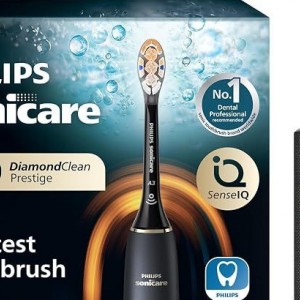
Royal Philips (NYSE: PHG, AEX: PHIA) announced that the Philips Sonicare Next-Generation DiamondClean 9900 Prestige, its most advanced and intelligent toothbrush to date, is now av

Key transaction by Heartland Dental and its supported practices expands opportunities for supported doctors, teams, and practices while strengthening Heartland Dental’s supported f
News 14 October 2026
Henry Schein Cares Celebrates 25 Years of Corporate Citizenship
Henry Schein Cares, Henry Schein, Inc.’s global corporate citizenship program, is celebrating a quarter century of bringing together Team Schein Members, customers, supplier partne
Editorials 14 October 2026
Scholarship at the CU Anschutz School of Dental Medicine reflects the collective contributions of our faculty, staff, residents and students.
Oral Hygiene & Prevention 14 October 2026
Propolis-containing formulations in caries prevention - a systematic review and meta-analysis.
This peer-reviewed oral hygiene & prevention article summarizes clinical evidence from Clinical oral investigations (2026). It focuses on findings that may help dental professionals evaluate...


Copyright © 2026 - All Rights Reserved
ISSN 2767-1178