


3D-Printed Temporary Wing Bride as a Temporary Restoration in the Posterior

The fear of a missing tooth often leads to postponing the visit at the dentist. While extraction itself is a major stressful experience for the patient, the presence of visible gaps or missing teeth inside or outside the aesthetic zone is a deal breaker for a lot of patients. Bridging the time spent until inserting any final restoration with a provisional enables the patients to still take part in everyday life.
This case report shows a new approach for a fixed dental provisional in the anterior region using a printed wing bridge approach to replace an extracted tooth. The provisional was prefabricated, and extraction and integration of the provisional could be placed in a single visit. The chosen approach shows the integrability of 3D printing in everyday practice providing immediate economical and aesthetic treatment.
Introduction
Tooth extraction can be a physically and psychologically challenging experience for patients. While various methods of anaesthesia, such as intrasulcular or intraosseous anaesthesia, are available, extractions can still lead to medical emergencies in dental offices. It is therefore essential for dentists and their staff to minimise patient stress during the procedure. Rapid but atraumatic extraction of the entire tooth is required, and patients expect gentle and painless treatment as well as immediate restorations, especially in aesthetic areas.
Various approaches to temporary restoration can be found in dental practice, with a provisional removable denture supported by the remaining teeth being the most common. However, more comfortable methods such as wing bridges or splints can replace one or two teeth. In addition to the classic function of replacing tooth structure during extraction and protecting it during prosthetic preparations, temporary restorations are becoming increasingly popular with patients for aesthetic reasons. The wing bridge is currently the most effective approach in terms of permanent fixation and a high aesthetic outcome, with various millable and grindable materials available for this purpose. Common complications associated with these types of dental bridges are debonding, tooth discoloration, or cavities. Overall, the survival rate is reported to be around 77% in 10 years.
Although permanent restorative materials can be used provisionally, their cost-effectiveness must be considered. To address the issues of cost-effectiveness and customisation, 3D-printed temporary restorations can be used instead. The longevity of printed temporaries still needs to be discussed. The ever-improving quality of 3D printers has increased the use and popularity of printable dental restorations, but long-term clinical results are not yet available.
Studies have shown the effectiveness of 3D-printed crowns as provisional restorations with expanded indications and approvals in recent years to include wing bridges.
However, the use of wing bridges has been limited to anterior teeth with sufficient oral bonding surface and exposure to low masticatory forces. This case report presents a new way of restoring a premolar.
Author: Richard Mosch, Maurice Hatzky, Patricia Hatzky, Constantin von See
Source: https://onlinelibrary.wiley.com/
 Related articles
Products 29 October 2024
LuxCreo and EMA Sleep Unveil Advanced 3D-Printed EMA Device for Sleep Apnea

LuxCreo, Inc., the leading platform for personalized medical and dental devices, has partnered with EMA Sleep, Inc. to scale and enable in-clinic advanced manufacturing of the industry-leading EMA...
Restorative dentistry 17 May 2024

Advancements in manufacturing technologies have revolutionized the fabrication of dental restorations and prostheses, allowing for enhanced material manipulation and improved geometric precision. In...
News 28 February 2024
Stratasys Teams with Express Dental to Donate 3D-Printed Dentures

Stratasys Ltd., a leader in polymer 3D printing solutions, announced today that it had partnered with Express Dental Labs of Norman, Oklahoma, at the recent Oklahoma Dental Association Mission of...
Digital Dentistry 07 September 2023

By Lorenzo Breschi and Carlo D’Alessandro
Limited information is available regarding the adhesive interface stability and overall efficiency of these new 3D-printed materials.
Pediatric dentistry 14 April 2026
Comparison between dexmedetomidine and esketamine in pediatric dentistry surgery
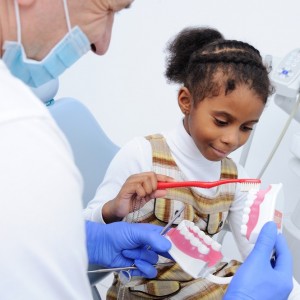
Dexmedetomidine (D) and esketamine (K) are used for the sedation of pediatric dental surgery. This study was designed to compare the effect of intranasal D and K in producing moderate sedation for...
Read more
Products 15 October 2026
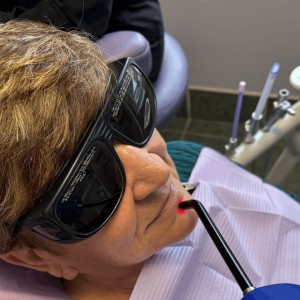
The belief in the healing power of light goes all the way back to ancient Egypt and the worship of Rah, the sun god.
Nearly half the world’s population is affected by oral disease—and the number of cases is rising.
News 15 October 2026

New office at 3170 R Street adds walk-in availability and same-day care options in a region where dental providers are in short supply
Each year, the University of Colorado Anschutz School of Dental Medicine (SDM) Excellence Awards recognize individuals whose dedication, leadership and innovation strengthen our mi
Oral surgery 15 October 2026
This peer-reviewed oral surgery article summarizes clinical evidence from International journal of oral and maxillofacial surgery (2026). It focuses on findings that may help dental professionals...



Copyright © 2026 - All Rights Reserved
ISSN 2767-1178