


Symptomatic irreversible pulpitis induces increased levels of NLRP3 in gingival crevicular fluid compared to saliva
Aim
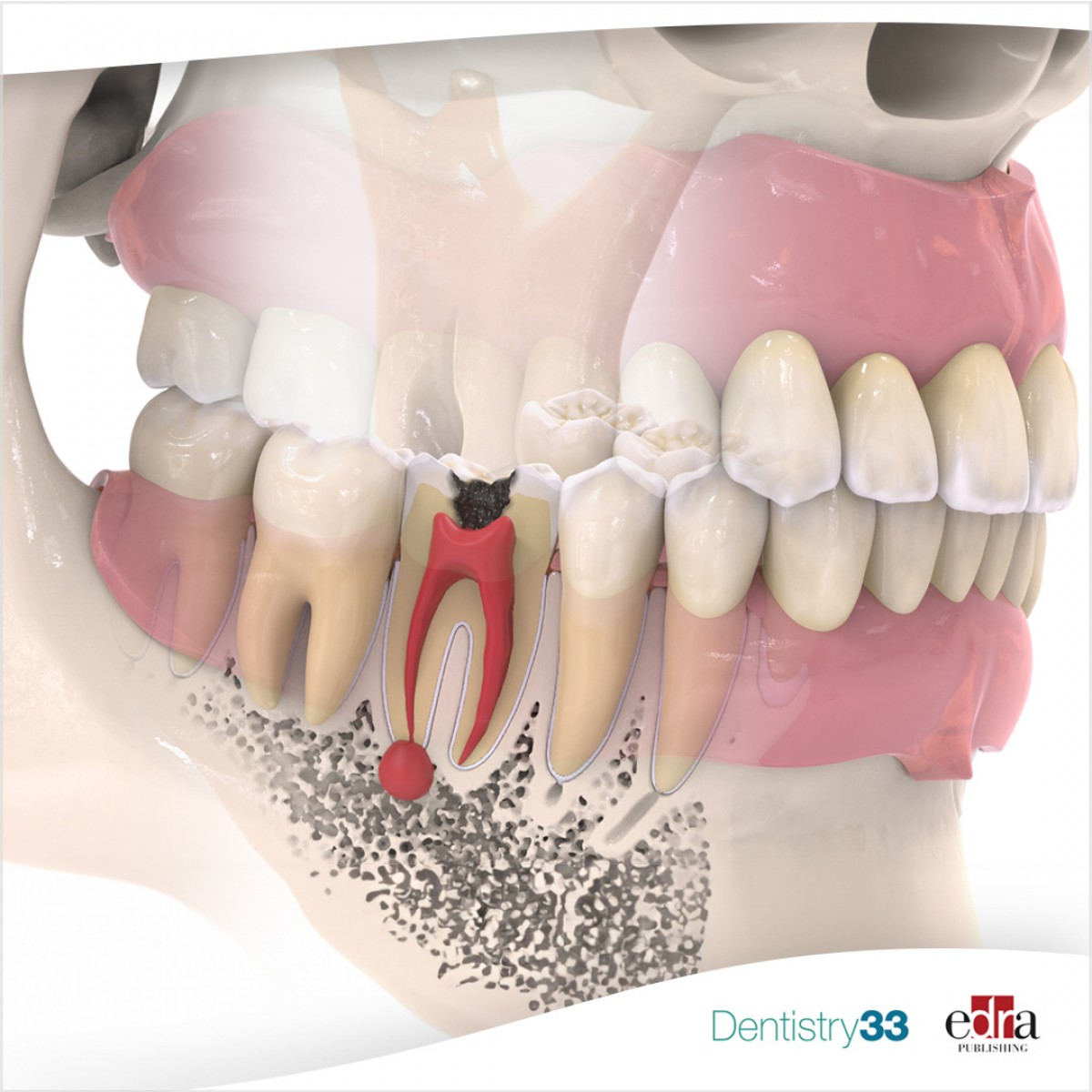
The goal of this case-control observational study was to compare the levels of the human nucleotide-binding domain, leucine-rich repeat, and pyrin domain-containing-3 (NLRP3) protein in the saliva and gingival crevicular fluid of patients with symptomatic irreversible pulpitis (SIP) and healthy controls.
Methods
The 16 patients in the control group were matched with the 16 patients in the SIP group to create a total of 32 patients. In addition to saliva, gingival crevicular fluid (n = 48) samples were collected from the involved tooth (n = 16), contralateral tooth (n = 16), and adjacent tooth (n = 16) in the SIP group.
Saliva and GCF were taken from the healthy group as a baseline. An independent t-test was used for statistical analysis. The random-intercept model was used to compare the average NLRP3 levels in the SIP tooth, adjacent tooth, and contralateral tooth taking age as a covariate, and the p-value was adjusted using Bonferroni correction.
Results
There were significantly higher levels of NLRP3 in the saliva of SIP patients (1.78 ± 1.14 ng/ml) compared to the healthy control (0.70 ± 0.70 ng/ml) and in the GCF of the involved tooth (5.72 ± 0.63 ng/ml) compared to healthy people (1.60 ± 0.42 ng/ml) (p <0.001).
In SIP patients the mean difference of NLRP3 levels between SIP and contralateral teeth was significant at 4.13 ng/ml [95% CI: 3.52 to 4.70 p<0.001] and a mean difference between adjacent teeth and contralateral teeth was significant at 3.53 ng/ml [95% CI: 2.94 to 4.12 p<0.001].
The NLRP3 in GCF and saliva had a negative association in the affected tooth but a negligible correlation in healthy controls.
Conclusion
The NLRP3 inflammasome has the potential to be employed as a molecular diagnostic biomarker for pulpal disorders.
Dax Abraham et al. "Symptomatic Irreversible Pulpitis induces increased levels of human NLRP3 in gingival crevicular fluid compared to Saliva- a case control observational study." Journal of Endodontics. 25 August 2023. DOI: https://doi.org/10.1016/j.joen.2023.08.013
 Related articles
News 02 October 2026
PDS Health and United Concordia Launch Saliva Screening Pilot

United Concordia Dental and PDS Health®, leaders in oral health and dental-medical integration, respectively, launched a saliva screening pilot in Southern California earlier this
News 15 September 2026
PDS Health and United Concordia Launch Saliva Screening Pilot

United Concordia Dental and PDS Health®, leaders in oral health and dental-medical integration, respectively, launched a saliva screening pilot in Southern California earlier this
Products 24 August 2026

In this inaugural episode of Speaking of Dentistry , host Stan Goff, managing editor of Dentistry Today , sits down with Shannon Nanne, RDH—dental hygienist, educator, author, and
Products 30 March 2026
A New Saliva Assessment Tool for Both Medical and Dental Professionals: FishburneTabs OH

Clinical dry mouth often goes undetected. People adjust to xerostomia¹, and drying changes may be gradual, making dry mouth (hyposalivation) a low priority for many healthcare professionals.
Products 05 November 2025
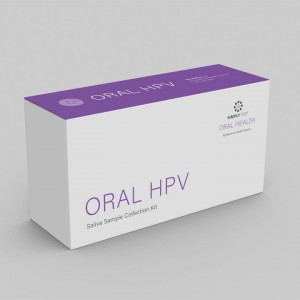
SimplyTest has launched a groundbreaking saliva-based test to detect high-risk strains of oral human papillomavirus (HPV), a major cause of oropharyngeal cancers.
Read more
Products 22 October 2026
News 22 October 2026

Royal Philips (NYSE: PHG, AEX: PHIA), a global leader in oral healthcare, today announced the formation of the Philips Sonicare Global Clinical Advisory Board, a group of external
News 22 October 2026
Opalescence Launches Limited-Edition Teeth Whitening Flavors
Opalescence whitening , the #1-selling professional teeth whitening brand, is introducing two limited-edition flavors, available only while supplies last: Pumpkin Spice and Birthda
Editorials 22 October 2026
2025 in Review: Highlights from the CU Anschutz School of Dental Medicine
From collaborative research to exceptional patient care and education , 2025 was a year of innovation and impact at the University of Colorado Anschutz School of Dental Medicine.
Implantology 22 October 2026
This peer-reviewed implantology article summarizes clinical evidence from Clinical oral implants research (2026). It focuses on findings that may help dental professionals evaluate treatment...



Copyright © 2026 - All Rights Reserved
ISSN 2767-1178