


Apical root resection: How long should it be?
Massimo Gagliani
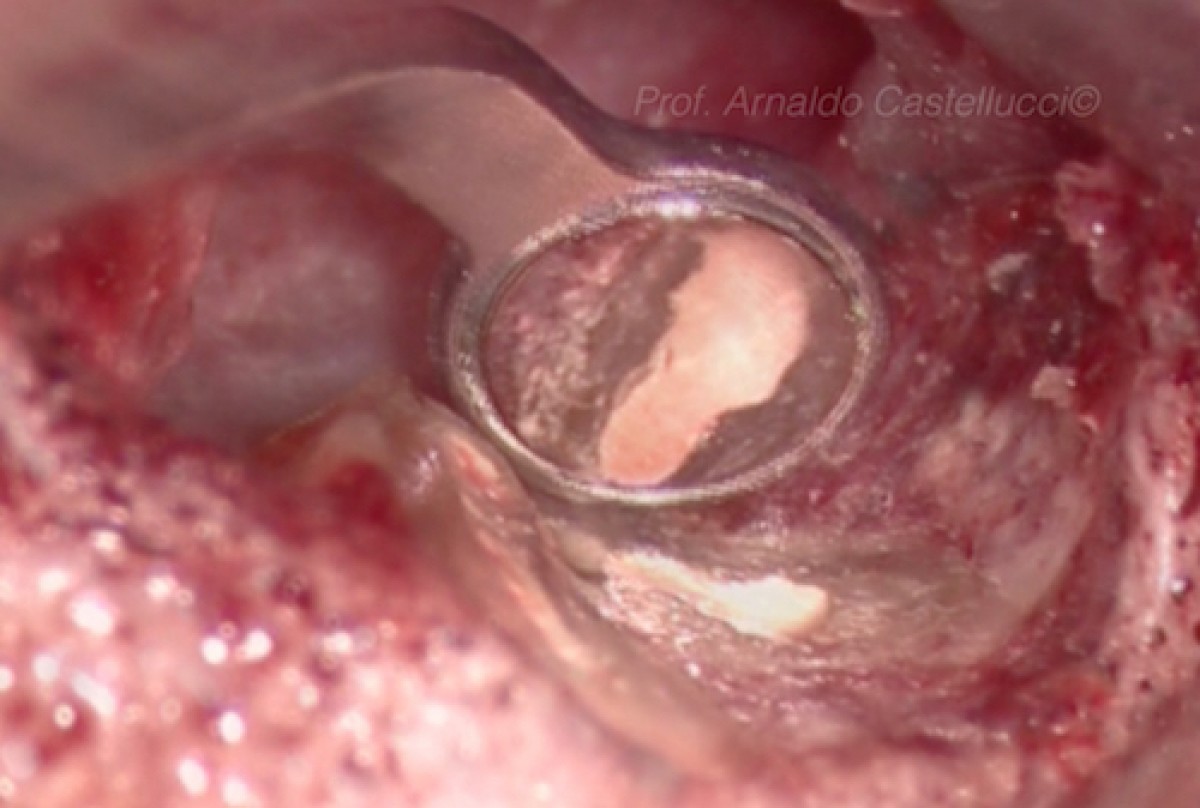
Saving anterior teeth is mandatory not only for esthetic reasons but also for the great problems that a prosthetic or implantological solutions imply. This is why the apical surgery in anterior teeth is a suitable solution to preserve the functionality of upper incisors teeth when the orthograde endodontic treatment may have a negative outcome.
The question is: how much should the apical resection be long when a periapical surgical intervention should be made?
A finite element analysis have been conducted by Ran et al, in an article published on International Endodontic Journal, to investigate the stress distribution and tooth displacement of a maxillary central incisor with various apical root resection lengths and occlusal relationships.
Materials and methods
the Authors took a maxillary central incisor and scanned it by micro‐CT.
First, the FE intact incisor model with dentine, enamel, pulp and root surrounded by alveolar bone and periodontal ligament was designed based on the micro‐CT image data. Then, six FE models with varying lengths of apical root resection were established to simulate the clinical treatment and reveal the clinically applicable limit of apical root resection during endodontic microsurgery.
For each model under different loading conditions, the maximum von Mises stress (σ max) at the root apex, root cervix, alveolar bone and periodontal ligament and the maximum tooth displacement (ΔR max) were calculated and compared.
Results
In a normal occlusion, more than 6 mm of root resection resulted in a marked increase in the ΔR max values (>10%) and σ max values of alveolar bone (>50%);
the stress levels at the root apex increased dramatically when the apical root was resected more than 7 mm.
With increased overjet, apical root resection did not change the stress level markedly until it reached 8 mm, but the ΔR max increased markedly (>10%) if the root was resected more than 5 mm. With deep overbites, the σ max increased significantly (>50%) when the root was resected more than 4 mm whilst the ΔR max decreased. With increased overjet and deep overbite, more than 6 mm of resection resulted in a substantial σ max increase (>50%) of alveolar bone and the ΔR max increased markedly (>10%) when the root was resected 8 mm. Additionally, the σ max and the ΔR max values were greater with increased overjet and lower with deep overbites.
Apical root resection of more than 6 mm resulted in a marked increase of stress distribution and tooth displacement in normal and increased overjet with deep overbite occlusal relationships.
In increased overjets or deep overbites, more than 5 mm or 4 mm, respectively, stress distribution and tooth displacement increased markedly.
Conclusion:
Before doing an apical surgery intervention the occlusal relationship analysis should be done as it greatly influences the final outcome of the tooth survival.
(Photocredit: Prof. Arnaldo Castellucci)
For additional informations: Effect of length of apical root resection on the biomechanical response of a maxillary central incisor in various occlusal relationships
 Tag
Tag
Read more
Products 25 September 2026
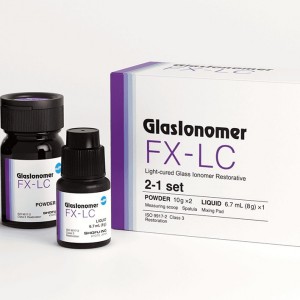
Shofu Dental’s line of dental restorative materials now includes FX-LC, a next-generation, light-cure, resin-reinforced glass ionomer formulated to deliver high strength, efficient 4
News 25 September 2026

The scholarships are part of an ongoing workforce solutions strategy to help address the need for skilled dental hygienists
News 25 September 2026

Michael Riccobene celebrates teamwork, community and more than 25 years of growth as one of sports’ most iconic trophies makes a special stop in Garner.
Editorials 25 September 2026

Oral surgery 25 September 2026
This peer-reviewed oral surgery article summarizes clinical evidence from International journal of oral and maxillofacial surgery (2026). It focuses on findings that may help dental professionals...



Copyright © 2026 - All Rights Reserved
ISSN 2767-1178