


Digital Dental Photography: A Contemporary Revolution
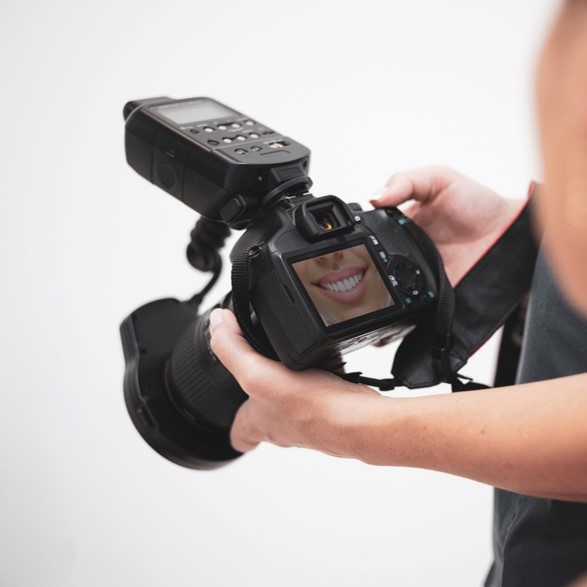
Introduction: Photographs are symbolic of memories and with the advent of digital photography it has become much easier to collect them in a second in a more comprehensive and qualitative manner. Technological advancements in the field of digital photography have revolutionized the concept of photography as a powerful medium of expression and communication. It also offers a spectrum of perception, interpretation and execution. Photography and dentistry go hand in hand for revelation of the hidden and overlooked defects in teeth and other parts of the cavity. This article emphasizes on the significance of digital photography in dentistry and guidelines for capturing orofacial structures and radiographs in a more accurate and informative manner.
Conclusion: Dental world constitutes of microstructures that have to be recorded in a detailed manner in order to perform patient education, documentation of records and treatment, illustration of lectures, publication and web connectivity of complicated cases.
Every photograph lacks expressional quality without a smile that is choreographed by dentists and due to the arrival of digitized systems it is easy to record miniature details about the pathology as well as the procedure that has to be carried out in a particular patient. Formulation of a proper diagnosis needs repeated insights in the data of patient, and this is made possible by the digital cameras. Digital cameras have numerous advantages over conventional photography like immediate and prompt accessibility to user via computers; instant errors can be spotted and retake in the same appointment, no illumination problem-no extra equipment, economic-no expenditure of films and its processing, can be easily transferred by electronic mails for consultation and are easy to store without worrying for fading of films, maintenance of study models and dental casts. Digital records have utmost importance to solve tedious forensic cases.
Digital photography is described as the images that are stored in a computerized file format referred to as a digital image file. It signifies a file format that is composed of a graphical image instead of text or program data. These images can be recorded in the form of bitmapped image (JPEG, PNG, GIF, TIFF and BMP) and vector based images used in paint or illustration programs. DICOM stands for Digital Imaging and Communications in Medicine, is a standardized worldwide program that provides a common language for formatting and exchanging medical and dental data efficiently.
Authors: Vela Desai, Dipika Bumb
Source: https://pmc.ncbi.nlm.nih.gov/
 Related articles
Endodontics 21 September 2026
This peer-reviewed endodontics article summarizes clinical evidence from Journal of dentistry (2026). It focuses on findings that may help dental professionals evaluate treatment decisions, patient...
USA 20 September 2026 - 30 November -0001

The American Academy of Implant Dentistry Annual Conference 2026 will take place from November 11, 2026 to November 14, 2026 in TBD, USA, offering dental professionals a focused environment for...
Editorials 20 September 2026
Dentistry33 survey shows small practices balancing growth, costs and technology modernization
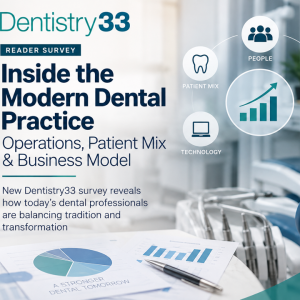
Reader survey finds solo and small practices remain prominent while staffing, rising costs and digital adoption shape business priorities
Reader survey finds solo and small practices remain prominent while staffing, rising costs and digital adoption shape business priorities
Edra Professional Books 19 September 2026
Piezoelectric surgery of impacted teeth: A Practical Reference for Dental Professionals

Piezoelectric surgery of impacted teeth is an Edra professional dentistry reference focused on clinical practice, education and treatment planning.
Oral surgery 18 September 2026
This peer-reviewed oral surgery article summarizes clinical evidence from International journal of oral and maxillofacial surgery (2025). It focuses on findings that may help dental professionals...
Read more
Products 21 September 2026
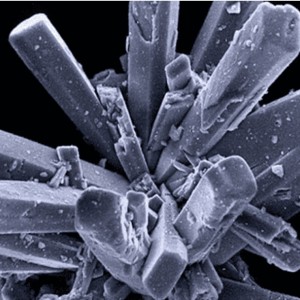
The OsteoGen™ Composite graft line uses the same biomimetic, bioactive crystal technology to harness the body’s ability to heal itself.
News 21 September 2026

The Aspen Group (TAG), a leading healthcare support organization headquartered in Chicago’s West Loop, today announced two key additions to its marketing leadership team: David Chr
News 21 September 2026

BlancOne® Click+ introduces a simple 10-minute professional teeth-whitening experience designed to integrate into existing hygiene appointments, helping dental practices create new
Editorials 21 September 2026

The new school year is in full swing at Texas A&M College of Dentistry, and that includes a host of faculty promotions and new hires and important happenings.
Endodontics 21 September 2026
This peer-reviewed endodontics article summarizes clinical evidence from Journal of dentistry (2026). It focuses on findings that may help dental professionals evaluate treatment decisions, patient...



Copyright © 2026 - All Rights Reserved
ISSN 2767-1178