


Esthetic-functional rehabilitation: orthodontics and restorative approach - a case report
Authors: PAPPALARDO DAVIDE, ZOTTI FRANCESCA, ANDRA POPA, FACCIONI PAOLO

Objective
Aim of this paper was to bring the attention to the feasibility of using unconventional and customized dental treatment helped by composite materials for direct restorations. In this particular case a multidisciplinary dental approach was taken to restore the upper dental arch of a young female with high esthetical demand, specifically an orthodontic nontraditional procedure was carried out to avoid traditional orthodontic appliance before to restorations.
Material and Methods
A 25 years old patient came to our attention asking for the alignment of the upper central incisors and closure of the diastemas present between all the anterior teeth of the upper arch. An alginate dental impression of both arches was taken and the intraoral and extraoral photographs required for planning the clinical case were captured. Esthetical parameters and occlusal relationship were registered. All records were evaluated and a treatment plan was developed in agreement with functional and esthetical parameters, thereafter the treatment plan was submitted to patient in order to obtain her approval. With her informed written consent, the treatment began.
Misalignment of upper central incisors was solved by using two palatal buttons positioned on elements 1.1 and 2.1 and applying a rotational force by means of metallic ligatures activated weekly for three months.
After orthodontics, a diagnostic wax-up was made to better understand proportion and reshaping of restorations.
A digital previsualization of final result was therefore performed using Keynote software in order to face the esthetical requirements of our young patient. Moreover a silicon index was built, based on diagnostic wax-up, to help the direct restoration phase performed using Ceramx composite resin (Ceram.x duo, Dentsply Sirona, Konstanz, Germany), as a result all the diastemas were closed and reshaping of elements from first left premolar to first right premolar was performed.
Results and Conclusion
The patient was immediately pleased with the final result both from aesthetic and functional point of view. She reported to be satisfied that it was possible to avoid the traditional orthodontic treatment and the removal of natural dental tissue. With this in mind it could be advisable to remind that new composite resins, thanks to their high esthetical performances, allow to respect biological tissues and to perform mimetic changes of smile. With this perspective, a clinician could manage each case with a wider approach including different disciplines in order to guarantee the best results to his patients, also in challenging situations. In this particular case it was possible to restore the upper arch in a young girl avoiding all invasive and nonreversible procedures.
Clinical significance
This clinical case aimed to bring to the attention the possibility to achieve high-standards oral rehabilitations in patients with high esthetical and functional requirements. This could be possible avoiding invasive procedures, dental tissue removal and prosthetic definitive rehabilitations. Moreover, this case could be of interest because highlights the feasibility to use orthodontics in a nonconventional and individualized way, especially when the patient does not cooperate and does not accept the traditional treatment. Furthermore, the economic cost of a short-term orthodontic procedure and of direct composite resin restorations make more appealing the treatment proposed.
 Tag
Tag
Read more
Products 23 September 2026
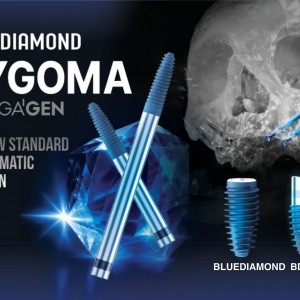
New zygomatic implant system brings MegaGen’s BLUEDIAMOND engineering, XPEED® surface technology, and flexible prosthetic solutions to complex full-arch rehabilitation.
News 23 September 2026
Inaugural GPO Partners include Unified Smiles, the Dentist Entrepreneur Organization (DEO), and Dental Purchasing Partners (DPP)
News 23 September 2026
Growing national network helps patients find local dentists trained to provide oral appliance therapy for obstructive sleep apnea.
Editorials 23 September 2026
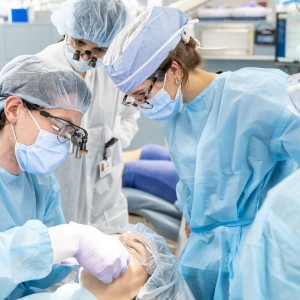
Students recently headed back to class for the current academic year, but Texas A&M College of Dentistry is looking ahead as deadlines approach for the dental Class of 2031 and the
Oral Hygiene & Prevention 23 September 2026
Propolis-containing formulations in caries prevention - a systematic review and meta-analysis.
This peer-reviewed oral hygiene & prevention article summarizes clinical evidence from Clinical oral investigations (2026). It focuses on findings that may help dental professionals evaluate...



Copyright © 2026 - All Rights Reserved
ISSN 2767-1178