


Peri-implant diseases: Consensus Report of the Sixth European Workshop on Periodontology
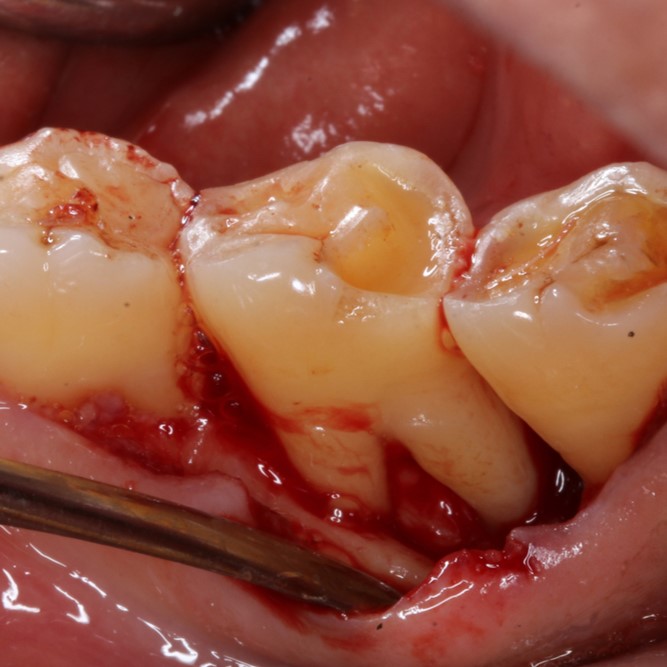
Issues related to peri-implant disease were discussed. It was observed that the most common lesions that occur, i.e. peri-implant mucositis and peri-implantitis are caused by bacteria. While the lesion of peri-implant mucositis resides in the soft tissues, peri-implantitis also affects the supporting bone.
Peri-implant mucositis occurs in about 80% of subjects (50% of sites) restored with implants, and peri-implantitis in between 28% and 56% of subjects (12–40% of sites). A number of risk indicators were identified including (i) poor oral hygiene, (ii) a history of periodontitis, (iii) diabetes and (iv) smoking. It was concluded that the treatment of peri-implant disease must include anti-infective measures. With respect to peri-implant mucositis, it appeared that non-surgical mechanical therapy caused the reduction in inflammation (bleeding on probing) but also that the adjunctive use of antimicrobial mouthrinses had a positive effect. It was agreed that the outcome of non-surgical treatment of peri-implantitis was unpredictable.
The primary objective of surgical treatment in peri-implantitis is to get access to the implant surface for debridement and decontamination in order to achieve resolution of the inflammatory lesion. There was limited evidence that such treatment with the adjunctive use of systemic antibiotics could resolve a number of peri-implantitis lesions. There was no evidence that so-called regenerative procedures had additional beneficial effects on treatment outcome.
Authors: Jan Lindhe, Joerg Meyle
Source: https://onlinelibrary.wiley.com/
 Related articles
Periodontology 07 June 2023
Peri-implant diseases diagnosis, prognosis and dental implant monitoring
The diagnosis of peri-implantar and periodontal relies mainly on a set of clinical measures and the evaluation of radiographic images. However, these clinical settings alone are not sufficient to...
Over six years, Align has contributed more than $2M to Operation Smile’s student programs to send the next generation of global health advocates to the world stage.
Periodontology 30 April 2026
The remit of this working group was to update the existing knowledge base in non-surgical periodontal therapy.
Periodontology 27 June 2025

Bone augmentation procedures to enable dental implant placement are frequently performed in practice.
Products 30 October 2024
CS 9600 CBCT System Wins its Sixth Cellerant Best of Class Technology Award
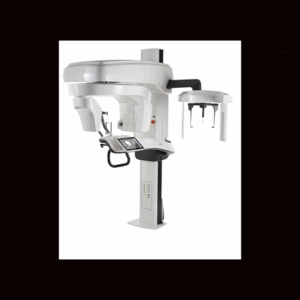
In a testament to ongoing innovation and industry-leading technology, Carestream Dental’s CS 9600 CBCT system has earned its sixth consecutive Cellerant Best of Class Technology Award, having won...
Read more
Europe 18 October 2026 - 30 November -0001
IDS Cologne 2027 in Cologne: Event Preview and Professional Highlights

The IDS Cologne 2027 will take place from March 16, 2027 to March 20, 2027 in Cologne, Germany, offering dental professionals a focused environment for continuing education, clinical updates and...
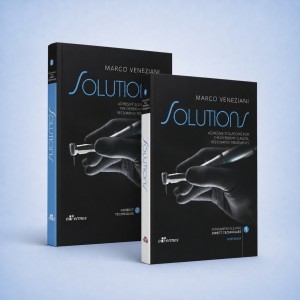
Solutions is an Edra professional dentistry reference focused on clinical practice, education and treatment planning.
Products 16 October 2026
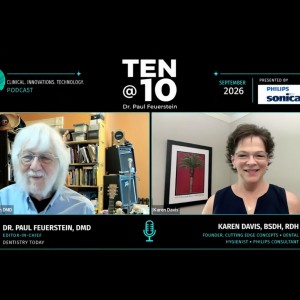
Karen Davis on Philips Sonicare DiamondClean 9900 Prestige & Smarter Brushing
News 16 October 2026
Align Technology to Report Q3 2026 Financial Results October 28
(Nasdaq: ALGN), a leading global medical device company that designs, manufactures, and sells the Invisalign® System of clear aligners, iTero™ intraoral scanners, and exocad™ CAD/C
News 16 October 2026
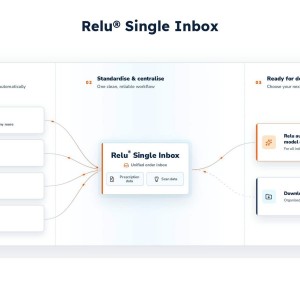
Fewer people on intake, faster turnaround, and no lost cases: Relu’s new automation captures and centralizes every scan and Rx from every source within a minute of arrival


Copyright © 2026 - All Rights Reserved
ISSN 2767-1178