


The Potential Use of Pharmacological Agents to Modulate Orthodontic Tooth Movement (OTM)
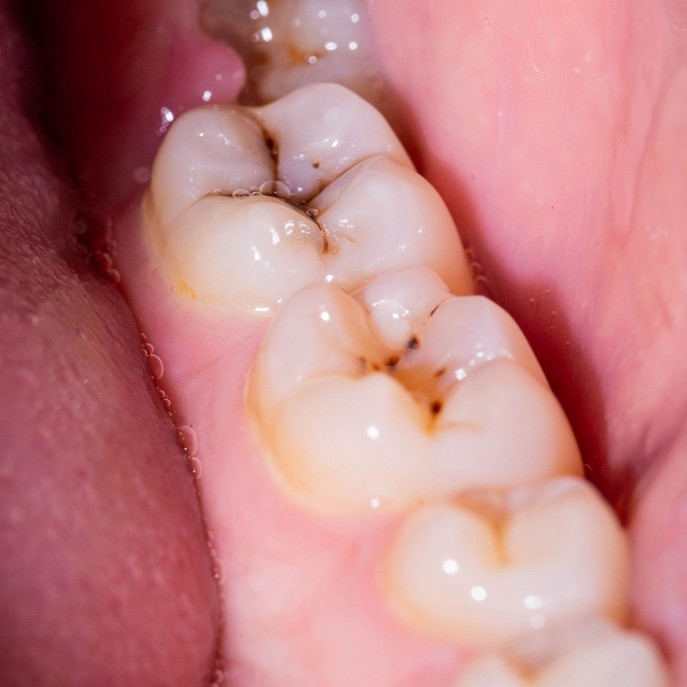
The biological processes that come into play during orthodontic tooth movement (OTM) have been shown to be influenced by a variety of pharmacological agents. The effects of such agents are of particular relevance to the clinician as the rate of tooth movement can be accelerated or reduced as a result. This review aims to provide an overview of recent insights into drug-mediated effects and the potential use of drugs to influence the rate of tooth movement during orthodontic treatment. The limitations of current experimental models and the need for well-designed clinical and pre-clinical studies are also discussed.
Introduction
During orthodontic treatment, the application of sustained force on teeth sets in motion processes that ultimately lead to alveolar bone remodeling. These biochemical processes involve a multitude of cellular and molecular networks (Ren and Vissink, 2008; Zainal Ariffin et al., 2011; d'Apuzzo et al., 2013; Patil et al., 2013). Pharmacological agents have the potential to interfere with the biochemical processes which govern tooth movement during, and stability after, orthodontic treatment. As a result, the possibility to accelerate/enhance OTM where needed (such as in areas of space closure) and to halt tooth movement where desired (to provide anchorage or to ensure positional tooth stability during the initial retention period) has attracted considerable interest in the field. Already in 1982 Yamasaki et al. showed that local administration of prostaglandins E1 or E2 accelerated experimental tooth movement in monkeys (Macaca fuscata) (Yamasaki et al., 1982).
In the present article we review reported experimental results on drugs that can modulate orthodontic tooth movement (OTM) and discuss the potential of pharmacological strategies aimed at supporting orthodontic interventions.
Authors: Thaleia Kouskoura, Christos Katsaros, Stephan von Gunten
Source: https://www.frontiersin.org/
 Read more

Jen Kim Field, chief sustainability officer at Henry Schein and president of the Henry Schein Cares Foundation, answers questions for Dentistry Today about the group’s achievements
News 12 October 2026
The education-first program offered learning for the entire dental practice, with practical insights spanning the full patient journey and focused on improving workflows, collabora
News 12 October 2026
AAO and Stand for the Silent Unite Communities This Month to Shine a Light on Bullying Prevention
Editorials 12 October 2026
Expanded coverage: Texas A&M’s Plemons named 2026 Texas Dentist of the Year
Sometimes a small act of generosity can make a tremendous impression, especially on a 7-year-old.
Endodontics 12 October 2026
This peer-reviewed endodontics article summarizes clinical evidence from Journal of dentistry (2026). It focuses on findings that may help dental professionals evaluate treatment decisions, patient...


Copyright © 2026 - All Rights Reserved
ISSN 2767-1178