


Nasopalatine Duct Cyst: case report and diagnostic considerations
Authors: Nadim Oliva, Giuseppe Di Martino, Dario Scarnò, Federico Guerri, Pietro Fusari

Cysts are composed of an inner epithelial portion containing a liquid secretion and of an outer connective wall. In 2017, the last World Health Organization (WHO) classification of odontogenic and maxillofacial bone tumors was published. Odontogenic and non-odontogenic cysts were classified in two main groups: (1) odontogenic cysts of inflammatory origin; (2) odontogenic and non-odontogenic developmental cysts. In particular, nasopalatine duct cyst (NDC) is included among non-odontogenic developmental cysts and it is the most common cyst in this group. This article describes a case report of NDC treated in our department concerning the most up to date clinical and epidemiological features.
Materials and methods
During April 2019, a 45 years patient was surgically treated for a nasopalatine duct cyst (NDC) of 2,3 cm. Clinical exam showed a palatal swelling elastic in consistency. Nevertheless, the patient was asymptomatic. All the four superior incisors were assessed through dental pulp test and the response was positive. Diagnostic hypothesis of nasopalatine duct cyst was formulated after having analyzed carefully both the first-level (orthopantomography) and the second-level (cone beam computed tomography) radiological exams. Then, surgical removal of the cyst was planned and these following steps were performed: local infiltration anesthesia, intrasulcular incision, full-thickness flap, mucoperiosteum detachment, access to the surgical site with straight handpiece and carbide bur, removal of the cyst and alveolar curettage. In conclusion, a primary healing was achieved performing simple interrupted stitches using a 4/0 polyglycolic acid suture. The patient was discharged after having provided him post-operative instructions and pharmacological therapy. In particular, antiseptic mouth rinse and anti-inflammatory drugs were prescribed. The sample was sent to anatomy pathology department to confirm the diagnosis. Clinical and radiological follow-up were at 1, 3, 6 and 12.
Results
Histopathological examination confirmed the diagnosis of NDC. Macroscopically, the biopsy specimen appeared as a thin grey lesion. With a maximum dimension (diameter) of 2,3 cm. From the microscopic point of view, the examinated sample was characterized by a paucistratified architecture formed by cubic cells, some with “terminal plate” structure. Clinical and radiographic follow-up showed an increasing and full regeneration of both soft and hard tissues. Neither intra-operatory nor post-operatory complications were detected.
Conclusions
In conclusion, surgical removal of NDC is the gold standard treatment. The literature reported a recurrence rate that ranged from 0% to 11%. It can’t be made NDC diagnosis without histopathological examination.
Clinical significance
Although nasopalatine duct cyst is characterized by a low incidence, it is one of the most common developmental cysts. Therefore, the knowledge of diagnostic features and gold standard treatment allows clinicians to treat it correctly.
 Related articles

Authors: Nadim Oliva, Giuseppe Di Martino, Dario Scarnò, Federico Guerri, Pietro Fusari:
Cysts are composed of an inner epithelial portion containing a liquid secretion and of an outer connective wall. In 2017, the last World Health Organization (WHO) classification of odontogenic and...
Digital Dentistry 20 April 2026
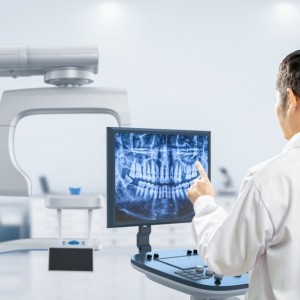
To report a fully digital and guided immediate-load All-on-4 protocol conducted in Brazil on a 59-year-old male patient with an edentulous maxilla and a history of oropharyngeal cancer surgery,...
Endodontics 13 January 2026
Regenerative endodontic treatment has provided a treatment option that aims to allow root maturation.
Oral surgery 22 December 2025

A very uncommon kind of ameloblastoma that combines a traditional follicular or plexiform subtype with solid-type ameloblastoma and desmoplastic features is emerging as a distinct entity.
Endodontics 05 October 2025
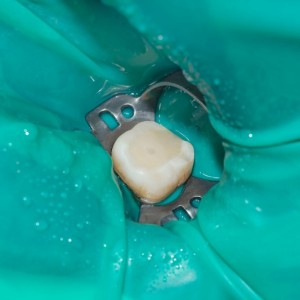
Regenerative endodontic procedures (REPs) associated with apical surgery could represent an alternative treatment strategy for patients whose teeth present incomplete root formation and extensive...
Read more
Products 14 October 2026
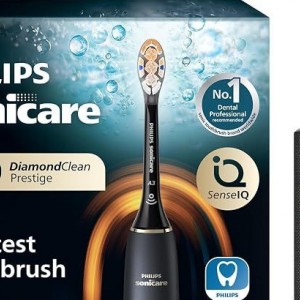
Royal Philips (NYSE: PHG, AEX: PHIA) announced that the Philips Sonicare Next-Generation DiamondClean 9900 Prestige, its most advanced and intelligent toothbrush to date, is now av

Key transaction by Heartland Dental and its supported practices expands opportunities for supported doctors, teams, and practices while strengthening Heartland Dental’s supported f
News 14 October 2026
Henry Schein Cares Celebrates 25 Years of Corporate Citizenship

Henry Schein Cares, Henry Schein, Inc.’s global corporate citizenship program, is celebrating a quarter century of bringing together Team Schein Members, customers, supplier partne
Editorials 14 October 2026
Scholarship at the CU Anschutz School of Dental Medicine reflects the collective contributions of our faculty, staff, residents and students.
Oral Hygiene & Prevention 14 October 2026
Propolis-containing formulations in caries prevention - a systematic review and meta-analysis.

This peer-reviewed oral hygiene & prevention article summarizes clinical evidence from Clinical oral investigations (2026). It focuses on findings that may help dental professionals evaluate...



Copyright © 2026 - All Rights Reserved
ISSN 2767-1178