


Lower incisor extraction: an alternative approach
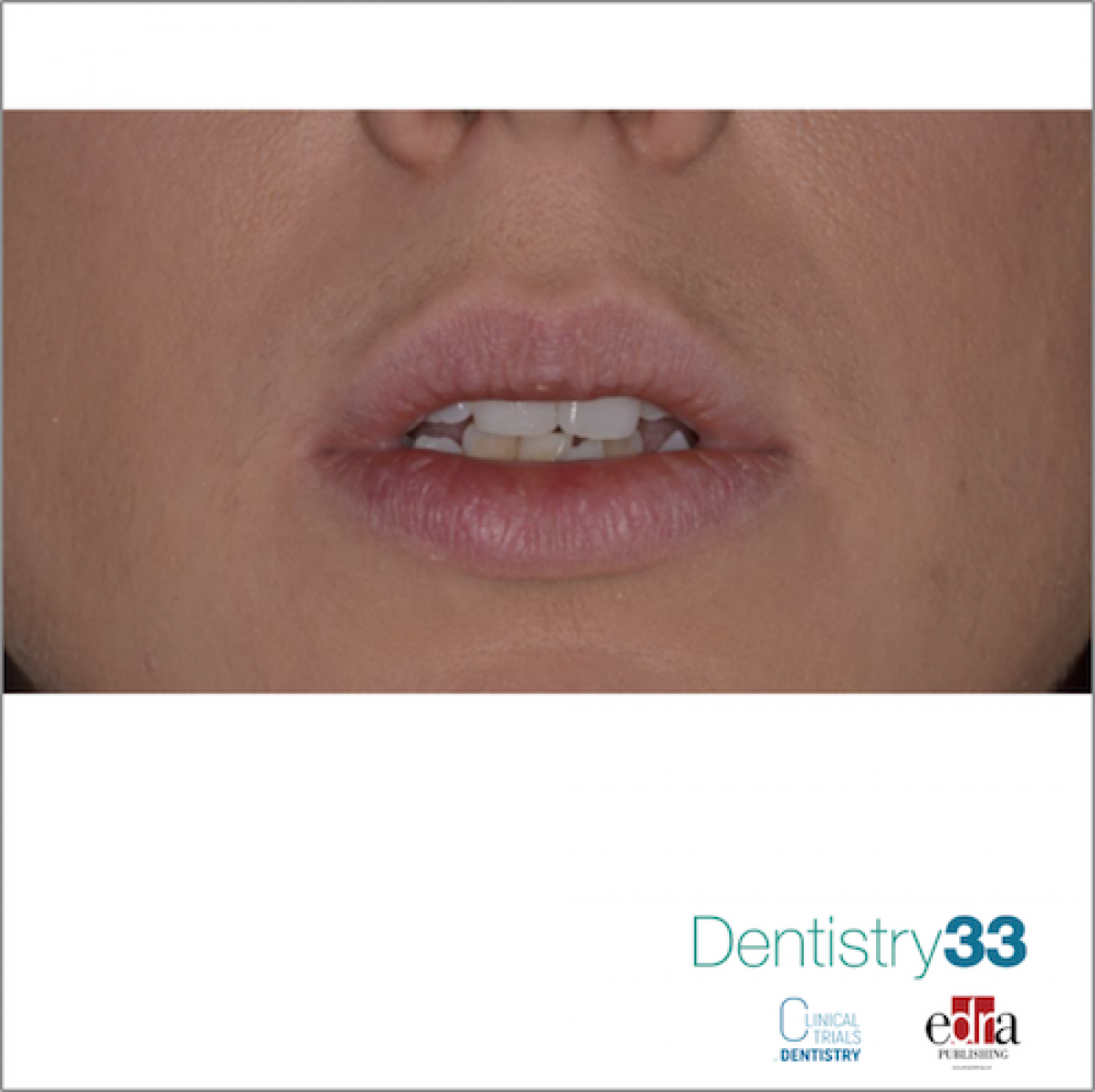
The extraction of a lower incisor in orthodontic is uncommon and, in many instances can hold a felling of trepidation. In many cases it can be an excellent alternative to two premolar extractions with greater efficiency and reduction in treatment duration. A Kesling analogue setup or digital set- up can be useful in these cases for both the clinician and patient to visualise changes.
Indications:
Class 1 malocclusion
• Tooth size anomalies due to Bolton’s mandibular tooth excess
• Tooth size discrepancy in the upper arch mesio-distal width (undersized upper lateral
incisors)
• Ectopically erupted incisors
• Anomalies in the number of lower anterior teeth
Class II Malocclusion
• Class II Division 1 skeletal and Dental malocclusion with lower crowding but where we want none / minimal lower labial segment retraction.
Class III Malocclusion
• Mild class III malocclusion with an anterior crossbite
• Mild class III malocclusion with an edge to edge relationship / tendency to open bite.
• Non-surgical alternative (camouflage) in mild class III skeletal cases which require mild
overjet and overbite corrections.
Other Indications
• Periodontally compromised mandibular incisor / recessions and bone loss
• Adult Orthodontics
• Carious / Root filled mandibular incisor
• Cases requiring minimal profile changes
• Retreatment cases where the Intercanine width has been severely expanded and where IPR is not a sufficient alternative.
• Temporomandibular disorders where a proper overjet and overbite is required for anterior guidance and occlusal stability
Advantages:
• Reduces treatment time
• Mechanics can be simplified
• Decreases the amount of tooth movement required compared to premolar extraction
alternative
• Reduces the risk of anchorage loss as the posterior segments are untouched
• Minimal profile changes
• Posterior occlusion not disturbed significantly Disadvantages:
• Changes in the interproximal papilla which can lead to open embrasures or ‘black triangles.
• Midline discrepancy is inevitable.
• Can cause a Bolton’s tooth size discrepancy if case not selected appropriately.
• During the orthodontics, the patient may have an aesthetic concern due to the extraction
space. (a pontic tooth can be placed).
• The overjet may be slightly increased.
CASE EXAMPLE:
Diagnosis.
32-year-old female with skeletal 2 high mandibular plane angle base and class 1 dental malocclusion with moderate upper and severe lower crowding. There was posterior crowding evident with the displaced and rolling in of the second molars. Narrow arches, especially in the posterior quadrants. Uneven smile aesthetics. Stable temporomandibular joints.
Treatment Plan: 24 months
• Upper and lower labial fixed appliances
• Extraction of LR1 and all wisdom teeth
• Interproximal reduction in the upper labial segment
• Retention fixed and Essix retainers (indefinite)
Case comments:
• We achieved a good result for this patient with good natural smile aesthetics
• There was no development of ‘black triangles’ or recessions.
• The wisdom teeth removal was mandatory for up righting of the second molars.
• There have been minimal profile changes
Learning points:
1. Lower incisor extraction is a credible alternative extraction pattern in certain cases
2. A diagnostic set-up pre-treatment is an extremely valuable diagnostic tool
3. The wisdom teeth may need to be removed (even if not causing any pain) early in cases
where posterior molar up righting is required.
 Read more
Products 14 October 2026
Royal Philips (NYSE: PHG, AEX: PHIA) announced that the Philips Sonicare Next-Generation DiamondClean 9900 Prestige, its most advanced and intelligent toothbrush to date, is now av
Key transaction by Heartland Dental and its supported practices expands opportunities for supported doctors, teams, and practices while strengthening Heartland Dental’s supported f
News 14 October 2026
Henry Schein Cares Celebrates 25 Years of Corporate Citizenship

Henry Schein Cares, Henry Schein, Inc.’s global corporate citizenship program, is celebrating a quarter century of bringing together Team Schein Members, customers, supplier partne
Editorials 14 October 2026
Scholarship at the CU Anschutz School of Dental Medicine reflects the collective contributions of our faculty, staff, residents and students.
Oral Hygiene & Prevention 14 October 2026
Propolis-containing formulations in caries prevention - a systematic review and meta-analysis.
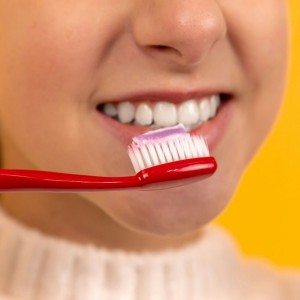
This peer-reviewed oral hygiene & prevention article summarizes clinical evidence from Clinical oral investigations (2026). It focuses on findings that may help dental professionals evaluate...


Copyright © 2026 - All Rights Reserved
ISSN 2767-1178