


Oral surgery in patients on anticoagulant therapy
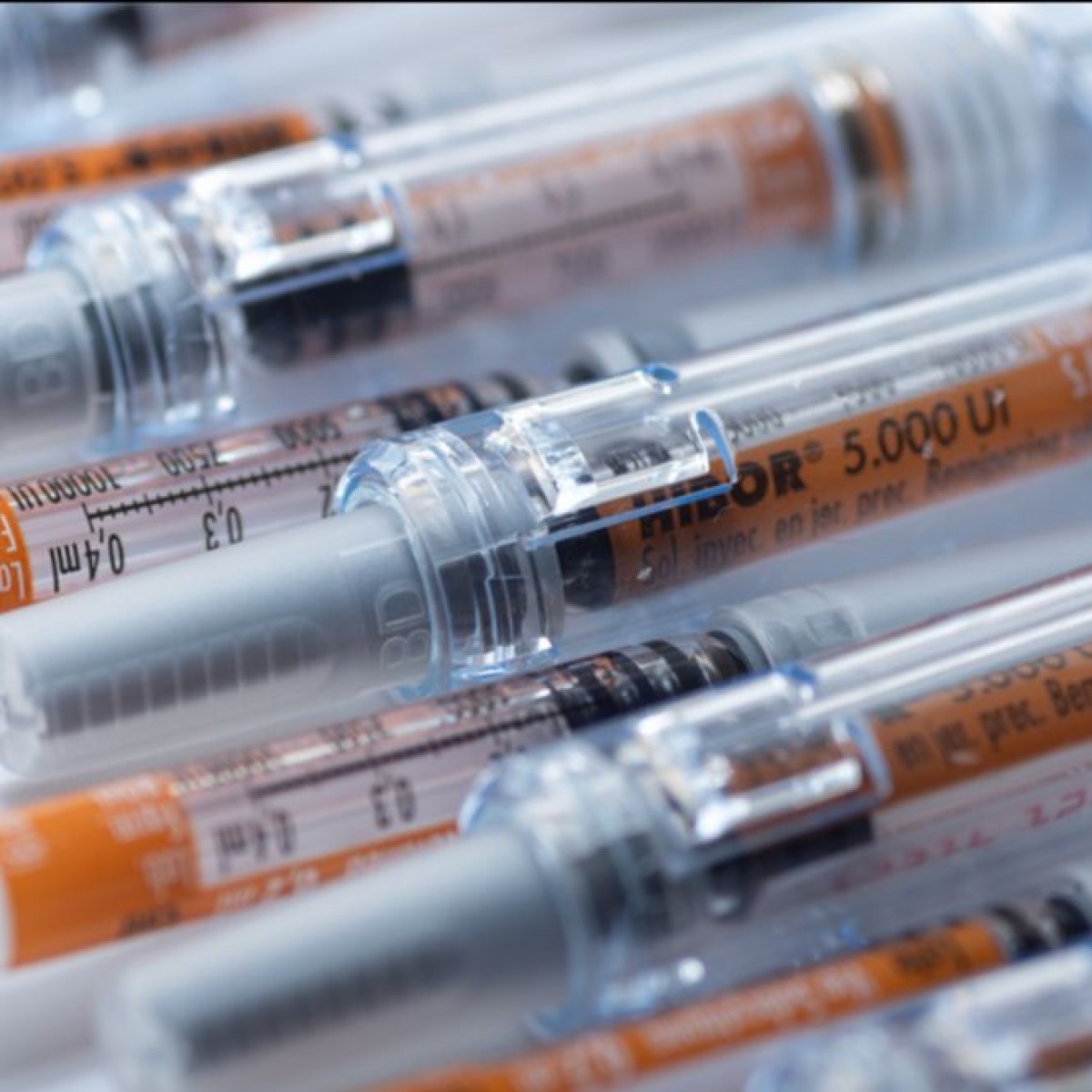
Objective. Surgery is the main oral healthcare hazard to the patient with a bleeding tendency, which is mostly caused by the use of anticoagulants. The traditional management entails the interruption of anticoagulant therapy for dental surgery to prevent hemorrhage. However, this practice may increase the risk of a potentially life-threatening thromboembolism. Because this issue is still controversial, it is the aim of this paper to review the evidence, to highlight the areas of major concern, and to suggest management regimens for patients on the 3 main types of anticoagulants: coumarins, heparins, and aspirin.
Materials Reviewed. The pertinent literature and clinical protocols of hospital dentistry departments have been extensively reviewed and discussed.
Results. Several evolving clinical practices in the last years have been detected: anticoagulant use is generally not discontinued; oral surgery is performed despite laboratory values showing significant bleeding tendency; new effective local methods are used to prevent bleeding; and patients at risk are referred to hospital-based clinics.
Conclusion. The management of oral surgery procedures on patients treated with anticoagulants should be influenced by several factors: extent and urgency of surgery, laboratory values, treating physician's recommendation, available facilities, dentist expertise, and patient's oral, medical, and general condition.
Authors: Crispian Scully, Andy Wolff
Source: https://www.sciencedirect.com/
 Related articles
Oral surgery 15 October 2026
This peer-reviewed oral surgery article summarizes clinical evidence from International journal of oral and maxillofacial surgery (2026). It focuses on findings that may help dental professionals...
Oral surgery 07 October 2026
This peer-reviewed oral surgery article summarizes clinical evidence from International journal of oral and maxillofacial surgery (2026). It focuses on findings that may help dental professionals...
Oral surgery 25 September 2026
This peer-reviewed oral surgery article summarizes clinical evidence from International journal of oral and maxillofacial surgery (2026). It focuses on findings that may help dental professionals...
Oral surgery 18 September 2026
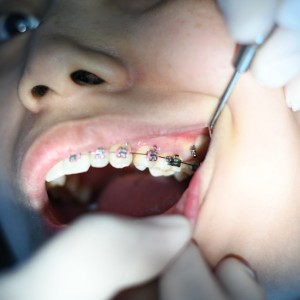
This peer-reviewed oral surgery article summarizes clinical evidence from International journal of oral and maxillofacial surgery (2025). It focuses on findings that may help dental professionals...
Oral surgery 11 September 2026

This peer-reviewed oral surgery article summarizes clinical evidence from International journal of oral and maxillofacial surgery (2026). It focuses on findings that may help dental professionals...
Read more
Products 15 October 2026
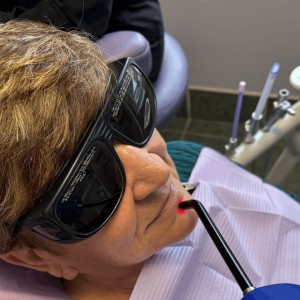
The belief in the healing power of light goes all the way back to ancient Egypt and the worship of Rah, the sun god.
Nearly half the world’s population is affected by oral disease—and the number of cases is rising.
News 15 October 2026

New office at 3170 R Street adds walk-in availability and same-day care options in a region where dental providers are in short supply

Each year, the University of Colorado Anschutz School of Dental Medicine (SDM) Excellence Awards recognize individuals whose dedication, leadership and innovation strengthen our mi
Oral surgery 15 October 2026
This peer-reviewed oral surgery article summarizes clinical evidence from International journal of oral and maxillofacial surgery (2026). It focuses on findings that may help dental professionals...



Copyright © 2026 - All Rights Reserved
ISSN 2767-1178