


Osteolytic lesion in oncologic patient
Authors: Giulia Pradal, Daniela Sorrentino, Niccolò Lombardi, Alberto Pispero, Laura Moneghini
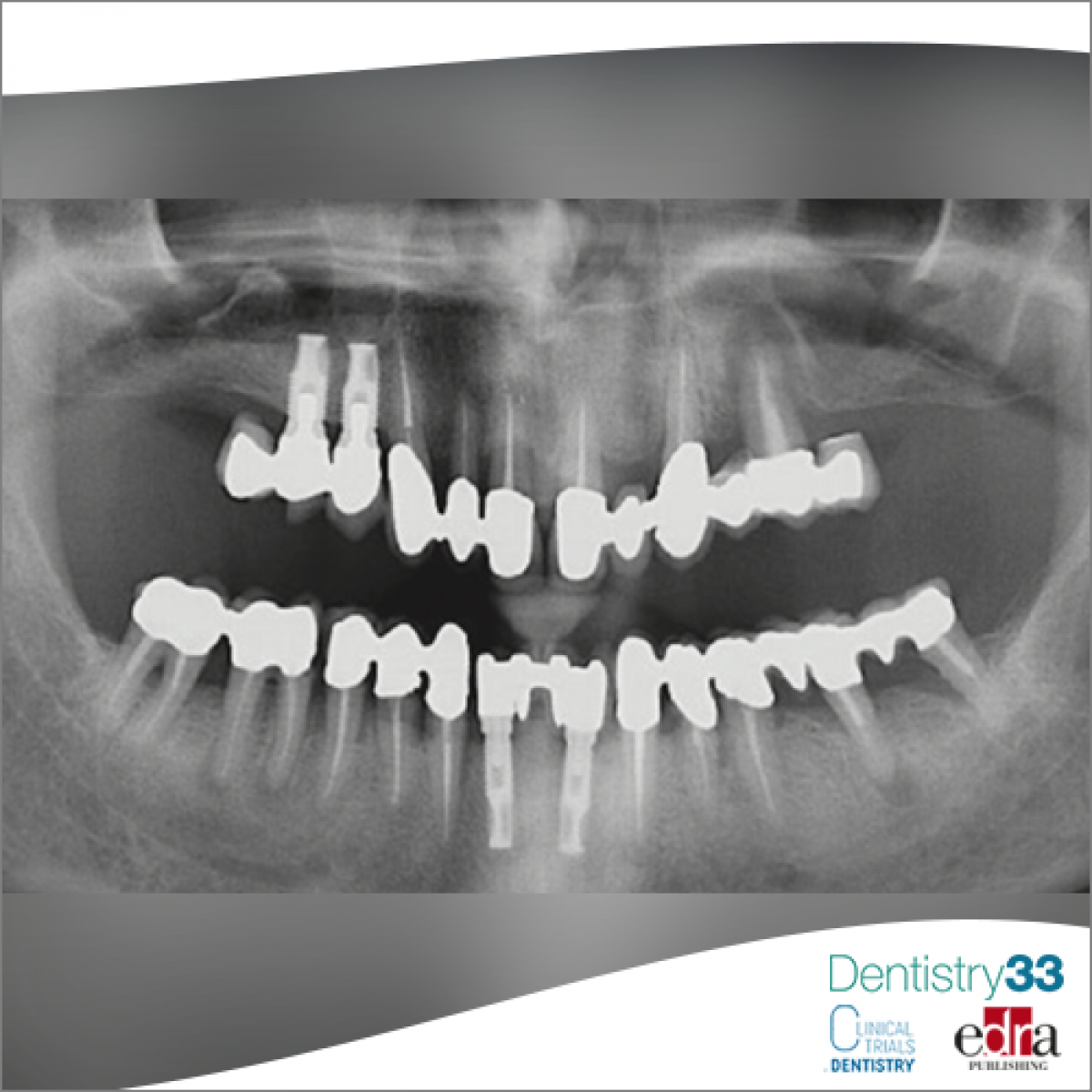
A 76-year-old male patient was sent to the oral medicine service of the San Paolo Hospital in Milan for the presence of a radiolucent lesion at the level of the left mandibular corner, found through orthopantomography. (fig 1)
To the medical history the patient refers to previous prostatic cancer, treated with surgery in 2004 and with radiotherapy in 2005. From the results of the tests performed, the PSA value was normal until January 2016, in February of the same year it slightly increased. The patient does not report particular symptoms of dental interest, but complains of a slight alteration of sensitivity in the lower left lip. On physical examination of the oral cavity, no soft tissue injuries or problems affecting the dental elements were detected.
On CBCT examination, a radiolucent lesion of about 2 cm of major axis is highlighted, with blurred margins at the level of the left mandibular corner.
DIAGNOSIS AND CARE
It was decided to proceed with an incisional biopsy. During the surgical procedure, the lesion is easily cleaved, yellowish in color and has no internal epithelial components. The pathological examination reveals fragments of bone tissue with focal and partial rearrangement and fragments of tissue in coagulative necrosis, partially surrounded by flaps of mesenchymal, myofibroblastic tissue, with the presence of numerous histiocytes; the necrotic component is made up of medium / large size epitheomorphic elements, arranged in micro-aggregates (fig. 2a), immunoreactive for cytokeratin pool and PSA (fig. 2b). At the following urological visit, an increase in PSA values is detected and by ultrasound the presence of hypoechoic solid tissue and absence of adenopathies along the course of the great vessels is highlighted at the pelvic level. This suggests a local recovery of the disease. By bone scan, areas of pathological uptake of the osteotropic indicator are detected, of secondary origin, involving several metamers of the rachis, more bi-lateral costal arches, right sacro-iliac synchondrosis and the diaphysis of the humeri and femurs.
Prostate adenocarcinoma is the most common form of cancer in humans. Typically affects people over the age of 50, with an incidence ranging from 20 to 70% based on age.
It also has a 30% risk of recurrence. Metastases initially spread by the lymphatic route. The hematogenous spread primarily affects the bones, especially those of the axial skeleton. Bone metastases are generally multiple and affect in particular the vertebral column, the shoulder joint and the sacroiliac joint, while in the oral cavity they are extremely rare and represent 1% of all malignant tumors of this district entering into differential diagnosis with cysts, osteomyelitis and primary tumors. Despite this, prostate cancer is the second cancer to develop oral metastases. The mandible is affected with an incidence of 80-90%, mainly at the level of the molar region. Prostatic carcinoma prefers the mandible due to its significant red marrow component as a metastatic target, in fact 11% of mandibular metastases originate from prostatic carcinoma. In the presence of bone metastases, pain and pathological fracture are the main manifestations, although this condition is asymptomatic in some patients.
The treatment of choice for oral metastases intended as secondary disorders of prostate cancer is radiotherapy, surgery is not recommended and is indicated as a palliative treatment, while chemotherapy is indicated only in the case of metastases refractory to hormonal treatment.
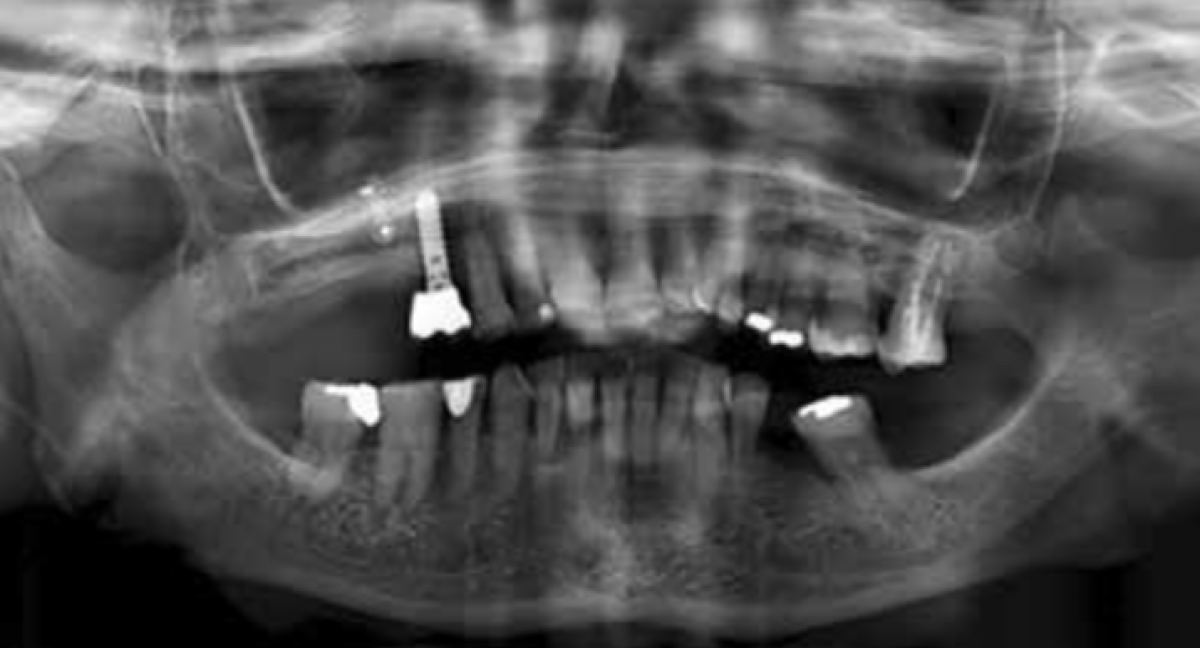
OPT
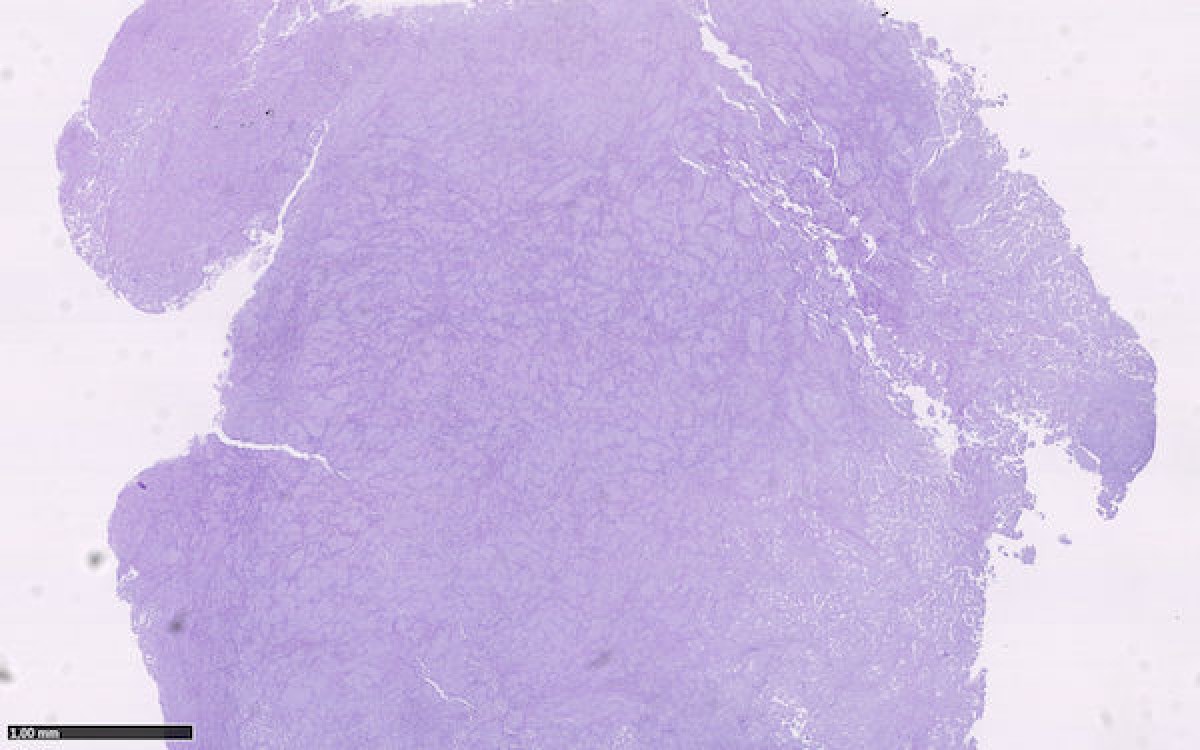
Histological image:hematoxylin and eosin at low magnification
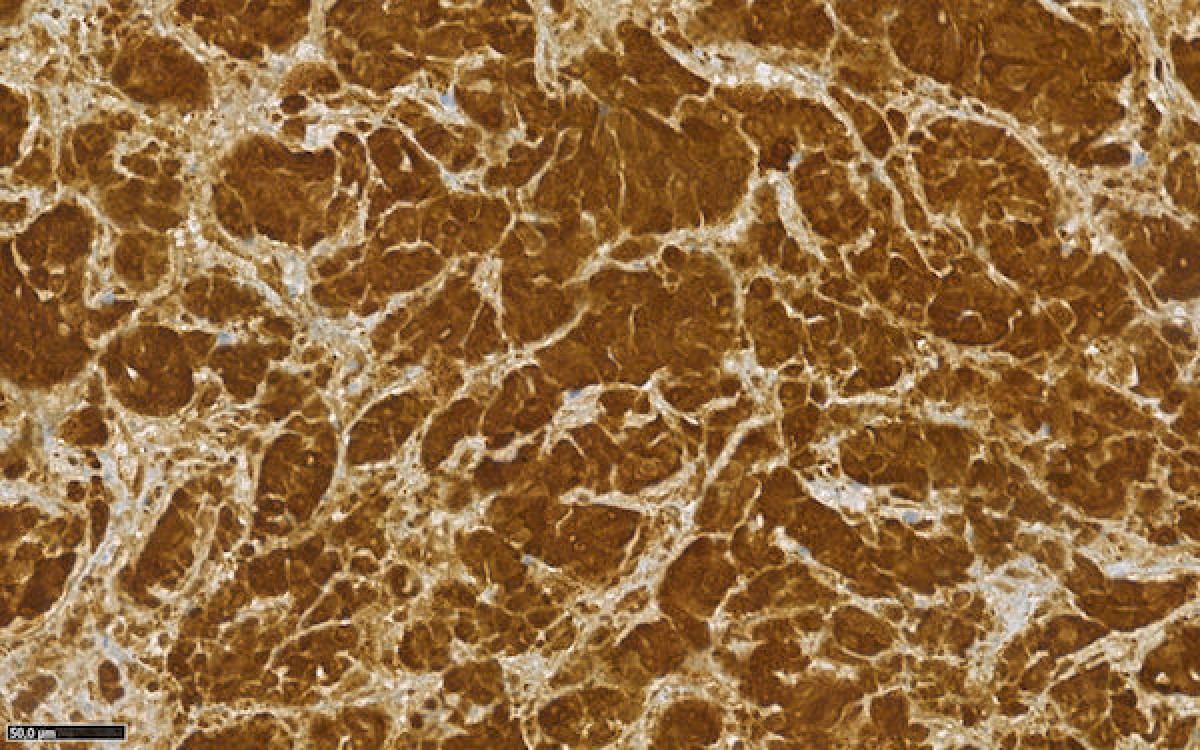
Histological image:immunohistochemistry with anti-cytokeratin antibodies
 Read more
Products 14 October 2026
Royal Philips (NYSE: PHG, AEX: PHIA) announced that the Philips Sonicare Next-Generation DiamondClean 9900 Prestige, its most advanced and intelligent toothbrush to date, is now av

Key transaction by Heartland Dental and its supported practices expands opportunities for supported doctors, teams, and practices while strengthening Heartland Dental’s supported f
News 14 October 2026
Henry Schein Cares Celebrates 25 Years of Corporate Citizenship

Henry Schein Cares, Henry Schein, Inc.’s global corporate citizenship program, is celebrating a quarter century of bringing together Team Schein Members, customers, supplier partne
Editorials 14 October 2026
Scholarship at the CU Anschutz School of Dental Medicine reflects the collective contributions of our faculty, staff, residents and students.
Oral Hygiene & Prevention 14 October 2026
Propolis-containing formulations in caries prevention - a systematic review and meta-analysis.

This peer-reviewed oral hygiene & prevention article summarizes clinical evidence from Clinical oral investigations (2026). It focuses on findings that may help dental professionals evaluate...



Copyright © 2026 - All Rights Reserved
ISSN 2767-1178