


Influence of systemic and local factors on the oral surgery healing process
Authors: Giuseppe Alessandro Scardina, Pietro Messina
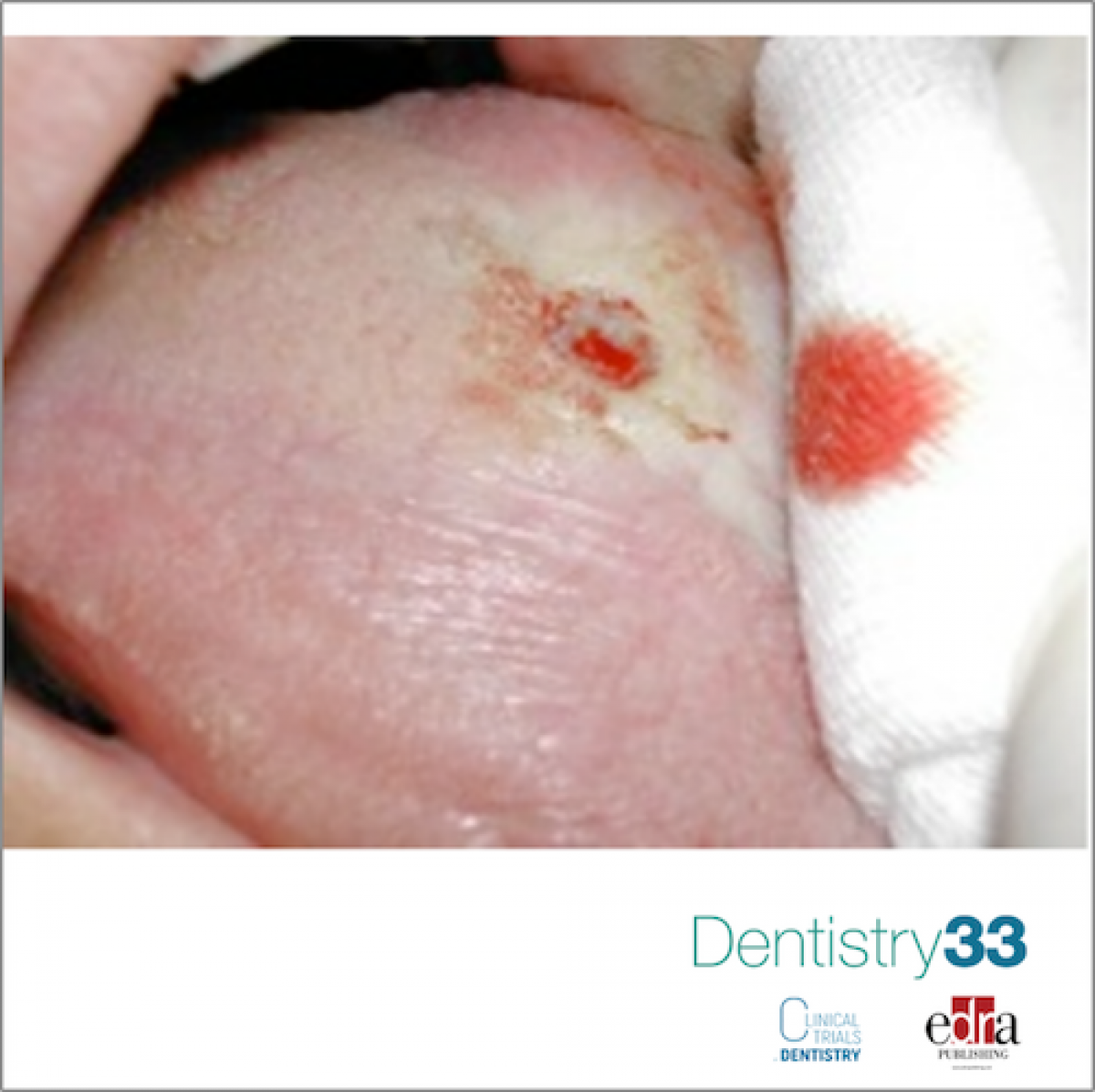
The aim of the study is to describe the physiological mechanism of healing of the surgical wound of the oral cavity and to present the systemic and local factors that can influence it.
Hemostasis starts with the activation of the platelets and the coagulation cascade which carry out the vascular constriction and the formation of the fibrin clot which stops the blood loss and provides a temporary scaffold for the migration and anchoring of the cells that will reach the subsequent stages. The clot and surrounding injured tissue begin to release pro-inflammatory cytokines and growth factors such as tranforming growth factor- β (TGF-β), platelet-derived growth factor (PDGF), insulin-like growth factor-1, platelet factor IV, epidermal growth factor (EGF) and fibroblast growth factor (FGF). All these growth factors initiate the healing process by recalling and activating endothelial cells and macrophages at the site of the lesion neutrophils (PMN).
There are numerous factors that can influence the healing of the surgical wound of the oral cavity. Systemic factors (age, sex, alcohol, smoking, nutritional status, medications, diabetes stress, obesity) and local factors (saliva) are described. Age and sex are two factors that can significantly influence the surgical wound heals.
Old age is one of the major risk factors for a slowed-down healing process but not for a weakening in terms of the quality of the healing process. An American study has shown that although skin wounds heal much faster in women than men, the reverse is true of wounds in the oral mucosa.
The response of the guest to a chronic exposure to alcohol, however, seems to be different than the acute exposure through mechanisms not yet fully clarified. As regards smoking, it has been seen that smoking patients are more likely to experience a delay in wound healing and a series of complications such as infections, wound rupture, epidermolysis, necrosis of the wound or flap and a reduction in the tensile strength of the wound.
Clinical evidence and animal experiments have shown how exposure to alcohol and smoke weakens wound healing and increases the incidence of infections. Nutrition levels also interfere with the healing process of the oral surgical wound.
A deficiency in protein intake can reduce capillary production, the proliferation of fibroblasts, the synthesis of proteoglycans and collagen, can alter the wound remodeling process. Furthermore, the lack of proteins alters the immune response with a resulting reduction in leukocytic phagocytosis and an increased susceptibility to infections.
Many drugs, especially those that interfere with clot formation and platelet function, with inflammatory response and cell proliferation, interfere with this mechanism. It is also known that several systemic pathologies play their role and among these pathologies diabetes tends to slow wound repair involving various and complex pathophysiological mechanisms. Stress and obesity are also treated as influencing factors.
The exposure of the oral epithelium to toxic concentrations of bisphosphonates deriving from the underlying bone inhibits the healing of the surgical wound. The role of dental infections and the oral microbiome is fundamental for bisphosphonate osteonecrosis, but rheumatoid arthritis and diabetes mellitus also contribute to immune resilience. Knowledge of osteoimmunology and the relationship of angiogenesis with the development of osteonecrosis is certainly fundamental.
We think that the knowledge of these mechanisms and factors is essential for correct patient management and to prevent complications which in some cases could be very serious.
Awareness in the management of surgical clinical cases.
 Tag
Tag
Read more
Products 14 October 2026
Royal Philips (NYSE: PHG, AEX: PHIA) announced that the Philips Sonicare Next-Generation DiamondClean 9900 Prestige, its most advanced and intelligent toothbrush to date, is now av

Key transaction by Heartland Dental and its supported practices expands opportunities for supported doctors, teams, and practices while strengthening Heartland Dental’s supported f
News 14 October 2026
Henry Schein Cares Celebrates 25 Years of Corporate Citizenship

Henry Schein Cares, Henry Schein, Inc.’s global corporate citizenship program, is celebrating a quarter century of bringing together Team Schein Members, customers, supplier partne
Editorials 14 October 2026
Scholarship at the CU Anschutz School of Dental Medicine reflects the collective contributions of our faculty, staff, residents and students.
Oral Hygiene & Prevention 14 October 2026
Propolis-containing formulations in caries prevention - a systematic review and meta-analysis.
This peer-reviewed oral hygiene & prevention article summarizes clinical evidence from Clinical oral investigations (2026). It focuses on findings that may help dental professionals evaluate...


Copyright © 2026 - All Rights Reserved
ISSN 2767-1178