


Diagnostic testing for SARS-CoV-2: state of the art and perspectives of molecular salivary testing
Authors:Daniela CARMAGNOLA, Dolaji HENIN, Gaia PELLEGRINI, Elena CANCIANI, Mariachiara PERROTTA, Arianna SANGIORGIO, Greta GAMBACORTA, Claudia DELLAVIA
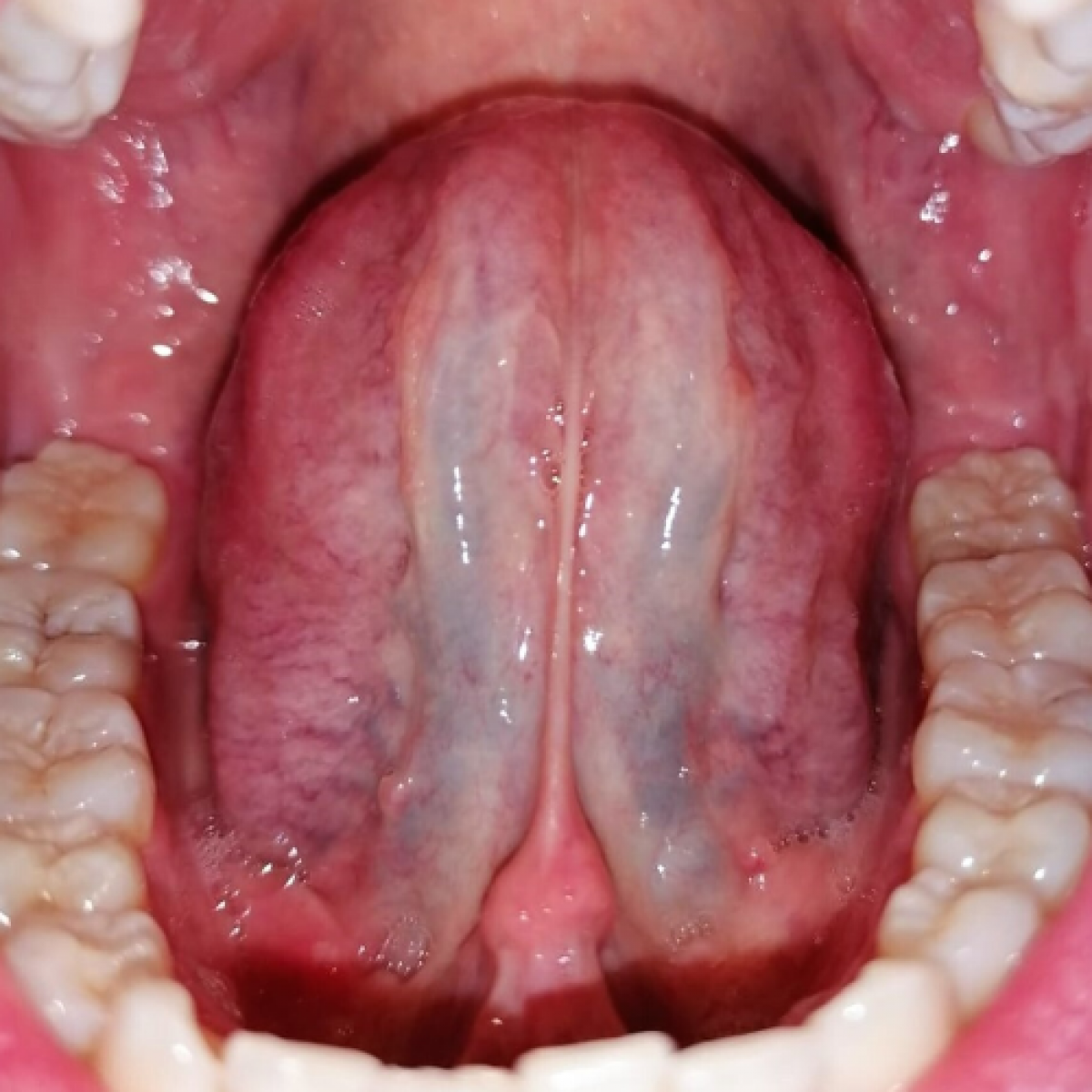
Closing commercial, recreational and educational activities is one of the most frequently adopted measures worldwide, to respond to the COVID-19 pandemic. Beyond their positive effect, however, such measures present negative economic, educational, and psychological aspects on the population. To reduce these disadvantages, together with vaccines and therapies, it is crucial to develop efficient tools for early diagnosis and to rapidly interrupt the infective chain, especially in particularly susceptible communities. This dossier aims to provide an overview of the currently available diagnostic tests for SARS-CoV-2, with an insight in salivary molecular tests.
The present dossier reviews the currently available diagnostic tests for SARS-CoV-2 with a focus on salivary molecular tests, used within an experimental protocol by the UNIMI Sal research group of Università degli Studi di Milano. The dossier includes an overview of COVID-19, a narrative review of the literature and a paradigmatic case report that highlights the characteristics and potential use of the different available tests.
The diagnostic SARS-CoV-2 tests can be classified according to the target they aim to detect, that is viral RNA, antigens or antibodies. The currently official diagnostic tool is the naso-pharyngeal molecular swab, due to its high sensibility (>98%) and specificity (>99%). A farther tool is the antigenic swab, that, despite the advantage of a rapid result, is less accurate and whose positive result needs therefore to be confirmed by a naso-pharyngeal molecular swab. Serological tests find their optimal application in epidemiological screenings concerning the antibody status of individuals but are not strictly diagnostic, reason why a positive outcome requires to be followed by a naso-pharyngeal molecular swab. Salivary molecular tests is under validation. It is a non-invasive tool that can be self-performed and shows a high concordance with naso-pharyngeal molecular swabs. Salivary molecular tests will be described in the context of an experimental protocol by the UNIMI Sal research group of Università degli Studi di Milano. Saliva, collected by means of a dental cotton roll, was obtained in different settings, both from adults and children, and its analysis provided promising results thanks to its high concordance with naso-pharyngeal molecular swabs and its ability to early detect positive asymptomatic and pre-symptomatic.
The COVID-19 pandemic has prompted an increased request for new diagnostic and therapeutic possibilities in short times. To implement research towards new and innovative tools useful to overcome the difficulties connected to closures and stay-at-home measures, is crucial. In this context, salivary molecular tests seem to provide the adequate characteristics for active surveillance and early detection of positive cases.
Knowledge of different diagnostic tests and their applicability is fundamental for all health workers. The comprehension of the different available devices and methods on the market for rapid and not rapid detection of SARS-CoV-2, is useful in the management of their daily clinical activity.
 Read more
Products 13 October 2026


New Resources Help Dental Exhibitors Evaluate Their Investment and Explore the Personify ShowFlow™ Trade Show Success System
News 13 October 2026

New patient apps extend The Aspen Group’s mission to remove barriers to care, giving patients greater visibility, convenience, and control from booking through treatment
Editorials 13 October 2026

The forerunner of what’s now Texas A&M College of Dentistry opened 120 years ago in Dallas with the mission of educating dentists to provide quality care to patients in North Texas
Oral pathology 13 October 2026
This peer-reviewed oral pathology article summarizes clinical evidence from Oral oncology (2026). It focuses on findings that may help dental professionals evaluate treatment decisions, patient...



Copyright © 2026 - All Rights Reserved
ISSN 2767-1178