


Humanization of dental treatments. An emerging trend
Authors:M. Bazzano, R. Mauceri, V. Panzarella, O. Di Fede, G. Pizzo, R. Coniglio, D. Montemaggiore, G. Campisi

The purpose of this paper is to provide the oral health specialists the characteristics of the narrative interview, understood as different from the traditional anamnesis and able to detect the patient's universe, basis of the humanization process in dentistry, and to show a clinical model of humanization of dental care.
Materials and Methods
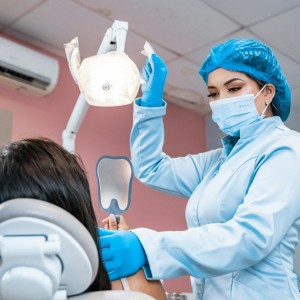
This article describes the key points of the process of humanization in dentistry and as such practice has been integrated into the Unit of Oral Medicine, at University Hospital of Palermo, in order to support to the patients’ frailty. The scientific community has questioned the traditional medical approach focused on the disease and pays increasing attention to the patient's involvement in the diagnosis and treatment process. In the case of dental medical practice, every time a patient sits in the dental chair he brings with him a story, that of his stomatognathic system. Therefore, in order to optimize treatments, it is useful to rethink the dentist/patient relationship today: good clinical practice is not done without empathically listening to the patients’ history, their representations, perceptions, and experiences. Thus, it becomes necessary to organize better and more effective settings where it is possible to insert, routinely, adequate active listening and adopt specific communication techniques. So, the anamnesis, technically correct as aseptic collection of information, is replaced by the narrative interview, in order to allow the clinicians to truly understand the meaning of patients’ illness, and not only to contemplate the disease features. The authors illustrate their experience of dental team management in a narrative key.
Results and conclusions
Narrative medicine provides the tools for a treatment plan more patient-centered and comprehensible to all dentists, it reduces the distances between the recent graduate and the “good” dentist, naturally equipped with active listening, or the mature dentist who has experimented with his model but after many years of practice and communication errors.
Clinical significance
Narrative medicine promotes the development of a systemic, integrated and multidisciplinary approach in which the team, duly trained, plays a key role for the well-being of the community, providing greater attention to frailty patients.
 Read more
Products 13 October 2026


New Resources Help Dental Exhibitors Evaluate Their Investment and Explore the Personify ShowFlow™ Trade Show Success System
News 13 October 2026

New patient apps extend The Aspen Group’s mission to remove barriers to care, giving patients greater visibility, convenience, and control from booking through treatment
Editorials 13 October 2026

The forerunner of what’s now Texas A&M College of Dentistry opened 120 years ago in Dallas with the mission of educating dentists to provide quality care to patients in North Texas
Oral pathology 13 October 2026
This peer-reviewed oral pathology article summarizes clinical evidence from Oral oncology (2026). It focuses on findings that may help dental professionals evaluate treatment decisions, patient...


Copyright © 2026 - All Rights Reserved
ISSN 2767-1178