


Pandemic impacts UK oral health
Author: Katherine Pfaff

Across the Atlantic, UK patients also reported a change in dental health habits. More than half (55%) of adult Britons said they had not taken care of their teeth properly, according to a study by the Oral Health Foundation and Colgate. Patients had not been brushing their teeth as much as pre-lockdown (15%), and some had not been brushing twice a day (19%).
Diets also changed, with 20% of patients reporting their food choices were less healthy, and 11% reported they were drinking more alcohol. Perhaps more concerning, 36% of patients reported tooth pain during the lockdown, with 9% of those having pain for more than two weeks. Nearly 18% of those involved in the research had not been to a dentist in more than 2 years.
“Since coronavirus, it has been easy to get into the mindset that your health is not completely within your control,” said Nigel Carter, OBE, and CEO of Oral Health Foundation. “There are, however, elements of your health that you do have full authority over. One of these is the health of the mouth.”
For more information contact:
Oral Health Foundation
Dental Helpline: +44(0) 1788 539 780
Email: mail@dentalhealth.org
 Read more

Continuous innovation across the DEXIS ecosystem helps clinicians work with greater clarity, confidence, and efficiency
News 23 October 2026
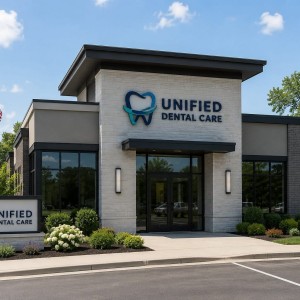
CrownPoint Partners announced the successful closing of a $9.2 million, five-property dental sale-leaseback portfolio located throughout Michigan.
News 23 October 2026
Dentsply Sirona, Midwest Dental Expand Technology Relationship

Beginning November 1, Dentsply Sirona will expand its long-standing relationship with Midwest Dental Equipment & Supply beyond consumables to include its complete technology portfo
Editorials 23 October 2026
Honoring Excellence: Graduation Awards for CU Anschutz Dental Students and Faculty

As the University of Colorado Anschutz School of Dental Medicine celebrates the graduating DDS Class of 2025, we are proud to recognize the students and faculty members whose excep
Implantology 23 October 2026
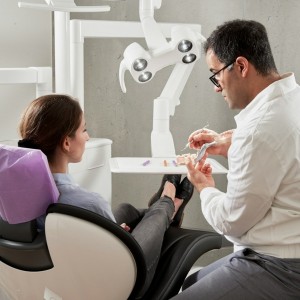
This peer-reviewed implantology article summarizes clinical evidence from Clinical oral implants research (2026). It focuses on findings that may help dental professionals evaluate treatment...



Copyright © 2026 - All Rights Reserved
ISSN 2767-1178