


Acceptability of fully guided virtual implant planning software among dental undergraduate students

Background
Fully guided implant surgery as a technique is gaining popularity. It has been observed that use of surgical guides improves precision and predictability for dental implant placement. However, like any other newer technology, the acceptance of fully guided dental implant technology among users is based upon its perceived usability. This study aimed at evaluating the perception about using Virtual Implant Planning Software (VIPS) among undergraduate dental students at the university of Sharjah.
Methods
Ninety-Six dental surgery students from the University of Sharjah were included in the study. One week after the Virtual Implant Planning Software (Planmeca Romexis version 6.2 procedure, students were asked to complete a Combined technology acceptance model and the theory of planned behavior (C-TAM TPB) questionnaire. Sixty-six students responded to the questionnaire.
Results
Cronbach’s alpha surpassed 0.7 for perceived usefulness, perceived ease of use, perceived behavioral control, and subjective norm. Attitude and behavioral intention reported Cronbach’s alpha values less than 0.7. Spearman’s correlation coefficient was significant for all the constructs. Perceived ease of use explained 49%, 33%, and 42% of the variance of perceived usefulness (R2 = 0.49), attitude (R2 = 0.33), and perceived behavioral control (R2 = 0.42) respectively. Perceived usefulness explained 25%, 18%, and 23% of the variance of attitude (R2 = 0.25), behavioral intention (R2 = 0.18), and perceived behavioral control (R2 = 0.23) respectively. Attitude accounted for 25%, 33%, and 29% of the variance of behavioral intention (R2 = 0.25), perceived behavioral control (R = 0.33), and subjective norm (R = 0.29) respectively.
Conclusion
The fully guided VIPS was acceptable by dental students specifically because of its usability. This makes VIPS a very effective tool for teaching implantology for dental students. VIPS also allows students to perform multiple repetitions of the implant planning procedure which enhances understanding and content retention.
Shetty, S.R., Murray, C., Kawas, S.A. et al. "Acceptability of fully guided virtual implant planning software among dental undergraduate students." BMC Oral Health 23, 336 (2023). https://doi.org/10.1186/s12903-023-03064-1.
 Related articles
Edra Professional Books 10 October 2026
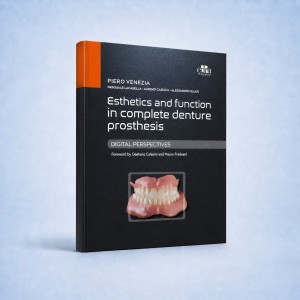
Esthetics and function in complete denture prosthesis is an Edra professional dentistry reference focused on clinical practice, education and treatment planning.
Edra Professional Books 03 October 2026
Diode laser Manual in dentistry and stomatology: A Practical Reference for Dental Professionals
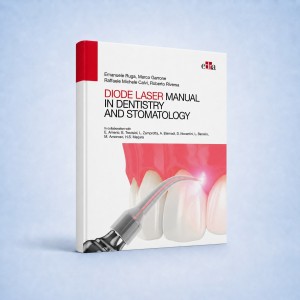
Diode laser Manual in dentistry and stomatology is an Edra professional dentistry reference focused on clinical practice, education and treatment planning.
Edra Professional Books 26 September 2026
Manual of oral surgery: A Practical Reference for Dental Professionals
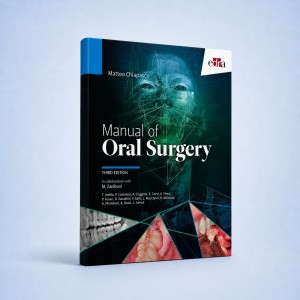
Manual of oral surgery is an Edra professional dentistry reference focused on clinical practice, education and treatment planning.
Edra Professional Books 19 September 2026
Piezoelectric surgery of impacted teeth: A Practical Reference for Dental Professionals
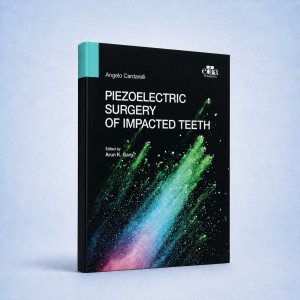
Piezoelectric surgery of impacted teeth is an Edra professional dentistry reference focused on clinical practice, education and treatment planning.
Edra Professional Books 12 September 2026
Adhesive cementation on natural teeth: A Practical Reference for Dental Professionals

Adhesive cementation on natural teeth is an Edra professional dentistry reference focused on clinical practice, education and treatment planning.
Read more
Products 15 October 2026
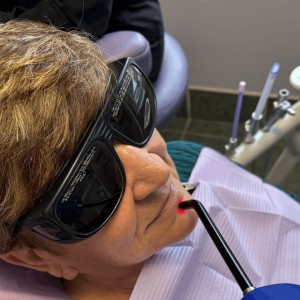
The belief in the healing power of light goes all the way back to ancient Egypt and the worship of Rah, the sun god.
Nearly half the world’s population is affected by oral disease—and the number of cases is rising.
News 15 October 2026

New office at 3170 R Street adds walk-in availability and same-day care options in a region where dental providers are in short supply
Each year, the University of Colorado Anschutz School of Dental Medicine (SDM) Excellence Awards recognize individuals whose dedication, leadership and innovation strengthen our mi
Oral surgery 15 October 2026
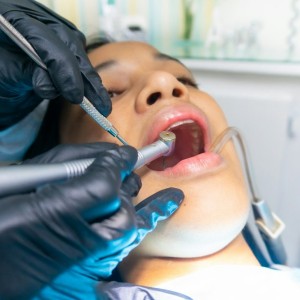
This peer-reviewed oral surgery article summarizes clinical evidence from International journal of oral and maxillofacial surgery (2026). It focuses on findings that may help dental professionals...



Copyright © 2026 - All Rights Reserved
ISSN 2767-1178