


Knowledge, perceptions, and practices of dental professionals and students regarding obturation in endodontic procedures: a nationwide cross-sectional survey
Background
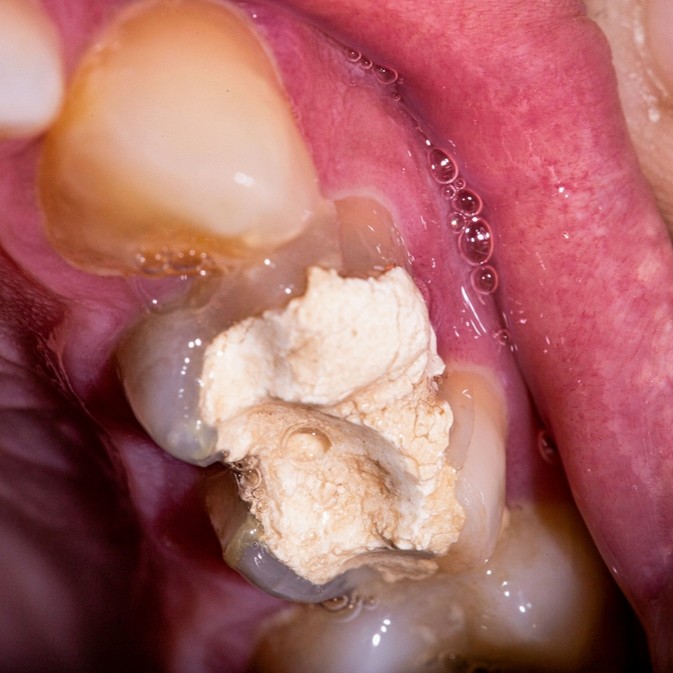
The purpose of this study is to analyze dental professionals’ and students’ current understanding, attitudes, and usage of obturation trends in endodontic management.
Methods
A national cross-sectional survey of 422 dental professionals and students was carried out using a structured questionnaire The questionnaire included 34 multiple-choice questions concerning demographics, knowledge, attitudes, and practices relevant to endodontic obturation. A combination of convenience and snowball sampling was used to recruit participants. The study applied descriptive statistics and the chi-square test of proportion with a significance threshold of p < 0.05 and a 95% confidence interval for analysis to assess the participants’ comprehension, attitudes, and use of obturation procedures.
Results
The study comprised 422 participants, the majority of whom were females (68.0%) with an average age of 24.55 ± 3.31 years. Final-year students, interns, postgraduate students, dentistry faculty, and private practitioners were among those who took part. The majority of respondents (91.2%) correctly identified the goal of root canal obturation and identified Gutta Percha and Sealer as the standard obturation material (98.8%). Obturation has a significance in root canal treatment results, according to 81.0% of respondents. 64.5% were willing to explore new obturation methods, and 72.0% said they would use newer obturation materials or equipment if it was advantageous. In routine, lateral compaction was the primary obturation technique (73.2%), with just 4.0% using a rubber dam on a regular basis. Only a small percentage (11.1%) were happy with the present efficiency and predictability of obturation procedures, whereas 58.8% noted occasional difficulties in attaining proper root canal obturation. Documentation methods were subpar, with 43.6% regularly noting obturation techniques and materials in patients’ records. A sizable proportion (58.5%) underwent retreatment operations for unsuccessful obturations, highlighting the need for improved obturation outcomes. Bioceramic sealer use and comprehension varied greatly (11.1% utilized it).
Conclusions
In conclusion, this study emphasizes the need of better knowledge and application of obturation trends in endodontics. Key findings include a desire for better materials, an understanding of the importance of obturation, and an openness to new ideas. The difficulties in getting optimal results underline the need of standardized education.
Authors: Kalyani Garde, Ajinkya M. Pawar, Anuj Bhardwaj, Jatin Atram, Suraj Arora, Dian Agustin Wahjuningrum, Maria Febritania Wahyuni Huri, Dennys Kurnia
Source: https://peerj.com/
 Tag
Tag
Related articles
Orthodontics 27 March 2026
The Primary Failure of Eruption in orthodontics: knowledge to prevent overtreatment
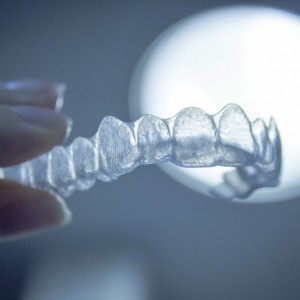
The aim of this paper is to report a rare clinical case of Primary Failure of Eruption (PFE) in a young Italian patient.
Oral Hygiene & Prevention 24 March 2026
Knowledge and attitude of oral hygiene practice among dental students

An important component of general health and overall quality of life is oral health. It can have an impact on overall quality of life. Even if there are many dental products available, the dental...
Oral Hygiene & Prevention 05 January 2026

To assess effectiveness of an oral health education (OHE) programme on oral hygiene knowledge, practices, plaque control and gingival health of 13- to 15-year-old school children in Bangalore city.
Pediatric dentistry 11 June 2025

The aim of the present study was to assess the knowledge and practice of, and attitudes toward, pulp therapy in deciduous dentition among pediatric dentists.

Prominently featured in The Inner Circle, Jonathan T. Constantine, DMD, is acknowledged as a 2025 Pinnacle Lifetime Member for his contributions to dentistry.
Read more
Products 15 October 2026

The belief in the healing power of light goes all the way back to ancient Egypt and the worship of Rah, the sun god.
Nearly half the world’s population is affected by oral disease—and the number of cases is rising.
News 15 October 2026

New office at 3170 R Street adds walk-in availability and same-day care options in a region where dental providers are in short supply

Each year, the University of Colorado Anschutz School of Dental Medicine (SDM) Excellence Awards recognize individuals whose dedication, leadership and innovation strengthen our mi
Oral surgery 15 October 2026

This peer-reviewed oral surgery article summarizes clinical evidence from International journal of oral and maxillofacial surgery (2026). It focuses on findings that may help dental professionals...



Copyright © 2026 - All Rights Reserved
ISSN 2767-1178