


Glass ionomer cements VS resin-based composite for restorations in cervical lesions: Which of these have a long lasting?
Simona Chirico

Non-carious cervical lesions often fail after restoration with resin composites (RC) due to: lack of cavity preparation, use of simplified adhesives (two-step etch-and-rinse and one- step self-etch) that do not have the chemical potential to bond hypermineralized sclerotic dentin, an additional bacterial layer, and intratubular mineral casts that are comparatively more acid resistant. On the other hand, the highly mineralized nature of sclerotic dentin makes it very suitable for bonding with glass-ionomer cements (GIC) or resin-modified glass-ionomers (RMGIC).
Therefore, do glass ionomer cements have a better performance than resin composites?
A review published in the Journal of Adhesive Dentistry in 2018, tried to answer this question by comparing the two materials and evaluating: the loss of retention, color match surface texture, marginal adaptation, marginal discoloration, and secondary caries.
MATERIALS AND METHODS
The literature research was performed using PubMed, Scopus, Web of Science, LILACS, BBO, and Cochrane. A total of 1530 articles were identified, but only 19 reports were chosen for analysis.
RESULTS
The results obtained by comparing these two materials were evaluated with a follow-up of 1, 2 and 3 years.
GIC showed higher retention rates in all follow-ups (1 to 3 years, p < 0.0001; at 5 years, p < 0.00001).
No difference was observed for marginal discoloration, marginal adaptation and secondary caries in all follow-ups (p > 0.05).
RC showed better color match than GIC only at 2 years (p = 0.03).
Higher roughness was observed in GIC in all follow-ups (at 1 year p = 0.0003; at 3 years p = 0.0004).
CONCLUSIONS
The loss of retention of RMGIC/GIC was inferior to that of RC, but a higher roughness was observed in the RMGIC/GIC when compared to RC in all follow-ups of the clinical studies evaluated. In addition, the color match was better with RC only in the 2-year follow-up when compared to GIC. However, the authors said this should be interpreted with caution, because the articles included are at “unclear” risk of bias and they were judged as moderate to low in these outcomes. Well-designed RCTs with a large sample size should be conducted to confirm the findings of this review and meta-analysis.
For additional informations:
Are Glass-Ionomer Cement Restorations in Cervical Lesions More Long-Lasting than Resin-based Composite Resins? A Systematic Review and Meta-Analysis
 Related articles
Editorials 27 September 2026
Dentistry33 survey highlights replacement care, deep caries and evolving restorative workflows
Reader survey finds direct composites remain dominant, secondary caries is the leading reason for restoration replacement, and clinicians want more training in pulp preservation
Reader survey finds direct composites remain dominant, secondary caries is the leading reason for restoration replacement, and clinicians want more training in pulp preservation
Restorative dentistry 17 April 2026
Patient Perceptions of New Robotic Technologies in Clinical Restorative Dentistry
Patient perception research has failed to focus on burgeoning technology within the dental field.
Prosthodontics 16 April 2026
The use of orthodontics before fixed prosthodontics in restorative dentistry
For a variety of reasons, orthodontic intervention is often overlooked as a viable modality to correct occlusal, axial, rotational, and space discrepancies before undertaking fixed prosthetic...
Digital Dentistry 16 February 2026
An original procedure for the ovoid pontic technique in ortho-restorative cases

In the multidisciplinary treatments, especially in case of missing teeth in aesthetic area, the compliance of patient during retention time post orthodontic therapy is evidently very high, even among...
Read more
Products 14 October 2026
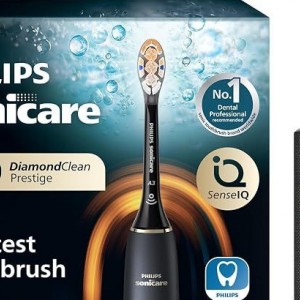
Royal Philips (NYSE: PHG, AEX: PHIA) announced that the Philips Sonicare Next-Generation DiamondClean 9900 Prestige, its most advanced and intelligent toothbrush to date, is now av
Key transaction by Heartland Dental and its supported practices expands opportunities for supported doctors, teams, and practices while strengthening Heartland Dental’s supported f
News 14 October 2026
Henry Schein Cares Celebrates 25 Years of Corporate Citizenship
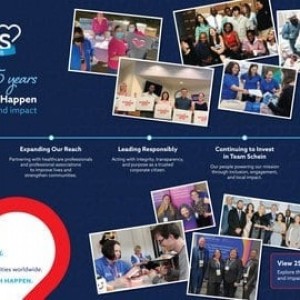
Henry Schein Cares, Henry Schein, Inc.’s global corporate citizenship program, is celebrating a quarter century of bringing together Team Schein Members, customers, supplier partne
Editorials 14 October 2026
Scholarship at the CU Anschutz School of Dental Medicine reflects the collective contributions of our faculty, staff, residents and students.
Oral Hygiene & Prevention 14 October 2026
Propolis-containing formulations in caries prevention - a systematic review and meta-analysis.
This peer-reviewed oral hygiene & prevention article summarizes clinical evidence from Clinical oral investigations (2026). It focuses on findings that may help dental professionals evaluate...



Copyright © 2026 - All Rights Reserved
ISSN 2767-1178