


Can oral diseases in pregnancy lead to complications?
Lara Figini

INTRODUCTION
Every year, 32 million children are born prematurely or too young for their gestational age (Lee et al., 2013). Several risk factors for preterm birth (PTB) and intrauterine growth reduction (IUGR) have been identified and among these maternal infections are among the most relevant causes. Among the various maternal infections are also oral/periapical ones that could also contribute to the onset of PTB and IUGR by or a direct path, in which the oral bacteria are disseminated through the bloodstream to the placental and fetal tissues, or an indirect pathway, where the bacteria inside the oral cavity could induce a systemic inflammatory response that could influence pregnancy indirectly. Although previous studies have shown that bacteria can move from the mouth to the placenta and it is known that acute maternal periapical infection (PAI) can lead to systemic inflammation, however this is not a proof that PAI can lead to pregnancy complications.
MATERIALS AND METHODS
In a study published in Oral Disease in 2018, the authors compared the data obtained at birth in Malawian mothers with and without periapical infections. As markers of a direct pathway, the authors identified placental bacteria using a 16S rDNA approach and assessed histological evidence of inflammation in the placenta and amniotic membranes. They measured C-reactive protein, alpha-1-acid glycoprotein and salivary cortisol as a marker of an indirect route. They also used regression models to associate the predictive variables with the duration of pregnancy and the size of the newborn.
RESULTS
Of 1024 women, 23.5% had a periapical infection. The authors found no direct association between the periapical infection and the bacterial DNA or the histological inflammation present in the placenta or in the amniotic membranes.
However, periapical infection has been associated with an increase in C-reactive protein, alpha-1-acid glycoprotein and systemic cortisol concentrations.
CONCLUSIONS
The results of this study suggest that the periapical infection (PAI) can cause pregnancy complications through an indirect pathway, since it can trigger a systemic inflammation, but the PAI can’t cause the placental infection through a direct path. Further studies are however necessary to confirm these data.
CLINICAL IMPLICATIONS
According to the data of this study, the dentist must recommend to pregnant women to maintain optimal state of health in the oral cavity as oral infections can indirectly procure systemic inflammation with increased C-reactive protein, alpha-1-acid glycoprotein and of systemic cortisol concentrations which may lead to pregnancy complications.
For additional informations:
Periapical infection may affect birth outcomes via systemic inflammation
 Related articles
Pediatric dentistry 09 October 2026
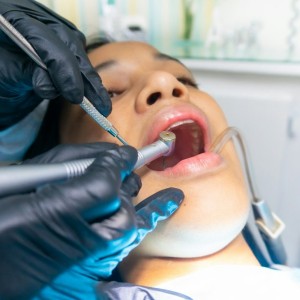
This peer-reviewed pediatric dentistry article summarizes clinical evidence from BMC oral health (2026). It focuses on findings that may help dental professionals evaluate treatment decisions,...
Pediatric dentistry 29 April 2026
Exploration and innovative application of digital technology in pediatric dentistry
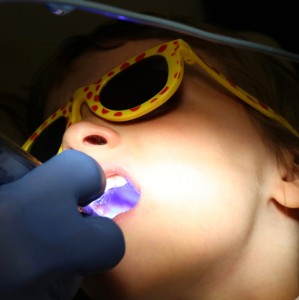
Pediatric dentistry treats patients aged 0-18 years, encompassing the characteristics of general dentistry.
Pediatric dentistry 14 April 2026
Comparison between dexmedetomidine and esketamine in pediatric dentistry surgery
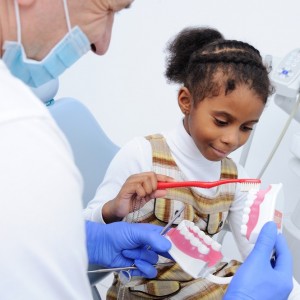
Dexmedetomidine (D) and esketamine (K) are used for the sedation of pediatric dental surgery. This study was designed to compare the effect of intranasal D and K in producing moderate sedation for...
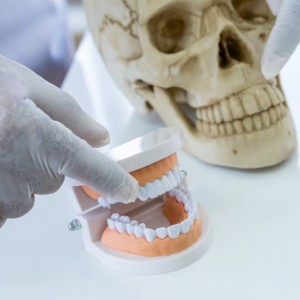
Existing studies on adverse events (AEs) in pediatric dentistry have been limited in scope.
Read more
Products 13 October 2026


New Resources Help Dental Exhibitors Evaluate Their Investment and Explore the Personify ShowFlow™ Trade Show Success System
News 13 October 2026

New patient apps extend The Aspen Group’s mission to remove barriers to care, giving patients greater visibility, convenience, and control from booking through treatment
Editorials 13 October 2026

The forerunner of what’s now Texas A&M College of Dentistry opened 120 years ago in Dallas with the mission of educating dentists to provide quality care to patients in North Texas
Oral pathology 13 October 2026
This peer-reviewed oral pathology article summarizes clinical evidence from Oral oncology (2026). It focuses on findings that may help dental professionals evaluate treatment decisions, patient...


Copyright © 2026 - All Rights Reserved
ISSN 2767-1178