


Fluoride varnish and chlorhexidine gel on white spots in fixed orthodontic patients
Giulia Palandrani
Plaque accumulation which can lead to whitespot formation and gingival inflammation represent a significant challenge to excellence in clinical orthodontics. Dental caries is one of the most important oral cavity diseases, which initially appears as a white spot lesion (WSL) due to the loss of mineral content. After bracket placement, whitespost can be identified within 1 month although it takes at least 6 months before caries becomes notable.[
Good plaque control is very difficult in patients with fixed orthodontic appliances. To improve mechanical plaque removal, incorporation of a chemotherapeutic agent such as an antibacterial mouth rinse into the oral hygiene regimen can be helpful.
Chlorhexidine (CHX) is the most potentially documented antimicrobial agent against mutans streptococci (MS) and dental caries. CHX varnishes establish the most persistent reduction in MS, followed by gels and mouthwashes
Topical application of fluoride varnish at least around anterior teeth is suggested in high risk patients, for example, for orthodontic patients at every orthodontic adjustment appointment.
Materials and methods
This clinical trial included 40 patients (20 females and 20 males), who were treated in the Department of Orthodontics of Dental School, Isfahan University of Medical Sciences.
Before the beginning of examination, all of the selected volunteers were instructed on toothbrushing technique (bass technique) and flossing
The materials used were CHX varnish 0.2%, Periokin, Spain), sodium fluoride varnish alcohol free (5%, Pascal, America) and 70% Wt% sorbitol solution for placebo group. They were applied in every 3 months.
Results
After using fluoride and CHX for 9 months, GI ( gingival index) decreases significantly (P < 0.05) while the changes in placebo and control groups were not statistically significant.
A significant decrease in plaque was observed when comparing CHX with control (P = 0.00) and CHX with placebo (P = 0.03).
CHX effectiveness in WSL reduction was also significant compared to control group (P = 0.001) and placebo group (P = 0.009). Furthermore, decrease in WSLs was significantly more in CHX group compared to fluoride group (P = 0.001).
Discussion
Several studies in the literature are in agreement with the results of our study, confirming that CHX and fluoride varnishes can decrease dental plaque and WSLs of orthodontic patients when added to routine oral hygiene treatment (brushing + flossing).
Statistically significant decrease of WSLs was registered in the participants of CHX and fluoride groups in all three follow ups but not in the control or placebo groups. No significant differences were observed between the CHX and fluoride groups for demineralization
Early detection of WSLs during orthodontic treatment is also very important as it would allow clinicians to implement preventive measures to control the demineralization process before progression of the lesions.
Conclusion
Adding CHX and fluoride to daily oral hygiene program reduces bacterial plaque accumulation and improves GI. Orthodontists are recommended to enhance their patients’ oral hygiene by requiring the use of CHX and fluoride in addition to daily brushing.
for additional Informations : The effect of fluoride varnish and chlorhexidine gel on white spots and gingival and plaque indices in fixed orthodontic patients: A placebo controlled study.
 Related articles
Oral Hygiene & Prevention 19 November 2024
Oral hygiene in the prevention of caries and periodontal disease

While some periodontal disease may be as old as mankind itself, caries as a public health problem appeared with the development of flour and sugar mills, and the universal access to fermentable...
Oral Hygiene & Prevention 26 August 2024
Ventilator-associated pneumonia (VAP) is the most common nosocomial infection reported among mechanically ventilated patients.

Adams School of Dentistry’s Amy Lawson, DDS ’27, and Ricardo Padilla, DDS, were recently invited to represent ASOD at the UNC Lineberger Comprehensive Cancer Center’s “Exploring Cancer Spring...

Prevention is to be considered the most significant tool for involving the assisted person in being the responsible protagonist of his or her lifelong health project.
Oral Hygiene & Prevention 24 January 2024
Clinical prevention approaches in the management of implant patients

The failure of implant therapy is characterized by the presence of visual signs of inflammation and bleeding on probing, mucositis (PIM) and in cases of peri-implantitis (PI), loss of supporting...
Read more
Restorative dentistry 17 April 2026
Patient Perceptions of New Robotic Technologies in Clinical Restorative Dentistry
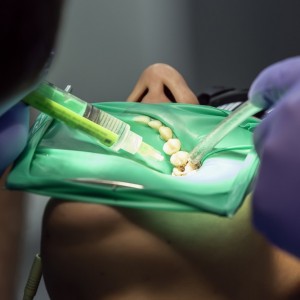
Patient perception research has failed to focus on burgeoning technology within the dental field.
Editorials 17 April 2026
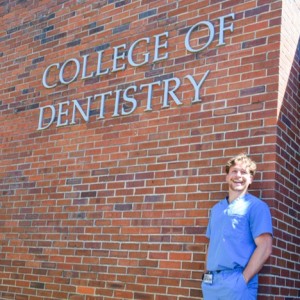
Some admissions experiences can make an applicant feel like a statistic being analyzed or, as first-year Florida dental student Nate Fordham put it, like a “mushroom”: kept in the dark and fed...
Products 17 April 2026
BioHorizons’ Tapered Pro Conical Named to 16th Annual Readers’ Choice Top 25 Implant Products
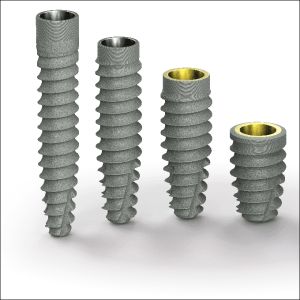
Streamline your workflow with BioHorizons. Tapered Pro Conical offers a single, color-coded prosthetic platform for all full-arch cases.
News 17 April 2026

Following AI Voice Perio, voice-driven charting expands to restorative exams, enabling single-provider clinical documentation in Denticon.
Cosmetic & Reconstructive Dentistry recently announced the creation of a new scholarship program supporting graduating seniors from Fairfield’s public high schools who plan to pursue studies in...



Copyright © 2026 - All Rights Reserved
ISSN 2767-1178