


Survival rate of implant retreatments: data from a recent revision
Lara Figini
INTRODUCTION
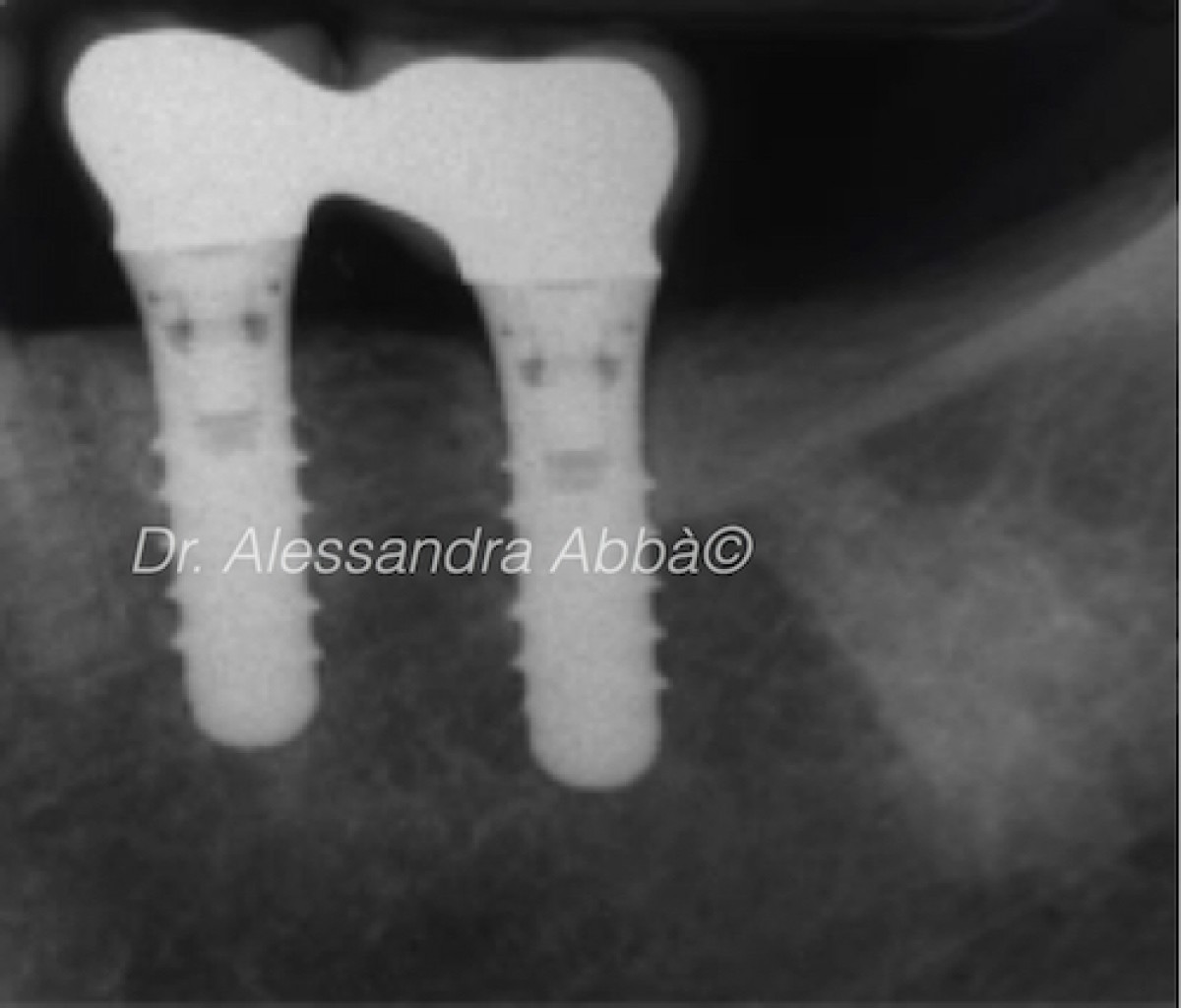
Early implant failures typically occur before or at the abutment connection and are generally associated with minor peri-implant bone loss. Late implant failures, in contrast, occur after occlusal loading and are often associated with extensive peri-implant bone loss. Available evidence suggests that early failure rates (0.76% to 7.47%) are somewhat lower than late (5 to 10 years) implant failure rates (2.1% to 11.3%). But what is the survival rate of implants placed in sites where implant failure has already occurred and what are the factors that could influence the subsequent outcomes of reprocessing?
The purpose of this systematic review was to examine the survival rate of implants placed at sites which had an implant failure and to investigate factors that might affect outcomes after retreatment.
Materials and method
In a recent systematic review, published on the Journal of Prosthetic Dentistry, the authors conducted a search of electronic databases limited to English language articles using a predetermined search strategy. A hand search of selected journals was also performed. Of the retrieved 668 publications, 8 retrospective clinical studies met the inclusion criteria, providing the survival outcome for 673 implants in 557 patients after retreatment. Implant- and patient-related characteristics related to implant failures were assessed.
Results
The weighted mean survival rate for implants after retreatment was 86.3%, with follow-up ranging from less than 1 year to over 5 years. The survival rates of smooth-surfaced and rough-surfaced implants were compared in 217 retreated implants, revealing a significantly higher survival rate for rough-surfaced implants than for smooth-surfaced implants, 90% versus 68.7%. Insufficient data were available to evaluate the effect of patient- or treatment-related characteristics on the survival of implants after retreatment.
Conclusions
From the data of this study, which must be confirmed in other similar studies, it can be concluded that the survival rate of the re-inserted implants is lower than that generally reported for the initial positioning of the implant. Higher survival rates have been reported with rough surface implants than with smooth surface implants in re-insertion cases.
Clinical implications
The re-insertion of implants in sites where implant failure has already occurred has a relatively high survival rate of 86.3% with follow-up ranging from less than 1 year to over 5 years. The risk factors associated with initial implant failures, such as implant architecture, anatomical site, infection and occlusal overload, must be well re-evaluated and modified at the time of the new implant insertion.
For additional information:
Survival of dental implants at sites after implant failure: A systematic review.
 Read more
Restorative dentistry 17 April 2026
Patient Perceptions of New Robotic Technologies in Clinical Restorative Dentistry
Patient perception research has failed to focus on burgeoning technology within the dental field.
Editorials 17 April 2026
Some admissions experiences can make an applicant feel like a statistic being analyzed or, as first-year Florida dental student Nate Fordham put it, like a “mushroom”: kept in the dark and fed...
Products 17 April 2026
BioHorizons’ Tapered Pro Conical Named to 16th Annual Readers’ Choice Top 25 Implant Products
Streamline your workflow with BioHorizons. Tapered Pro Conical offers a single, color-coded prosthetic platform for all full-arch cases.
News 17 April 2026

Following AI Voice Perio, voice-driven charting expands to restorative exams, enabling single-provider clinical documentation in Denticon.
Cosmetic & Reconstructive Dentistry recently announced the creation of a new scholarship program supporting graduating seniors from Fairfield’s public high schools who plan to pursue studies in...



Copyright © 2026 - All Rights Reserved
ISSN 2767-1178