


Is Prosthodontic practice safe during the COVID-19 pandemic?
Allegra Comba
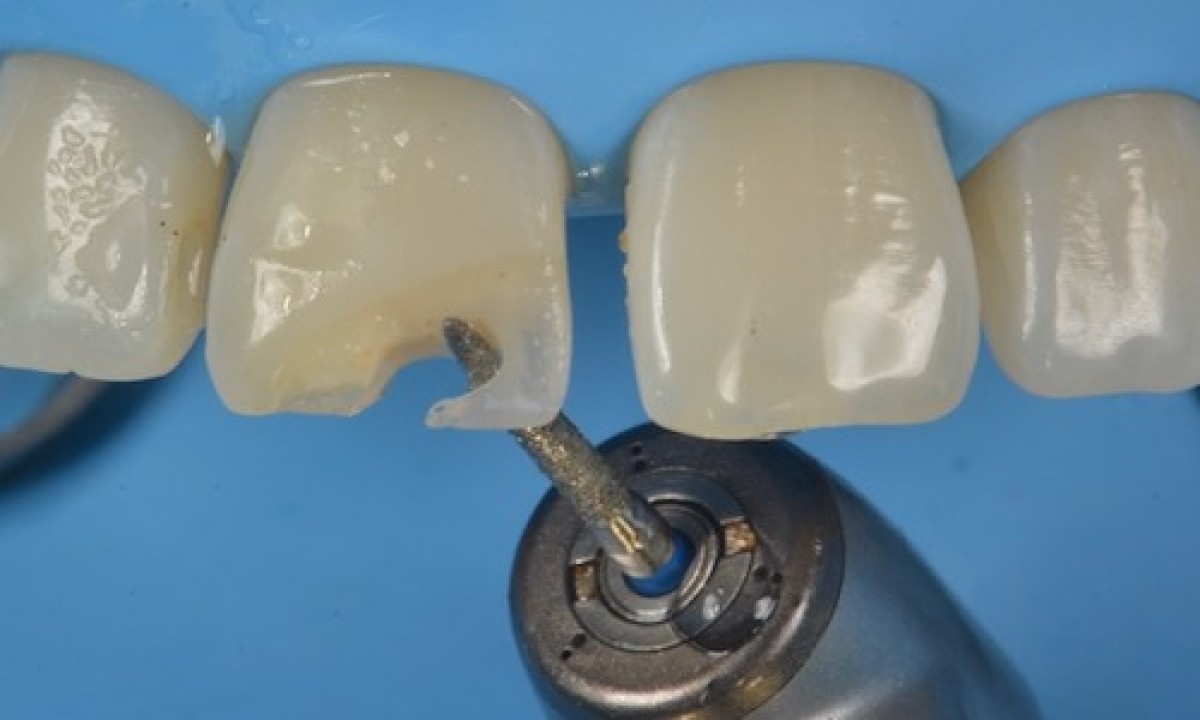
Prosthetic dentistry, and as a consequence clinicians working in that field, has a high risk for exposure to coronavirus through aerosols and possibly contaminated surfaces. In addition, the indirect contact with dental laboratories and dental technicians through impressions, dental stone casts, and fixed and removable prosthetic appliances could increase the risk of contracting the COVID-19. For that reason, preventive measures should be implemented, including procrastinating not necessary and not urgent therapy, rescheduling patients with suspected disease, disinfecting surfaces and prosthodontic materials with specific products, and implementing protective equipment.
In recent short communication by Dr. André Ulisses Dantas BATISTA from the Universidade Federal da Paraíba in Brasil a review of the literature was conducted by the author to identify preventive measures for COVID-19 to safeguard dental professionals providing prosthodontic dental care.
Materials and Methods
The Brazilian research group conducted electronic searches in PubMed, Scopus, and Cochrane databases using the following descriptors and/or words: “COVID-19,” “SARS-CoV-2,” “Dental practice,” “Prosthodontics,” and “Dental infection control” to highlight protocols that may be useful in preventing COVID-19 spread in prosthodontic dental care.
Results
The principal investigator from Brazil and his team found out that during prosthetic procedures, the clinician is subjected to direct and indirect contact with possibly contaminated saliva. Indeed, the main targets of SARS-CoV-2 are cells expressing the angiotensin-converting enzyme 2 (ACE 2), which is a crucial receptor for virus entry into the cell, and salivary gland epithelial cells also express ACE2. In that context, it is fundamental to conduct pre-screening procedures with telephonic evaluations to minimize the risk of a patient with SARS-CoV-2 visiting the dental office.
In addition, the authors of the communication suggested the patients to rinse their oral cavity with 1.5% hydrogen peroxide or 0.2% povidone before each consultation, the use of dental handpieces with anti-retraction valves and rubber dam isolation, together with the presence of an assistant to avoid spread of saliva.
To protect themselves, the dental professional exposed to aerosols generated in dental care should use N95-type masks, waterproof disposable gowns, and face-shields, in addition to the PPE already used by these professionals.
Furthermore, as stated by the authors, large quantities of aerosols are produced during professional prophylaxis, and the use of rotary instruments for dental preparations, or the finishing and polishing procedures of saliva-contaminated prostheses. As aerosols are deposited on inanimate surfaces in the office, the use of biocidal agents on these surfaces is necessary.
Finally, the Brazilian authors, affirmed that due to future limitations on prosthetic treatment access, several people may have a decreased quality of life and masticatory capacity in the near future.
Conclusions
Dr. Batista and his group, after revising the recent literature concerning COVID-19 prevention in prosthodontics, concluded that as prosthodontists are at high risk for exposure to the new coronavirus, preventive measures should be implemented by these professionals.
For further informations: Prosthodontic practice during the COVID-19 pandemic: prevention and implications
 Read more
Products 13 October 2026


New Resources Help Dental Exhibitors Evaluate Their Investment and Explore the Personify ShowFlow™ Trade Show Success System
News 13 October 2026

New patient apps extend The Aspen Group’s mission to remove barriers to care, giving patients greater visibility, convenience, and control from booking through treatment
Editorials 13 October 2026

The forerunner of what’s now Texas A&M College of Dentistry opened 120 years ago in Dallas with the mission of educating dentists to provide quality care to patients in North Texas
Oral pathology 13 October 2026
This peer-reviewed oral pathology article summarizes clinical evidence from Oral oncology (2026). It focuses on findings that may help dental professionals evaluate treatment decisions, patient...


Copyright © 2026 - All Rights Reserved
ISSN 2767-1178