


Regeneration of intrabony defects using equine-derived biomaterials: A retrospective study
Author: Giacomo Tarquini

Periodontitis is an inflammatory disease caused by the formation of a bacterial biofilm that, especially in predisposed subjects, may lead to periodontal ligament destruction and alveolar bone resorption. The aim of this study was to study the effectiveness of the treatment of intrabony defects due to periodontitis using bone granules and equine-derived pericardium membranes.
Materials and methods
Clinical records of 22 patients who underwent regenerative therapy for intrabony defects following periodontitis at the author’s dental centers were retrospectively selected. Patients included in this retrospective study a) had a single 1-, 2- or 3-walls intrabony defect; b) had a probing pocket depth (PPD) ≥5 mm after initial therapy; c) had good oral hygiene (mean plaque index (PI) ≤1); d) were treated using an equine bone graft and equine pericardium membrane; e) were followed up for ≥12 months. According to the individual anatomy, access to the defect was achieved using either the modified papilla preservation technique (MPPT) or the simplified papilla preservation flap (SPPF) procedure. Defects were grafted using an equine bone graft, consisting of a 1:1 mixture of cortical–cancellous granules sized 0.5–1 mm (Osteoxenon, Bioteck, Arcugnano, Italy) after hydrating them using sterile saline. A 25 x 25 x 0.2 mm pericardium membrane (Heart, Bioteck, Arcugnano, Italy) was shaped, hydrated, and positioned to protect the graft. Data extracted from clinical records included the patients’ demographics (age and sex) and their smoking habits (non-smoker or smoked <10 cigarettes/day). Clinical parameters of interest were the Probing Pocket Depth (PPD), the clinical attachment level (CAL), the Plaque Index (PI), and the Sulcus Bleeding Index (SBI) recorded at baseline (before surgery) and at the 12, 24, and 60-months check-up appointments. Complications and adverse effects were also assessed.
Results
Records were analyzed for 22 non-consecutive patients (12 men and 10 women) with a mean age of 59.0±7.0 years (range from 47 to 77 years). All patients completed the healing period following regenerative surgery with no complications or adverse events. The mean follow-up period was 60.1±1.13 months. PI, SBI, PPD, and CAL values were significantly lower at all follow-up visits than at baseline (p <0.05 in all cases). At the final follow-up, the CAL gain was 4.8 mm, corresponding to 58% improvement compared to the pre-operative condition, and the PPD was 2.46±0.50 mm. Starting from the 12-month check-up, the mean CAL remained constant. Additionally, starting from the 24-month check-up, the mean PPD did not show significative differences at the subsequent follow-up, indicating that bone resorption was absent or limited from that time onward.
No correlations were observed at any time point between the measured parameters and the number of walls of the periodontal defect. There were no significant differences between smokers (≤10 cigarettes/day) and non-smokers patients at any time point, except for a difference in the SBI index at the 12-month follow-up visit.
Conclusions
Equine bone granules plus equine pericardium membranes allowed safe and successful regenerative therapy of intrabony defects caused by periodontitis.
Clinical significance
The results presented indicate that bone granules and equine-derived pericardium membranes is a safe and effective instrument for the clinician in the treatment of intrabony defects on a medium-term basis
 Related articles
Periodontology 26 February 2026

A new classification of periodontal diseases aimed to identify periodontal disease based on a multidimensional staging and grading system has been recently proposed.
Endodontics 23 December 2025
Serious consequences of endodontics phlegmons and abscesses of the neck: a retrospective study

In the last years there has been an alarming increase in number of patients admitted to the emergency room (E.R.) with the diagnosis of neck abscesses and phlegmons of odontogenic origin requiring...
Pediatric dentistry 06 January 2025
Dental emergencies in a university pediatric dentistry clinic: a retrospective study

A significant number of children visit a dentist for the first time due to emergency situations.
Orthodontics 01 June 2022
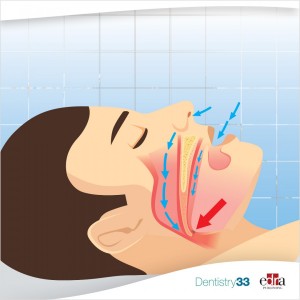
Authors: Linda Sangalli, Fernanda Yanez Regonesi, Diego Fernandez Vial, Isabel Moreno Hay
Mandibular advancement device (MAD) is recognized as a treatment option for the management of obstructive sleep apnea (OSA) in mild to moderate cases and/or patients unable to tolerate PAP therapy....
Read more
Europe 27 September 2026 - 30 November -0001
Digital Dentistry Society Global Congress 2026: Event Preview and Professional Highlights

The Digital Dentistry Society Global Congress 2026 will take place from October 22, 2026 to October 24, 2026 in TBD, Rotating Europe, offering dental professionals a focused environment for...
Editorials 27 September 2026
Dentistry33 survey highlights replacement care, deep caries and evolving restorative workflows
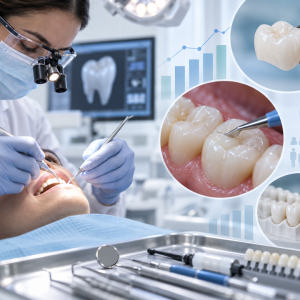
Reader survey finds direct composites remain dominant, secondary caries is the leading reason for restoration replacement, and clinicians want more training in pulp preservation
Reader survey finds direct composites remain dominant, secondary caries is the leading reason for restoration replacement, and clinicians want more training in pulp preservation
Edra Professional Books 26 September 2026
Manual of oral surgery: A Practical Reference for Dental Professionals
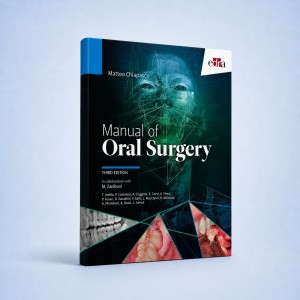
Manual of oral surgery is an Edra professional dentistry reference focused on clinical practice, education and treatment planning.
Products 25 September 2026
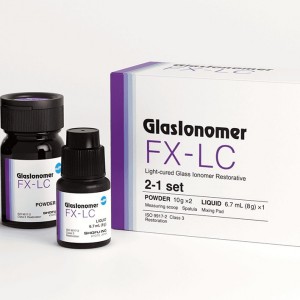
Shofu Dental’s line of dental restorative materials now includes FX-LC, a next-generation, light-cure, resin-reinforced glass ionomer formulated to deliver high strength, efficient 4
News 25 September 2026

The scholarships are part of an ongoing workforce solutions strategy to help address the need for skilled dental hygienists



Copyright © 2026 - All Rights Reserved
ISSN 2767-1178