


Co-payments, inequality in gingival bleeding and dental visits

Objectives
Japan's universal health insurance covers a wide range of dental treatments, and the co-payment rates differ by age. Researchers investigated whether the inequality in gingival bleeding and dental visits was smaller amongst those with lower co-payment rates.
Methods
This cross-sectional study used data from the 2019 Japan Gerontological Evaluation Study. The participants were functionally independent adults aged 65 years or older.
The dependent variables were current gingival bleeding as a symptom of periodontal diseases and dental nonattendance for treatment in the past year. The independent variables were ridit scores of equivalent income and educational status.
For covariates, the team used age, sex and the number of remaining teeth. To evaluate the inequalities, they used the slope index of inequality (SII) and the relative index of inequality (RII). Researchers also conducted stratified analyses by co-payment rates (30%, 20%, and 10%) to clarify the difference in inequalities by co-payment rate.
Results
A total of 15,389 participants were included in the analysis; their mean age was 71.8 (SD = 4.1) and 51.8% were women. There were significant absolute and relative inequalities in gingival bleeding and dental visits by equivalent income and education.
With regards to educational status, inequalities were lower with a decrease in the co-payment rate. In particular, relative inequality by education in gingival bleeding was the largest amongst the 30% co-payment group (RII, 1.918; 95% confidence interval [CI], 1.386 to 2.656).
For gingival bleeding, the absolute and relative inequality by equivalent income were not significant amongst the 10% co-payment group (SII, −0.003; 95% CI, −0.003 to 0.028; RII, 1.006; 95% CI = 0.676 to 1.498).
Conclusions
A low co-payment rate was associated with smaller inequalities in gingival bleeding and dental visits by equivalent income and educational status.
Noriko Nakazawa, Taro Kusama, Kenji Takeuchi, Sakura Kiuchi, Tatsuo Yamamoto, Katsunori Kondo, Ken Osaka, Jun Aida, "Co-Payments and Inequality in Gingival Bleeding and Dental Visits," International Dental Journal, Volume 73, Issue 5, 2023, Pages 628-635, ISSN 0020-6539, https://doi.org/10.1016/j.identj.2022.11.009.
 Related articles
Pediatric dentistry 09 October 2026
This peer-reviewed pediatric dentistry article summarizes clinical evidence from BMC oral health (2026). It focuses on findings that may help dental professionals evaluate treatment decisions,...
Periodontology 08 October 2026
This peer-reviewed periodontology article summarizes clinical evidence from BMC oral health (2026). It focuses on findings that may help dental professionals evaluate treatment decisions, patient...
Oral pathology 02 October 2026
This peer-reviewed oral pathology article summarizes clinical evidence from BMC oral health (2024). It focuses on findings that may help dental professionals evaluate treatment decisions, patient...
Periodontology 24 September 2026
This peer-reviewed periodontology article summarizes clinical evidence from BMC oral health (2026). It focuses on findings that may help dental professionals evaluate treatment decisions, patient...
Oral pathology 17 September 2026
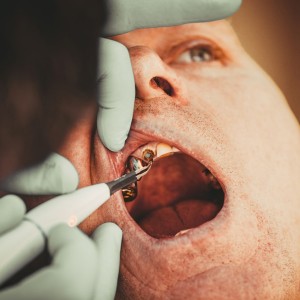
This peer-reviewed oral pathology article summarizes clinical evidence from BMC oral health (2024). It focuses on findings that may help dental professionals evaluate treatment decisions, patient...
Read more
Products 14 October 2026
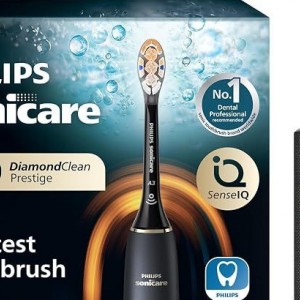
Royal Philips (NYSE: PHG, AEX: PHIA) announced that the Philips Sonicare Next-Generation DiamondClean 9900 Prestige, its most advanced and intelligent toothbrush to date, is now av

Key transaction by Heartland Dental and its supported practices expands opportunities for supported doctors, teams, and practices while strengthening Heartland Dental’s supported f
News 14 October 2026
Henry Schein Cares Celebrates 25 Years of Corporate Citizenship

Henry Schein Cares, Henry Schein, Inc.’s global corporate citizenship program, is celebrating a quarter century of bringing together Team Schein Members, customers, supplier partne
Editorials 14 October 2026
Scholarship at the CU Anschutz School of Dental Medicine reflects the collective contributions of our faculty, staff, residents and students.
Oral Hygiene & Prevention 14 October 2026
Propolis-containing formulations in caries prevention - a systematic review and meta-analysis.
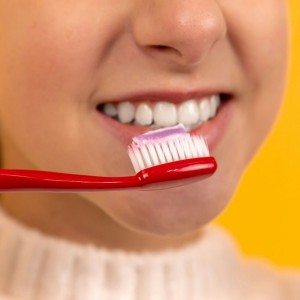
This peer-reviewed oral hygiene & prevention article summarizes clinical evidence from Clinical oral investigations (2026). It focuses on findings that may help dental professionals evaluate...



Copyright © 2026 - All Rights Reserved
ISSN 2767-1178