


Direct pulp capping: evaluation of success at 4 years
Lara Figini
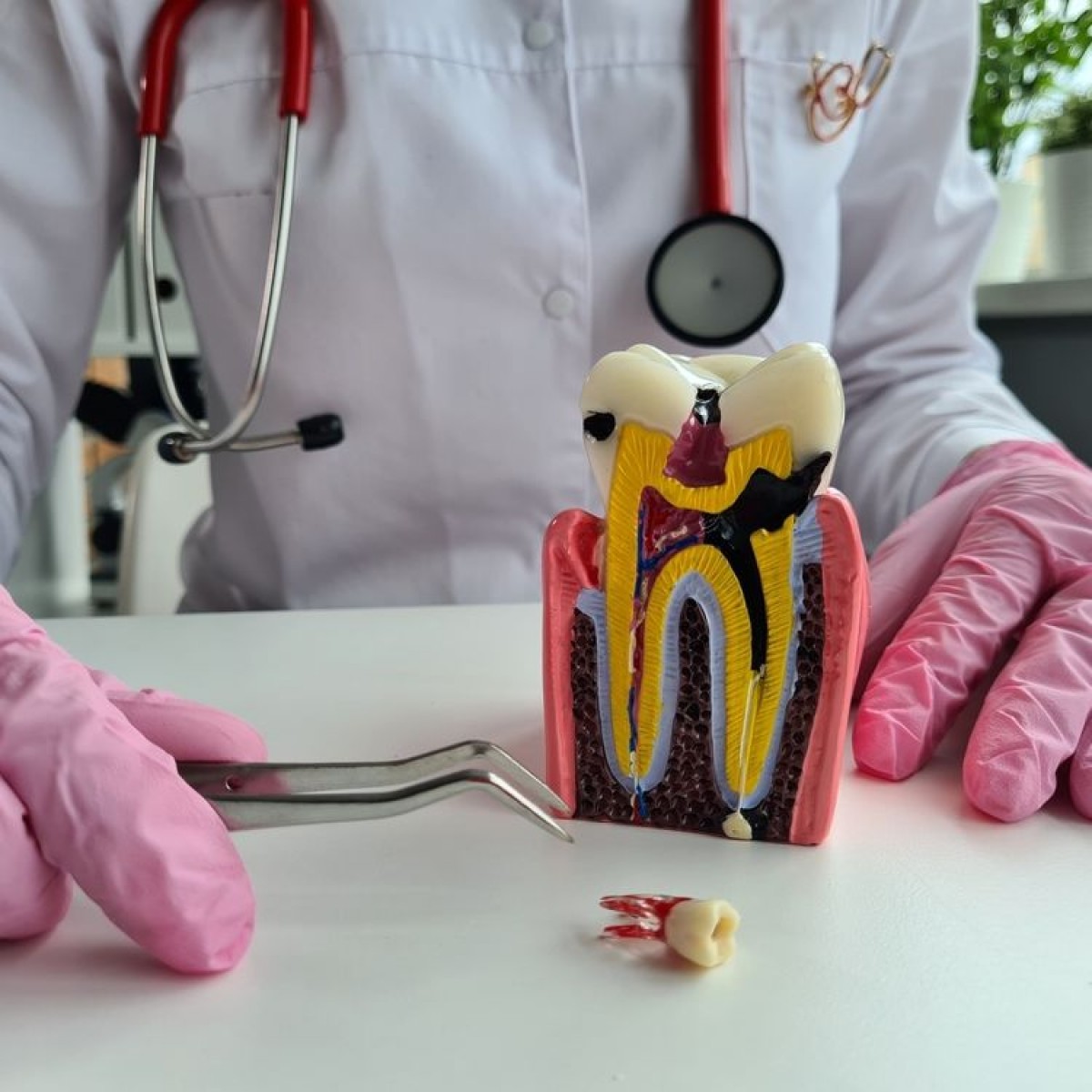
Direct pulp capping is a treatment for pulpal carious exposures that is taught regularly in dental schools but is not applied as assiduously by dentists because, according to several past studies, it shows low long-term success rates. Fortunately, more recent studies have reported higher success rates, probably due to new materials introduced on the market, although these clinical studies are almost short-term with maximum follow-up of 1 year. An important factor to take into consideration during direct pulp capping treatment is the correct disinfection of the site to be treated before the obturation procedure.
Materials and methods
In a randomized study, published in the Journal of Endodontics, the authors evaluated pulp survival after brushing and capping in non-tender adult posterior teeth with pulp exposure due to caries. The treatment involved the complete removal of the cavity, the direct capping of the pulp with mineral trioxide aggregate and the immediate restoration with composite resin. Before pulp capping, the cavities were washed randomly (block randomization, n: 48) with physiological saline solution or sodium hypochlorite solution (2.5% NaOCl). The outcome of the treatment was evaluated clinically (cold test) and radiographically after at least 1 year and again after at least 3 years. Painful failures were differentiated from non-painful failures. Pulp survival was estimated using the Kaplan Meier method including 95% confidence intervals (CIs) up to 1500 days.
Results
Of the 96 patients originally enrolled, 73 individuals were able to be followed continuously. Clinical observations have indicated a beneficial and prolonged effect of washing the pulp with a 2.5% NaOCl solution. Compared to control treatment with physiological saline regarding estimated pulp survival 1500 days postoperatively, with 7% (95% CI, 1%-40%) success in the saline group compared to 55% (95% %CI, 30%–100%) in the NaOCl group. Elevated MMP-9/total protein values in pulp fluid collected from the exposed site indicated early and painful treatment failures, but were not associated with failures occurring more than 250 days postoperatively.
Conclusions
From the data of this study, which must be confirmed in other similar studies, it can be concluded that direct pulp capping in adult subjects has a low success rate at 4 years.
Clinical implications
Although the 4-year success of direct capping of exposed pulp due to caries in adult teeth is low, disinfecting the cavity with a 2.5% NaOCl solution can provide a positive effect on pulp survival.
Nidambur Vasudev Ballal, Henry. F. Duncan, Daniel. B. Wiedemeier, Namith Rai, Prateek Jalan, Vinutha Bhat, Vijetha Shenoy Belle and Matthias Zehnder Journal of Endodontics, Volume 50, Number 1, January 2024
 Related articles
Endodontics 20 December 2022
Direct dental pulp capping using calcium hydroxide: a 35-year follow-up

The authors evaluated the long-term outcome of the direct pulp capping technique in mature teeth with pulp exposure due to advanced caries with diagnosis of reversible pulpitis.
Pediatric dentistry 28 October 2022

The clinical and radiographic effectiveness of 38% silver diamine fluoride with and without potassium iodide was tested and compared with resin-modified...

Direct pulp capping is a procedure that has been used for many years, and involves placing a special material directly on the exposed part of the dental pulp with the aim of preserving its vitality...
Endodontics 12 October 2026
This peer-reviewed endodontics article summarizes clinical evidence from Journal of dentistry (2026). It focuses on findings that may help dental professionals evaluate treatment decisions, patient...
Endodontics 05 October 2026
This peer-reviewed endodontics article summarizes clinical evidence from Journal of dentistry (2026). It focuses on findings that may help dental professionals evaluate treatment decisions, patient...
Read more
Solutions is an Edra professional dentistry reference focused on clinical practice, education and treatment planning.
Products 16 October 2026
Karen Davis on Philips Sonicare DiamondClean 9900 Prestige & Smarter Brushing

News 16 October 2026
Align Technology to Report Q3 2026 Financial Results October 28
(Nasdaq: ALGN), a leading global medical device company that designs, manufactures, and sells the Invisalign® System of clear aligners, iTero™ intraoral scanners, and exocad™ CAD/C
News 16 October 2026

Fewer people on intake, faster turnaround, and no lost cases: Relu’s new automation captures and centralizes every scan and Rx from every source within a minute of arrival
Editorials 16 October 2026
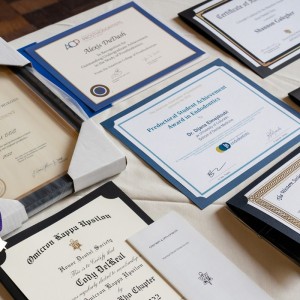
Achievement and service take center stage as the University of Colorado Anschutz School of Dental Medicine honors the Doctor of Dental Surgery (DDS) Class of 2026.



Copyright © 2026 - All Rights Reserved
ISSN 2767-1178