


User experience of intraoral scanners, a transnational study
Introduction
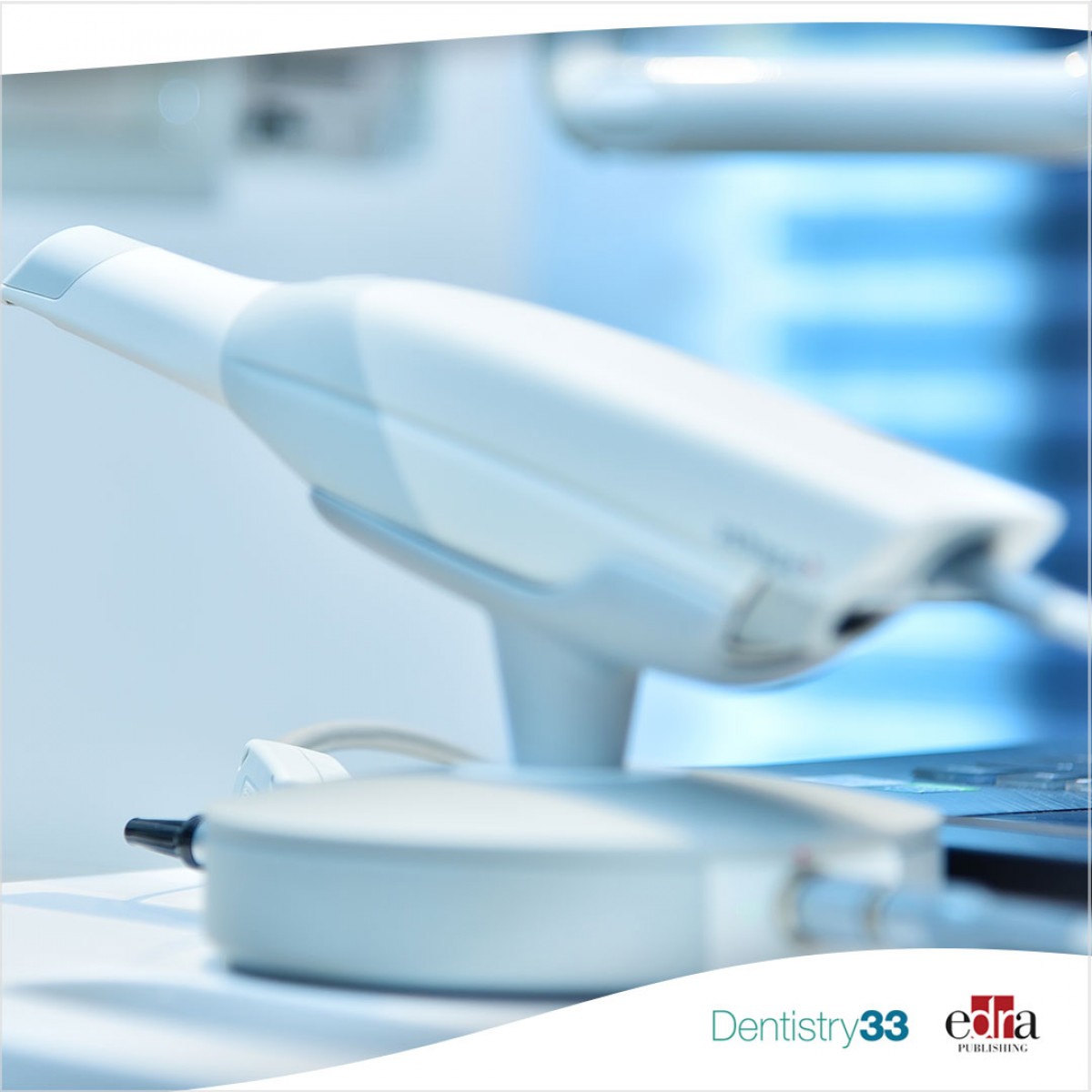
Intraoral scanners (IOS) are continuing to gain popularity in clinical dentistry, replacing the traditional impression-taking and related technology. Despite their increasing importance, there are few data on the utility and usage of IOS amongst dentists.
This study investigates the user experience of IOS technology as well as the perceived quality of a variety of IOS used by dental clinicians worldwide.
Methods
An online survey of 1,072 dentists was conducted to elicit data on the number of individual IOS used, their accessibility, the maintenance fees, and the programs used. The first part of the questionnaire included demographic data and related questions, while the second part focused on the specific IOS used by the respondents and the satisfaction with their scanners.
Results
Researchers surveyed 1,072 respondents from 109 different countries. More than three-quarters of the survey cohort (78.8%) use IOS in their daily work, while 21.17% do not. The average number of scanners owned by the respondents was 1.5 (±0.9), and in total, the cohort used 36 different types of IOS.
More than one-third (38.6%) of the respondents used computer-aided design (CAD) software as well. As for the frequency of IOS usage, 51.5% used the system on a daily basis, 28.2% did so 2 to 3 times a week, and 10.0% did so once a week. Overall, the top three IOS used by the cohort were Medit i700 followed by wireless Medit i700 and Dentsply Sirona Primescan.
Conclusions
This study describes, for the first time, the IOS user experience in an international cohort. More than 75% of the respondents used IOS on a daily basis in their practice, while Medit and Dentsply Sirona brands were the most popular scanners amongst the group. It appears that digital impression-taking technology is universal, and digital workflow in dentistry will continue to grow.
Ahmad Al-Hassiny, Dániel Végh, Dorottya Bányai, Ádám Végh, Zoltán Géczi, Judit Borbély, Péter Hermann, Tamás Hegedüs. "User Experience of Intraoral Scanners in Dentistry: Transnational Questionnaire Study." International Dental Journal. 5 May 2023. ISSN 0020-6539. https://doi.org/10.1016/j.identj.2023.04.002.
 Related articles
Editorials 27 September 2026
Dentistry33 survey highlights replacement care, deep caries and evolving restorative workflows
Reader survey finds direct composites remain dominant, secondary caries is the leading reason for restoration replacement, and clinicians want more training in pulp preservation
Reader survey finds direct composites remain dominant, secondary caries is the leading reason for restoration replacement, and clinicians want more training in pulp preservation
Editorials 20 September 2026
Dentistry33 survey shows small practices balancing growth, costs and technology modernization
Reader survey finds solo and small practices remain prominent while staffing, rising costs and digital adoption shape business priorities
Reader survey finds solo and small practices remain prominent while staffing, rising costs and digital adoption shape business priorities
Digital Dentistry 20 April 2026
To report a fully digital and guided immediate-load All-on-4 protocol conducted in Brazil on a 59-year-old male patient with an edentulous maxilla and a history of oropharyngeal cancer surgery,...
Digital Dentistry 03 April 2026
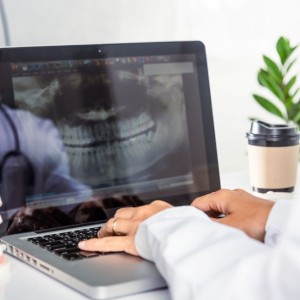
The purpose of this review is to provide the readers with current information and state-of-the-art of digital scanning systems within the orthodontics.
Digital Dentistry 16 February 2026
An original procedure for the ovoid pontic technique in ortho-restorative cases

In the multidisciplinary treatments, especially in case of missing teeth in aesthetic area, the compliance of patient during retention time post orthodontic therapy is evidently very high, even among...
Read more
Europe 18 October 2026 - 30 November -0001
IDS Cologne 2027 in Cologne: Event Preview and Professional Highlights

The IDS Cologne 2027 will take place from March 16, 2027 to March 20, 2027 in Cologne, Germany, offering dental professionals a focused environment for continuing education, clinical updates and...
Solutions is an Edra professional dentistry reference focused on clinical practice, education and treatment planning.
Products 16 October 2026
Karen Davis on Philips Sonicare DiamondClean 9900 Prestige & Smarter Brushing

News 16 October 2026
Align Technology to Report Q3 2026 Financial Results October 28

(Nasdaq: ALGN), a leading global medical device company that designs, manufactures, and sells the Invisalign® System of clear aligners, iTero™ intraoral scanners, and exocad™ CAD/C
News 16 October 2026
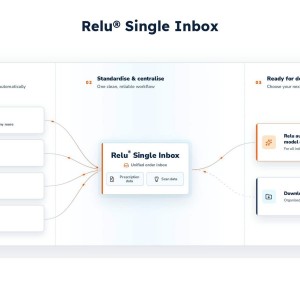
Fewer people on intake, faster turnaround, and no lost cases: Relu’s new automation captures and centralizes every scan and Rx from every source within a minute of arrival



Copyright © 2026 - All Rights Reserved
ISSN 2767-1178