


Color stability: CAD/CAM versus traditional resin-based composite
By Lorenzo Breschi and Annamaria Forte

Introduction
Through the progress of computer aided technology, many advances have been made in dentistry: new materials have been developed for CAD/CAM restorations, such as glass ceramics, zirconia, and composites, allowing clinicians the choice of different mechanical and optical properties. Although the use of direct resin-based composite (RBC) restorations is broad and can provide reliable and esthetic results, the higher mechanical properties and color stability of CAD/CAM restorations, due to the higher degree of conversion that can be obtained with extra-oral curing, have expanded their use in clinical practice.
CAD/CAM composite blocks (CCB) offer higher quality compared to RBCs used in a conventional manual procedure in both direct and indirect restorations. Indeed, the temperature and/or high-pressure polymerization employed for CAD/CAM materials maximize polymer cross-linking and, therefore, increase their mechanical properties.
One of the limits of RBCs is the propensity to color change in the long term. Color instability can be related to intrinsic (i.e., resin matrix, fillers, polymerization initiators) or extrinsic factors (i.e., absorption of pigments contained in food or drinks). This characteristic is of relevant importance because of the high increasing request for aesthetic dental restorations.
For this reason, a systematic review of the current literature was recently conducted to investigate the color stability of CCBs when submitted to artificial staining.
Materials and methods
A systematic search was performed on different databases (Embase, Medline, Scopus, Web of Science). Of the 378 initially retrieved articles, 19 were included in this review. Seventeen different CCBs submitted to different artificial staining by liquid protocols, including coffee, red wine, tea, and cola were investigated. CCBs exceeded clinical acceptability thresholds for color shift in 18 out of 19 studies, with a significantly higher color stability than conventional hybrid resin-based composites (RBCs), and a significantly lower color stability than ceramic materials. When compared with other materials, CCBs immersed in coffee solutions showed a significantly higher color change than lithium disilicate, zirconia-reinforced lithium silicate hybrid ceramic, and felspathic ceramic. CCBs immersed in red wine showed a significantly higher color change than zirconia-reinforced lithium silicate, hybrid ceramic, and felspathic ceramic. Conversely, CCBs showed higher color stability when compared with hybrid resin composites for direct restorations.
The identified differences in CCBs in color stability can be attributed to the material’s composition, but also to the heterogeneity of staining procedures.
Conclusions
Based on the results of this systematic review, the results showed that resin-based blocks for CAD/CAM procedures possess higher color stability than direct or indirect (laboratory) RBCs. However, CCBs showed lower color stability than ceramic materials. Materials’ compositions, the type of staining media and the finishing/polishing procedures may influence the color stability of CCBs.
Paolone G, Mandurino M, De Palma F, Mazzitelli C, Scotti N, Breschi L, Gherlone E, Cantatore G, Vichi A. "Color Stability of Polymer-Based Composite CAD/CAM Blocks: A Systematic Review." Polymers (Basel). 2023 Jan 16;15(2):464. doi: 10.3390/polym15020464.
 Tag
Tag
Related articles
Products 01 September 2025
Dentsply Sirona Releases Innovative CAD/CAM Zirconia Block and Abutment Resin Cement
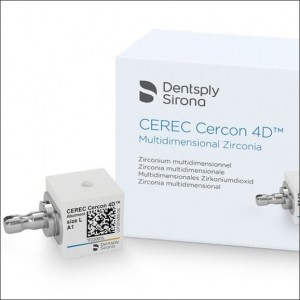
The CEREC Cercon 4D Multidimensional Zirconia Abutment Block combines high strength with aesthetics for both hybrid abutments and hybrid abutment crowns.
Restorative dentistry 01 July 2025
Advances in CAD/CAM Technology for Chairside Restorative Dentistry: A Workflow Analysis
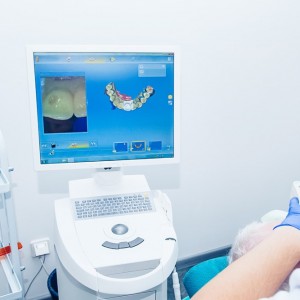
Chairside CAD/CAM technology has revolutionized restorative dentistry, offering streamlined workflows and improved patient outcomes.
News 03 February 2025

Directa USA is excited to introduce Ceramir CAD/CAM BLOCKS, a revolutionary bioceramic material that marks a groundbreaking advancement in prosthetic materials and embodies the spirit of...

Advances in dental materials as well as in computer technology have made CAD/CAM-fabricated restorations not just possible in dentistry but plentiful.
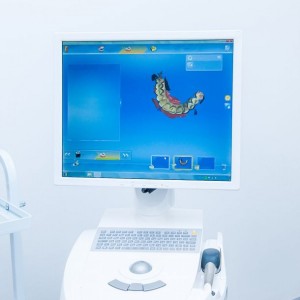
Ceramir CAD/CAM BLOCKS are a breakthrough in the CAD/CAM materials market. Manufactured by using a special advanced patented laser sintering technology, the new Ceramir CAD/CAM BLOCKS have a unique...
Read more
Products 21 September 2026
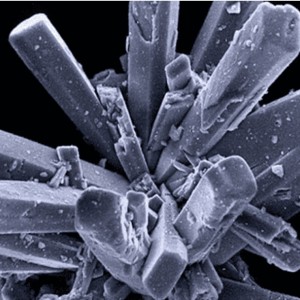
The OsteoGen™ Composite graft line uses the same biomimetic, bioactive crystal technology to harness the body’s ability to heal itself.
News 21 September 2026

The Aspen Group (TAG), a leading healthcare support organization headquartered in Chicago’s West Loop, today announced two key additions to its marketing leadership team: David Chr
News 21 September 2026

BlancOne® Click+ introduces a simple 10-minute professional teeth-whitening experience designed to integrate into existing hygiene appointments, helping dental practices create new
Editorials 21 September 2026

The new school year is in full swing at Texas A&M College of Dentistry, and that includes a host of faculty promotions and new hires and important happenings.
Endodontics 21 September 2026
This peer-reviewed endodontics article summarizes clinical evidence from Journal of dentistry (2026). It focuses on findings that may help dental professionals evaluate treatment decisions, patient...



Copyright © 2026 - All Rights Reserved
ISSN 2767-1178